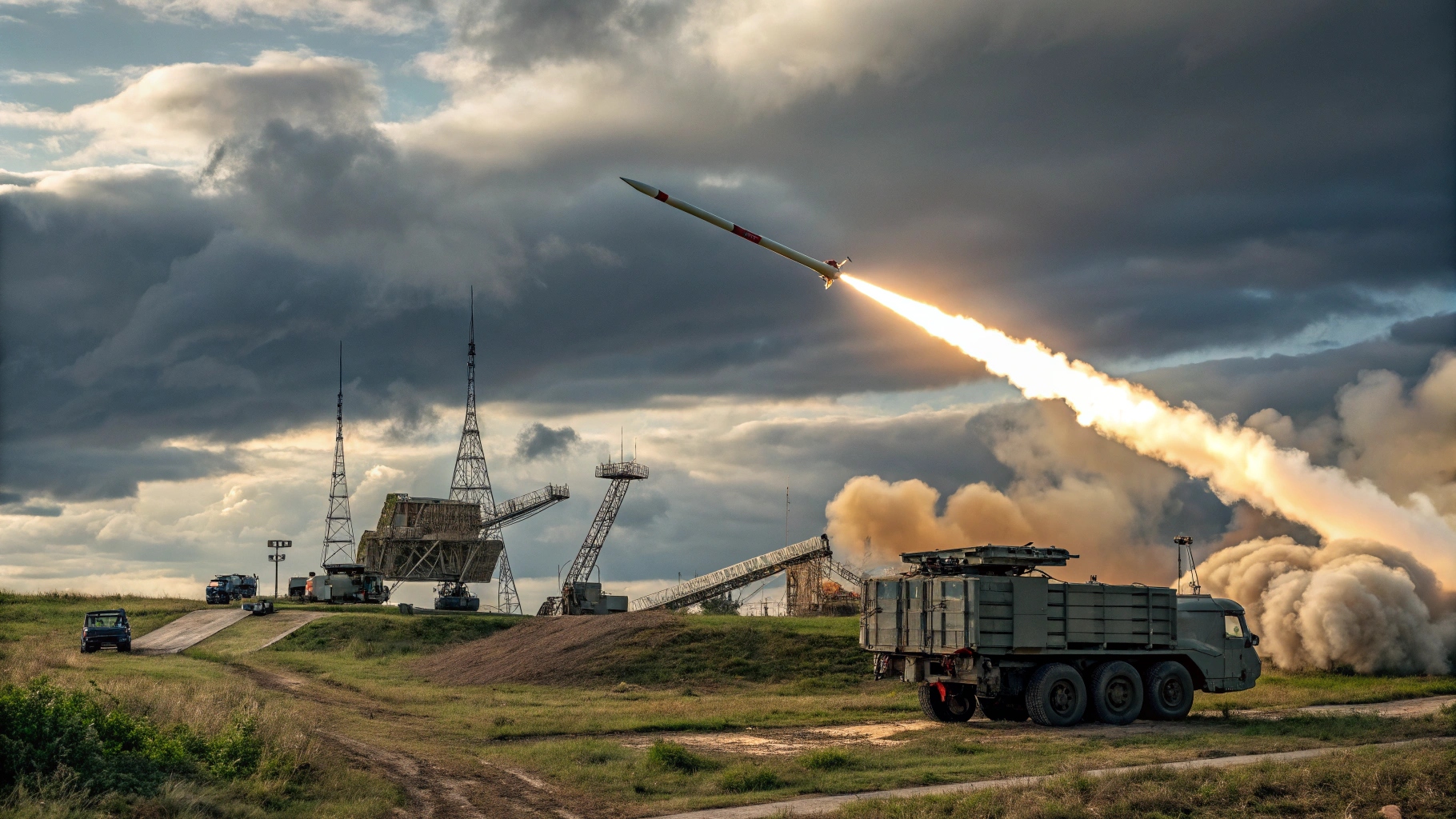
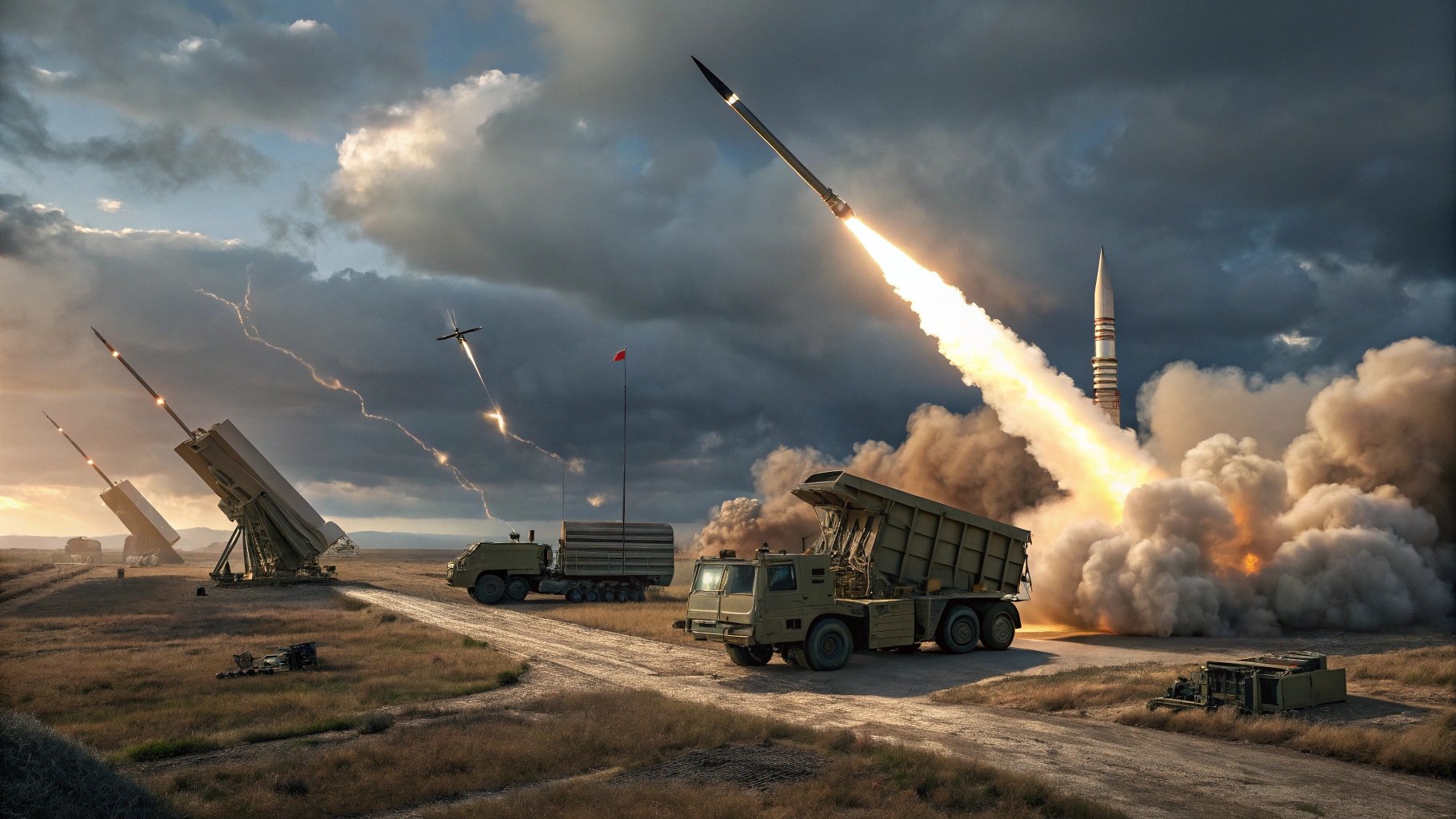
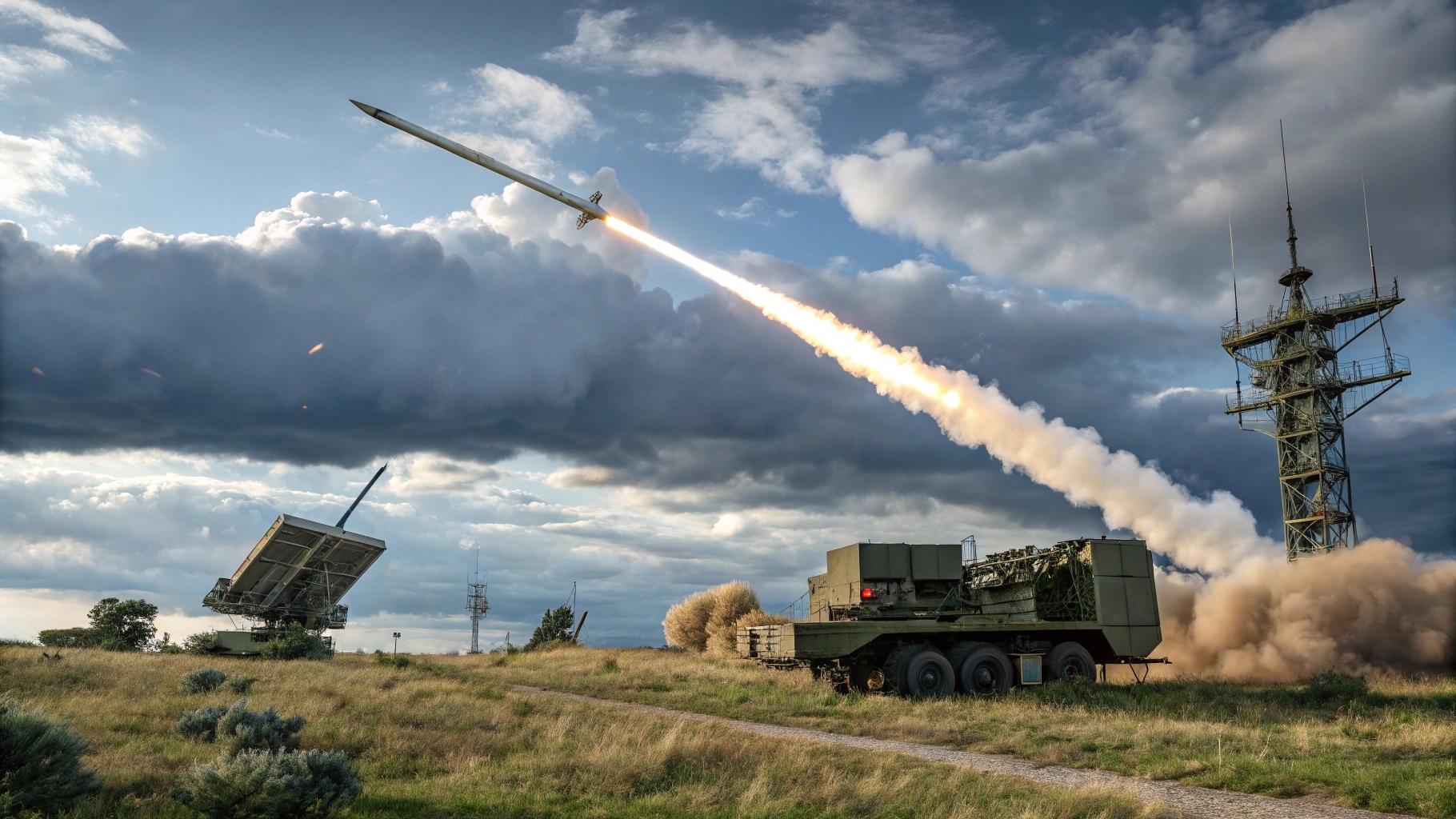
D-Propulse founder and CEO Saurav Jha, speaking on the 50th episode of the Ctrl Alt Defence
podcast, outlined an ambitious longer-term application for the company’s Rotating Detonation
Engine technology. an air-launched cruise missile capable of exceeding Mach 3 while remaining
compact enough to be carried by lighter fighters like the Tejas Mk1A, packing a 200 kg warhead
and delivering range comparable to the air-launched BrahMos-A, a weapon currently restricted
almost entirely to India’s heavier Su-30MKI fleet.
The Platform Compatibility Problem This Would Solve
To understand why this proposal matters, it helps to understand what BrahMos-A actually is and
why it hasn’t reached most of the Indian Air Force’s fighter fleet. The air-launched BrahMos,
inducted into IAF service in 2019, carries the same core supersonic performance as its ship- and
land-launched siblings, cruising at Mach 3 with a conventional semi-armour-piercing warhead in
the 200-300 kg class. But at roughly 2.5 to 2.9 tonnes for the base airframe, it’s simply too heavy
and bulky for most Indian fighters to carry, which is why BrahMos-A integration has remained
largely confined to the Su-30MKI, the one platform in the IAF inventory with the structural
strength and payload capacity to handle it.
DRDO has already been working to solve this exact problem through BrahMos-NG, a compact
variant cutting weight to around 1.3 tonnes specifically to fit smaller platforms like Tejas, Rafale,
and MiG-29, while targeting broadly similar range in the 290-350 km class at speeds up to Mach
3.5. Jha’s RDE-based proposal pursues a strikingly similar end goal, matching BrahMos-A-class
range on a lighter fighter, but through an entirely different propulsion architecture rather than
conventional airframe miniaturisation.
Why RDE Propulsion Enables This Kind of Compression
The physics underpinning Jha’s proposal comes down to the same fundamental advantage driving
all of D-Propulse’s work: Pressure-Gain Combustion. Because a Rotating Detonation Engine’s
continuous supersonic detonation wave increases total pressure through combustion rather than
losing it, as happens in conventional deflagration-based engines, the same quantity of fuel yields
meaningfully more usable thrust and range. That efficiency gain is precisely what allows Jha to
argue a missile built around a compact 5 kN RDE could match BrahMos-A’s range envelope while
occupying a substantially smaller airframe, small enough that a lighter single-engine fighter like
Tejas Mk1A could plausibly carry it without needing BrahMos-NG’s more extensive weight-
reduction redesign.
This isn’t a purely theoretical claim from D-Propulse. The company’s 5 kN air-breathing RDE
combustor, integrated with an aerospike nozzle for efficiency across a wide altitude envelope, has
already been hot-fired and validated at Technology Readiness Level 5 at a DRDO facility in
Hyderabad, giving the propulsion side of this concept a genuine, tested foundation rather than
resting on paper calculations alone.
Fitting Into D-Propulse’s Broader Strategic Vision
This air-launched missile concept builds directly on the “mixed-tier” strike doctrine Jha has
previously articulated. His broader argument holds that premium weapons like BrahMos, priced
between roughly $4.85 million and $5.5 million per unit, are too expensive to expend in the
volume needed for saturation strikes against layered enemy air defences. A cheaper, RDE-powered
alternative capable of sustained Mach 3-to-5 speeds could instead be produced and deployed in
much larger numbers, reserving BrahMos-class munitions specifically for the highest-value
targets while a swarm of more affordable RDE missiles handles the work of overwhelming enemy
radar and interceptor capacity through sheer volume.
Applying that logic to an air-launched, Tejas-compatible weapon adds a further dimension: it
would let the IAF’s large and growing Tejas Mk1A fleet, which currently lacks any organic
supersonic standoff strike capability comparable to what the Su-30MKI brings with BrahMos-A,
field a genuinely potent long-range strike option without needing the heavier airframe or higher
unit cost that BrahMos-NG or the original BrahMos-A require.
From Missile-Scale Engine to Fighter-Relevant Weapon
It’s worth situating this proposal within D-Propulse’s broader, staged roadmap rather than
treating it as an imminent, fully engineered product. The company has publicly stated it’s
targeting Technology Readiness Level 7, demonstrated through a powered sustainer flight, by
December 2027, with fully guided RDE-powered munitions offered for Indian military user trials
only by December 2029. An unguided cruise-missile-shaped test vehicle is separately planned for
2027 specifically to validate the RDE engine’s performance in free flight. A dedicated, guided,
Tejas-compatible air-launched cruise missile with a 200 kg warhead and BrahMos-A-class range
would represent a considerably more mature product than either of those nearer-term milestones,
built once the underlying engine technology has been proven across multiple progressively more
demanding test phases.
Why This Matters Beyond Just One Missile Programme
Even setting aside the specific Tejas-compatible concept, the broader significance here is what it
says about India’s private defence-industrial ecosystem. D-Propulse isn’t alone in pursuing RDE
technology for missile applications, other startups like Prime Tooling have separately signalled
interest in the same propulsion class for loitering munitions and swarm drone applications,
suggesting a maturing private innovation track that’s beginning to move faster on advanced
propulsion concepts than some traditional public-sector timelines have historically managed. If
even a portion of D-Propulse’s roadmap holds, RDE technology could plausibly extend beyond
simply matching existing missile capability to enabling entirely new categories of standoff
weapons that current airframe-and-engine combinations can’t achieve, sustained Mach 5-plus
speeds in compact packages being the more distant but genuinely transformative long-term
promise Jha and others in this space have pointed toward.
The Bottom Line
A Tejas Mk1A-compatible, RDE-powered cruise missile matching BrahMos-A’s range in a
meaningfully smaller, lighter package would fill a real capability gap in the IAF’s current fighter
fleet, giving India’s most numerous indigenous fighter type genuine long-range supersonic strike
capability it currently lacks. The proposal rests on real, tested propulsion hardware rather than
pure speculation, but it remains several development stages and multiple years away from an
actual guided weapon, sitting behind the unguided 2027 engine-validation flight and the broader
TRL-7-by-2027, user-trials-by-2029 roadmap D-Propulse has already committed to publicly.