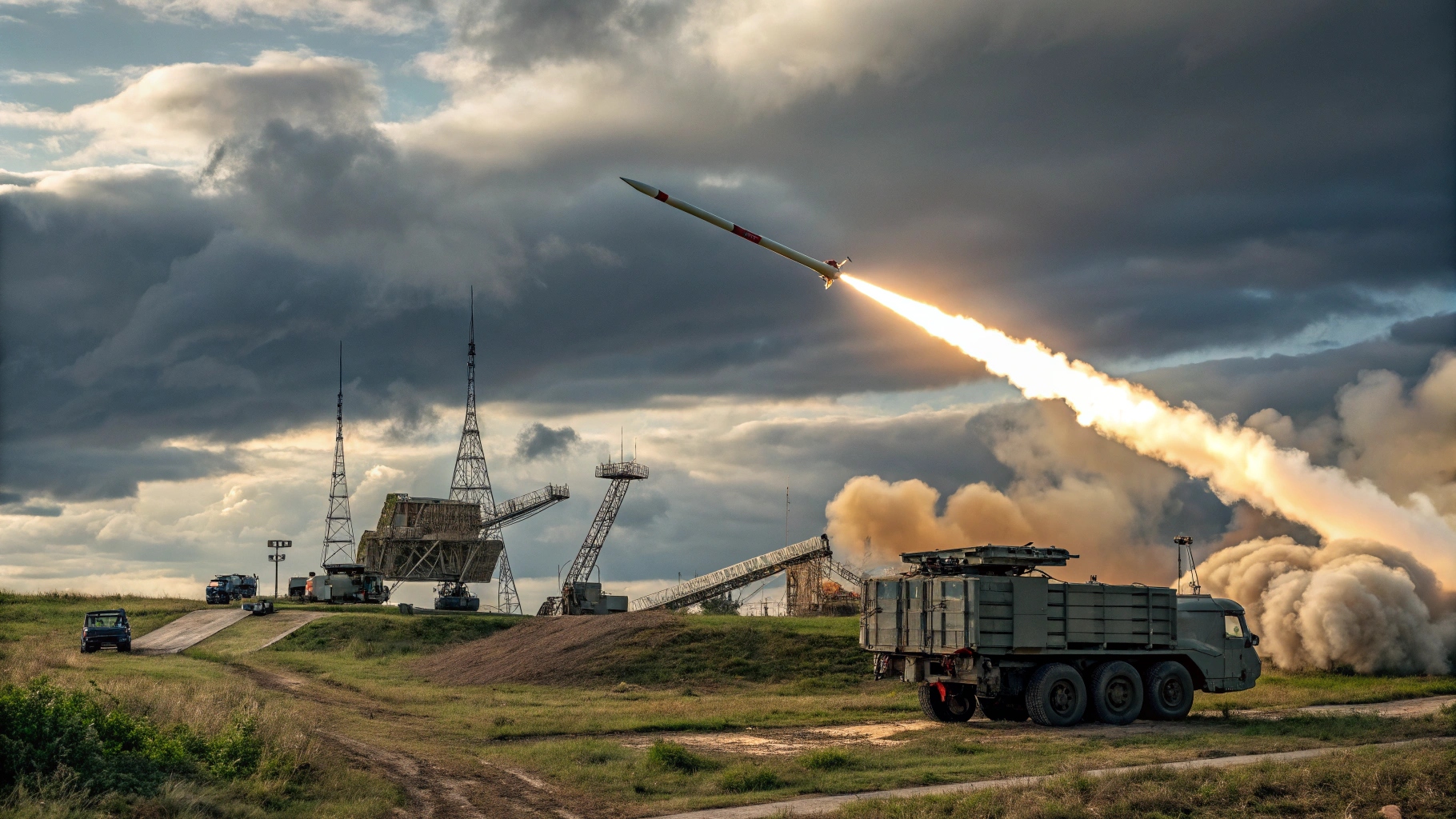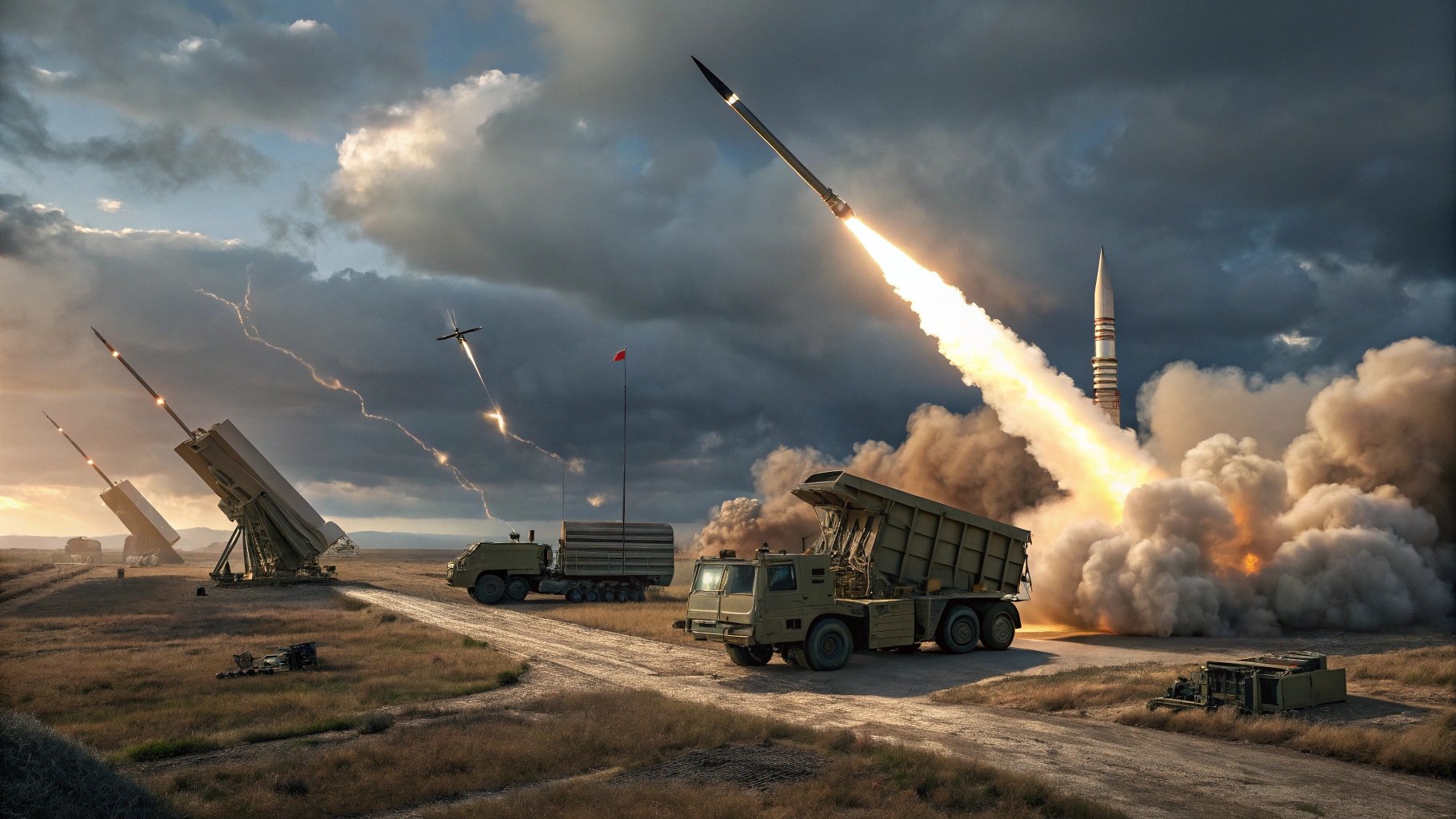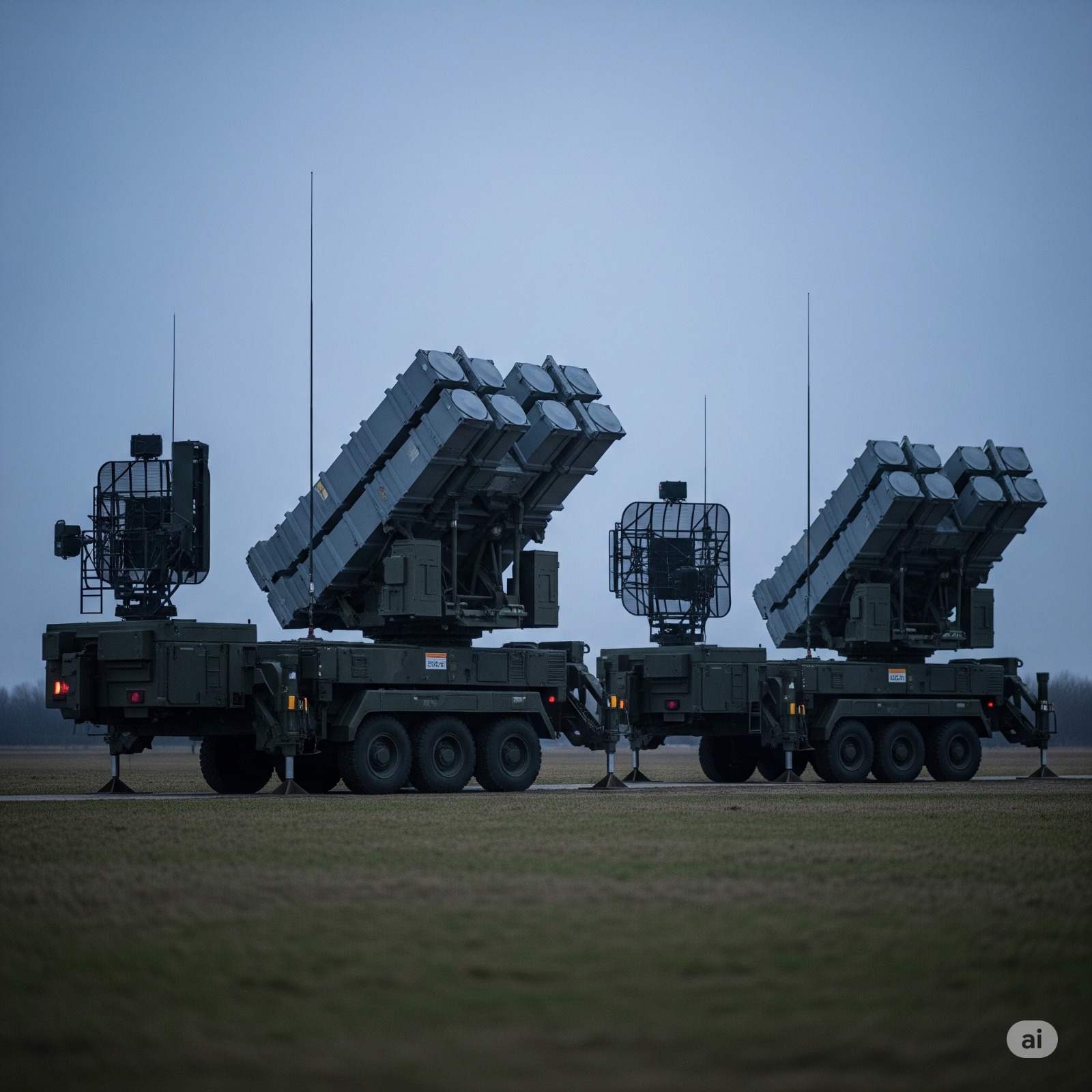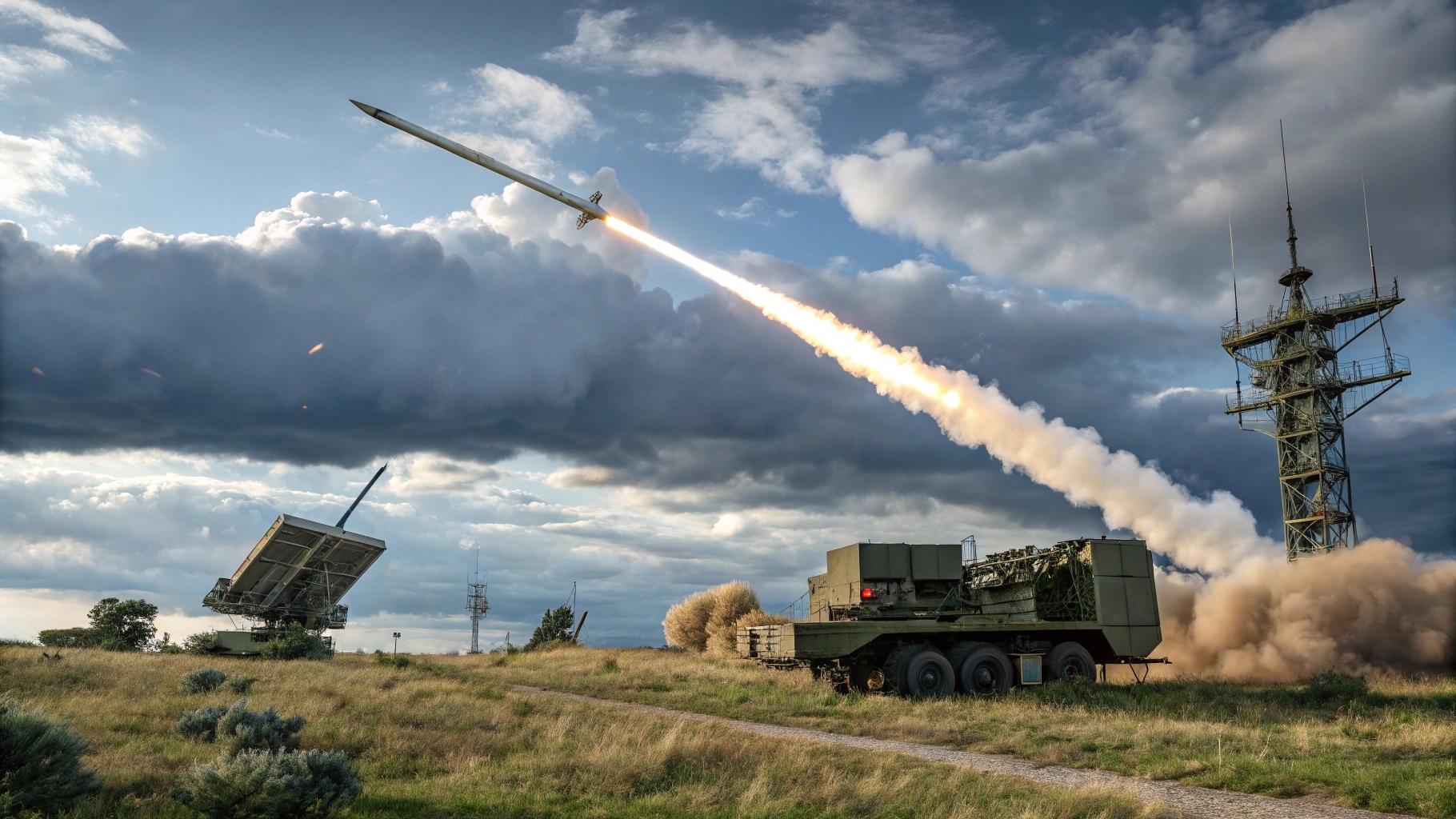
India has built a strong missile inventory that includes systems such as BrahMos and the planned LR-LACM. However, modern warfare also highlights the need for affordable weapons that can be produced in large numbers. A subsonic cruise missile with a range of about 500 km could fill this gap. It would not replace BrahMos or LR-LACM. Instead, it could support missions where affordability, quantity and flexibility are more important than extreme speed or strategic reach.
The main advantage would be cost. BrahMos offers high speed, precision and survivability, but its advanced propulsion, guidance and seeker technologies make it a premium weapon. LR-LACM is intended for deeper strategic strikes. Using such expensive systems against every battlefield target could reduce inventories quickly and increase the financial burden during a long conflict.
A simpler 500-km missile could be used against logistics centres, ammunition depots, radar sites, bridges, fuel facilities and secondary command posts. Large-scale production could also make it easier to maintain stocks during prolonged operations. A design focused on mass production could use simplified architecture, modular construction and wider participation from India’s private defence industry.
Another benefit would be production resilience. High-end missiles depend on specialised components and complex manufacturing processes. A lower-cost design could spread manufacturing across several facilities. Emerging indigenous compact turbofan programmes could also support future propulsion requirements and reduce dependence on limited production lines.
The missile could also contribute to layered strike operations. Large salvos of relatively inexpensive weapons could place pressure on integrated air defence systems. Defenders would have to spend valuable interceptors against incoming threats. If air-defence resources were reduced, more valuable weapons such as BrahMos and LR-LACM could be reserved for high-priority missions.
Operational flexibility is another important factor. Strategic missiles are generally controlled carefully because of their limited numbers and high replacement costs. A widely available 500-km weapon could give theatre commanders a more responsive precision-strike option. It could support attacks on airfields, logistics hubs, fuel depots and command facilities without consuming scarce strategic weapons.
Overall, such a missile would add another layer to India’s strike portfolio. BrahMos could continue to serve demanding, high-value missions, while LR-LACM could retain its deep-strike role. A mass-produced subsonic missile would provide an affordable option for sustained precision fires and help preserve premium weapons for missions where their unique capabilities are most valuable.