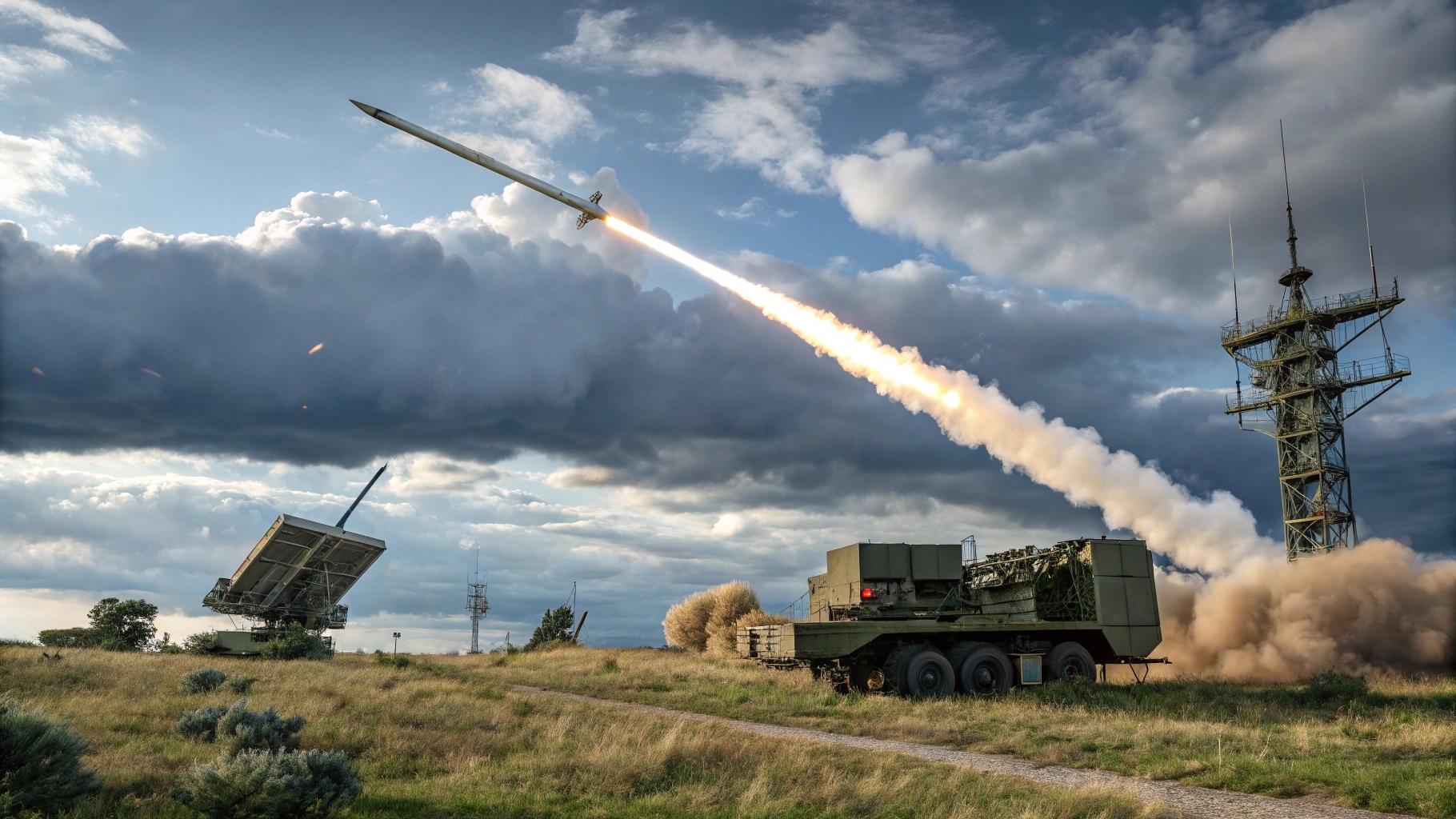
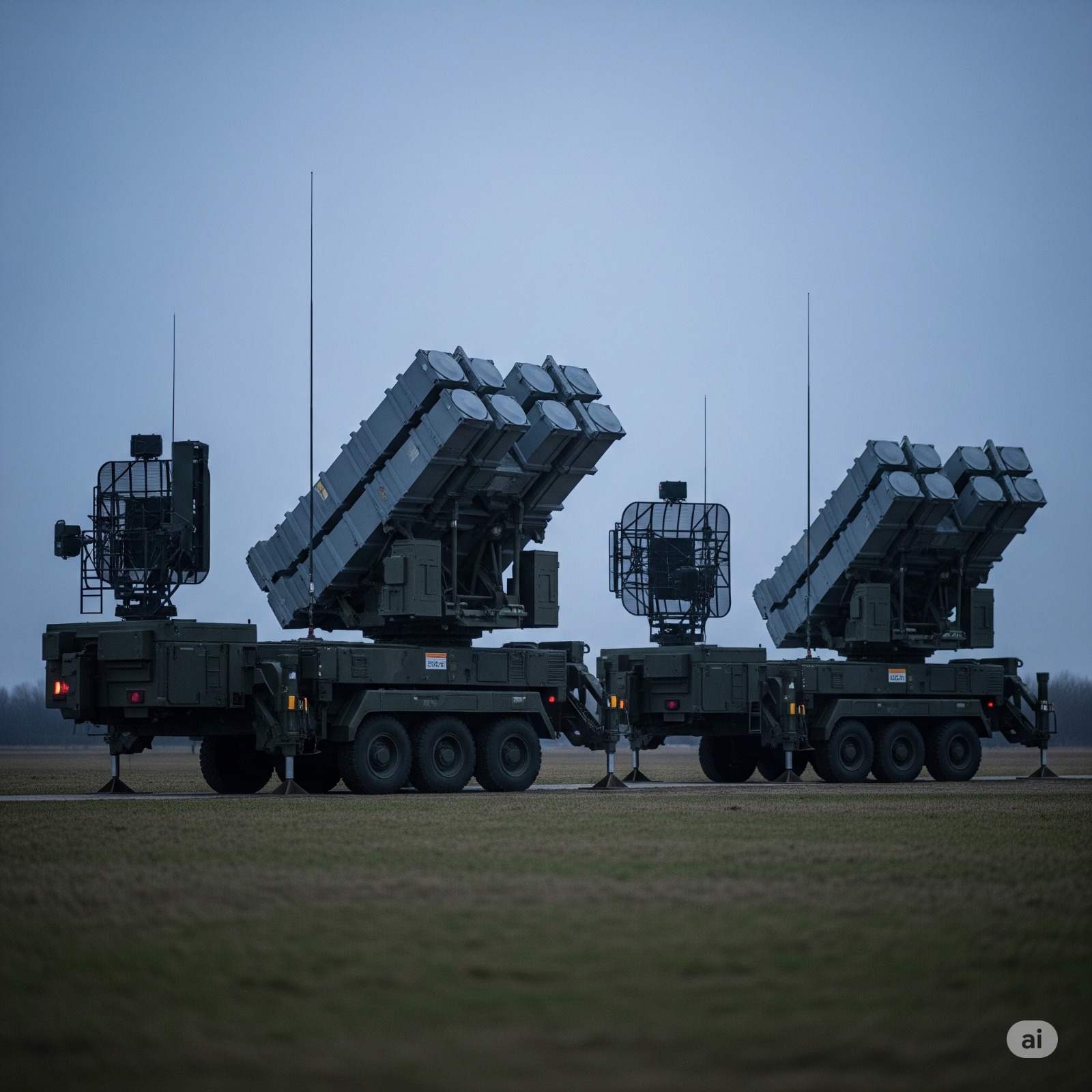
US Boosts SM-3 Output Through New Boeing, RTX DealsThe US Department of Defense is moving to accelerate production of Standard Missile-3 interceptors through new seven-year framework agreements with Boeing and RTX. The arrangements cover components for the SM-3 Block IB and Block IIA variants, which form an important part of the US Navy’s sea-based ballistic missile defense network.Boeing will increase production of avionics and ejector assemblies required for both interceptor versions. The framework agreements allow component manufacturing to proceed as the government, Boeing and RTX work toward a future multi-year production award. The initiative is designed to increase industrial capacity and help deliver additional missile defense systems more rapidly.The latest effort is part of the US administration’s broader defense production strategy and follows a major contract awarded to Lockheed Martin for PAC-3 MSE interceptors. The agreement, valued at up to $53.86 billion, is intended to support higher production levels through 2033.At the same time, the US Navy and Lockheed Martin are pursuing the integration of the PAC-3 MSE into the Aegis combat system. The technology, originally developed for the US Army’s Patriot air defense architecture, could give Navy ships another capability for countering ballistic missile threats.The Navy’s Aegis fleet includes Arleigh Burke-class destroyers and Ticonderoga-class cruisers. Washington is also increasing production of THAAD interceptors through another multibillion-dollar Lockheed Martin contract.These combined initiatives highlight the Pentagon’s emphasis on expanding interceptor manufacturing and creating layered missile defenses capable of responding to increasingly complex threats.