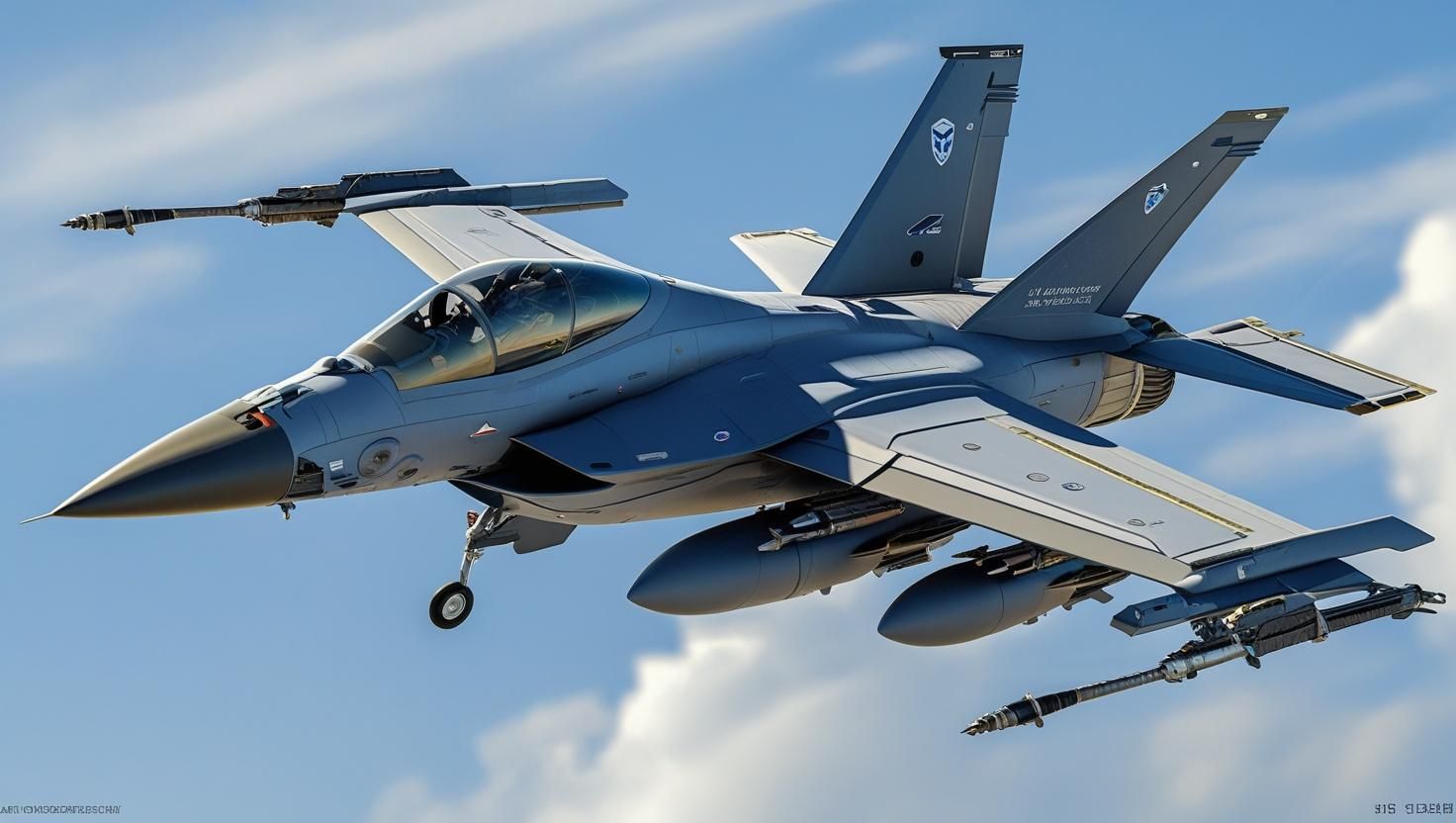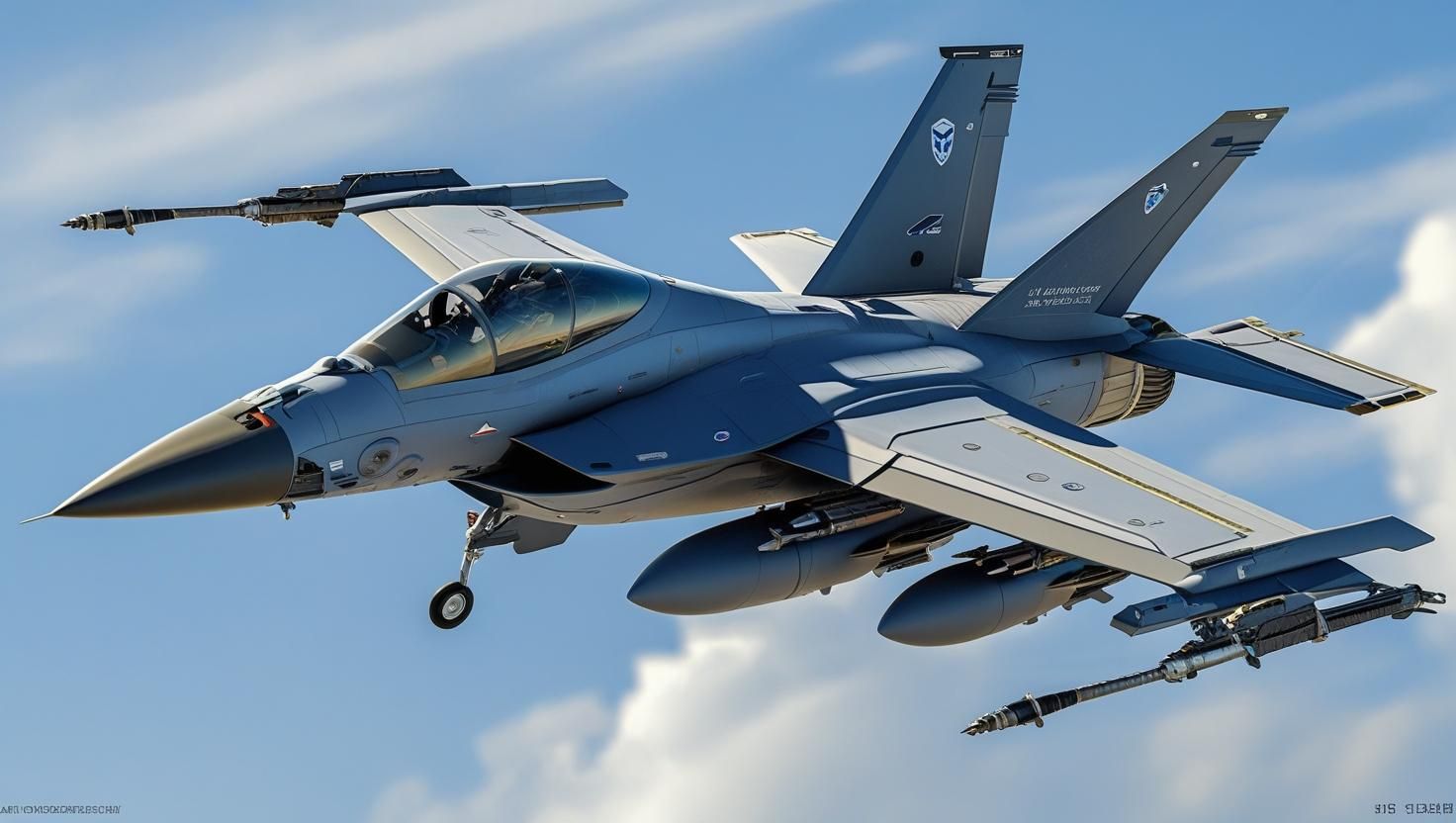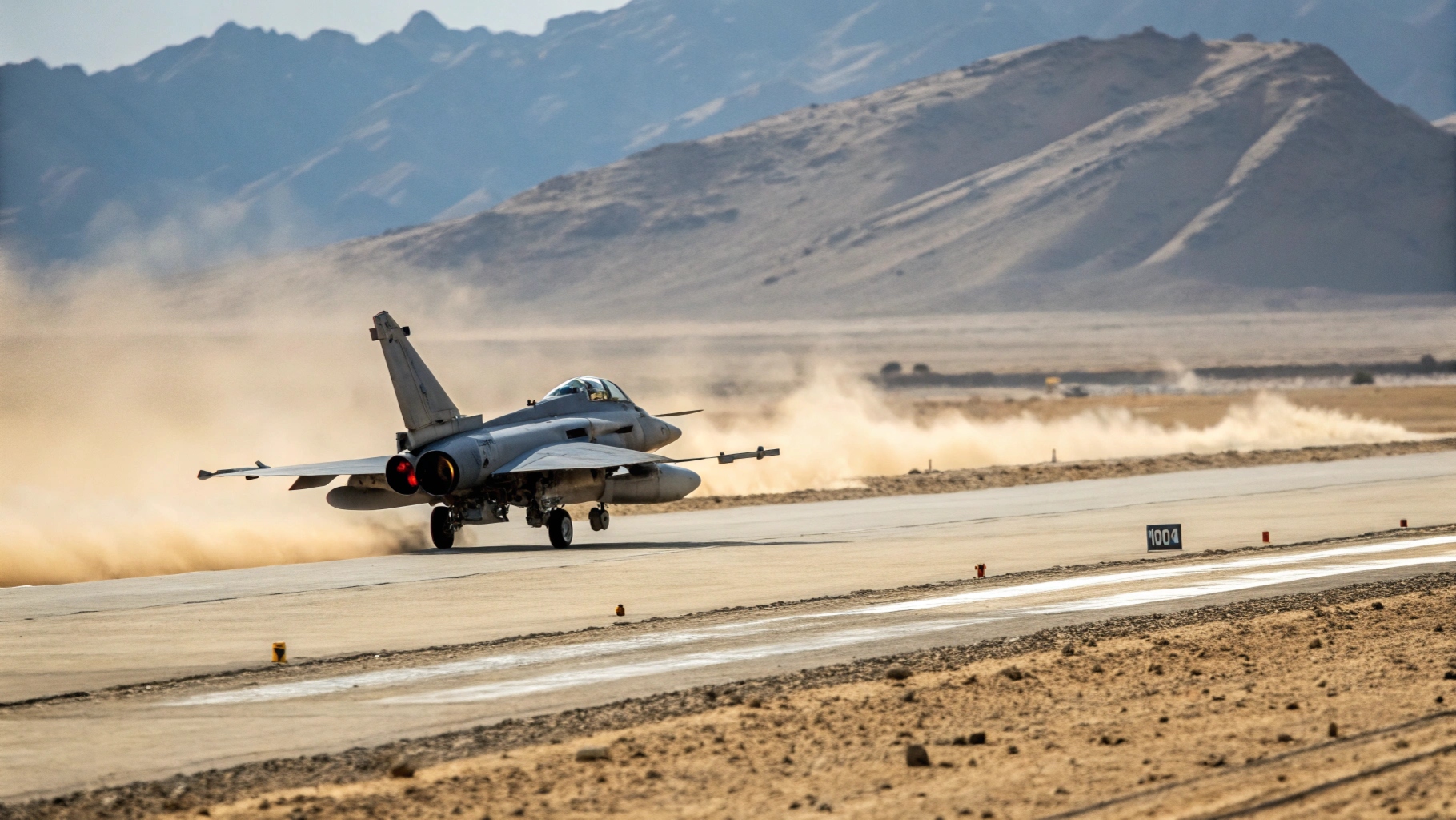
India’s decision to involve private industry in the Advanced Medium Combat Aircraft programme represents a major change in defence manufacturing strategy. Companies such as Tata Advanced Systems Limited, Larsen & Toubro and Bharat Forge are expected to play a larger role in prototype development and manufacturing. However, the programme remains under the sovereign control of the Government of India, with the Aeronautical Development Agency continuing as the design authority.
The selected private-sector consortia are expected to work with ADA on prototype manufacturing, production engineering, systems integration and industrialisation. Their involvement is intended to improve the transition from aircraft design to serial production and to use the growing capabilities of India’s private aerospace sector.
At the same time, key programme responsibilities remain with the government. Aircraft configuration, stealth shaping, mission systems, flight-control laws, software architecture and certification are described as areas directed by the government and ADA. This creates a model in which manufacturing is distributed while strategic design authority remains centralised.
The programme also follows what the source describes as calibrated openness. India may work with foreign original equipment manufacturers in areas where critical technologies are not yet available domestically. Potential areas include propulsion, advanced avionics, specialised materials and other technologies required for a fifth-generation fighter.
Such cooperation would need clear technology-transfer arrangements and security procedures. Foreign companies could contribute selected technologies or subsystems without receiving control of the overall AMCA design.
Personnel security is another important part of the model. The source indicates that sensitive work involving classified design, mission software, stealth technology and systems integration would be restricted to Indian citizens with appropriate security clearances. This is intended to protect technical information, manufacturing processes and future upgrade plans.
Intellectual property ownership is also central. While private companies may manufacture and integrate major aircraft sections, the core intellectual property associated with the design, flight-control algorithms, mission architecture and indigenous technologies would remain under government ownership.
Overall, the AMCA model seeks to combine private-sector manufacturing strength and investment with government control over strategic technology. The approach could provide greater industrial capacity while preserving national control over sensitive fighter technologies and future development decisions.