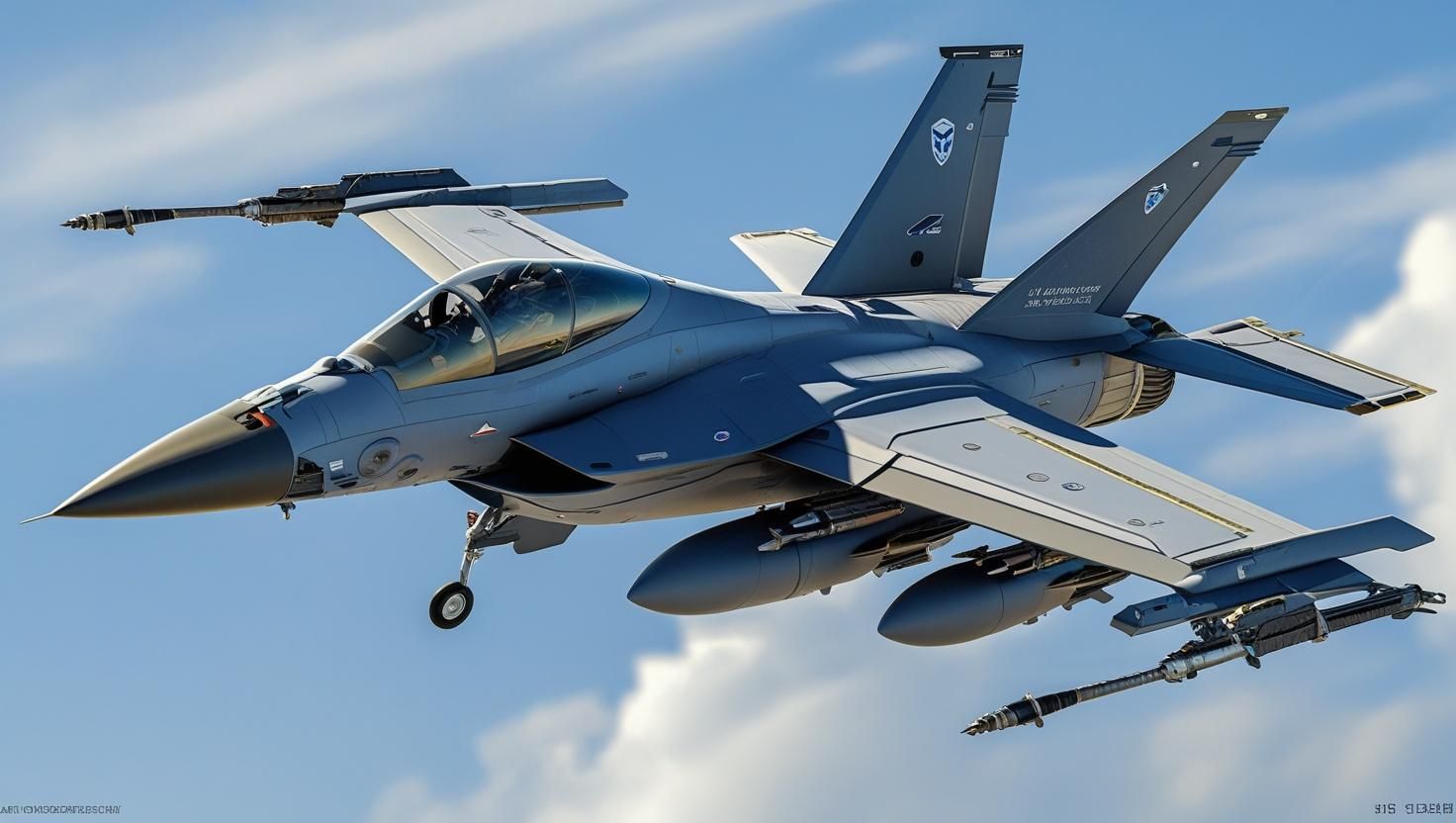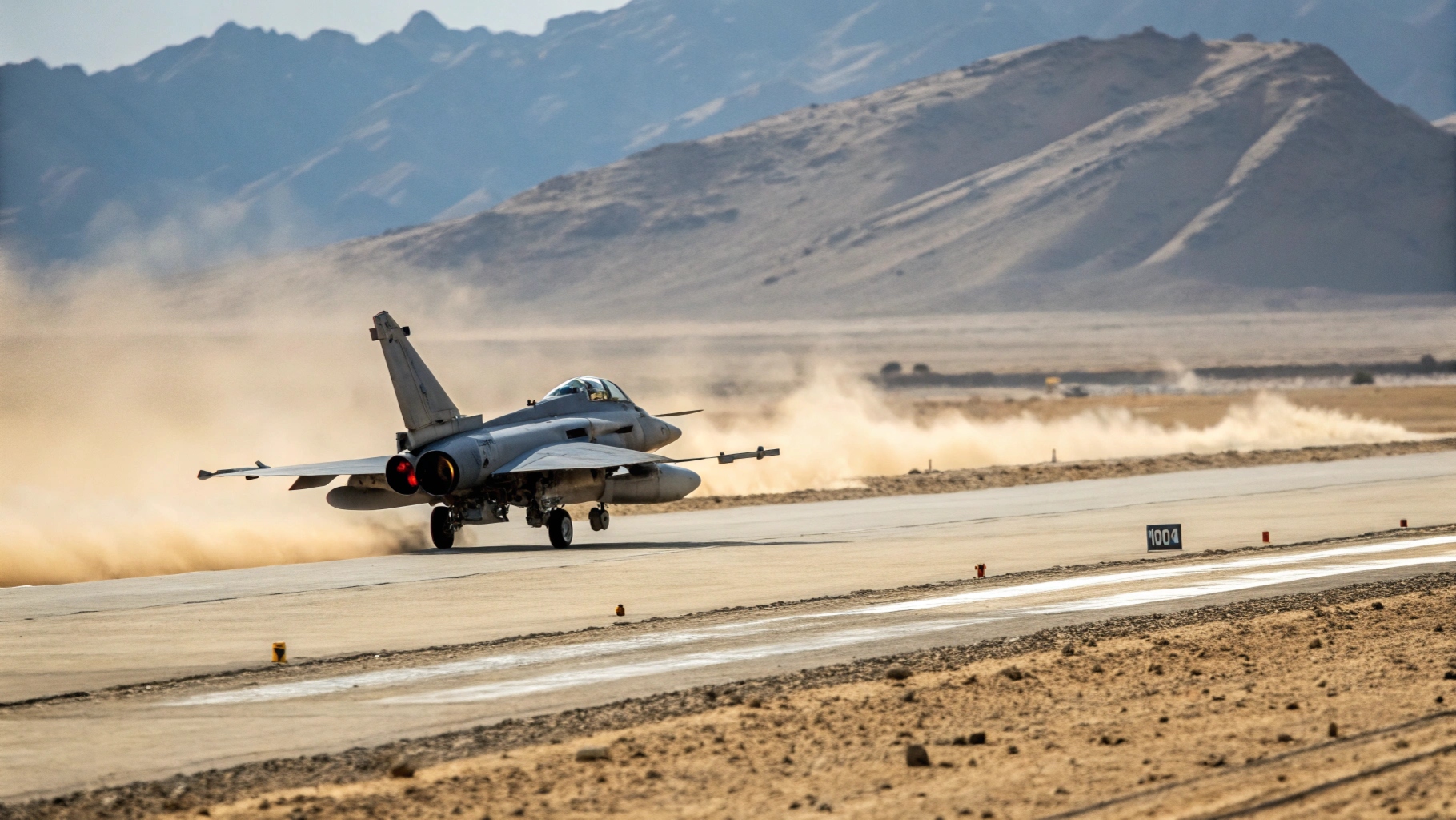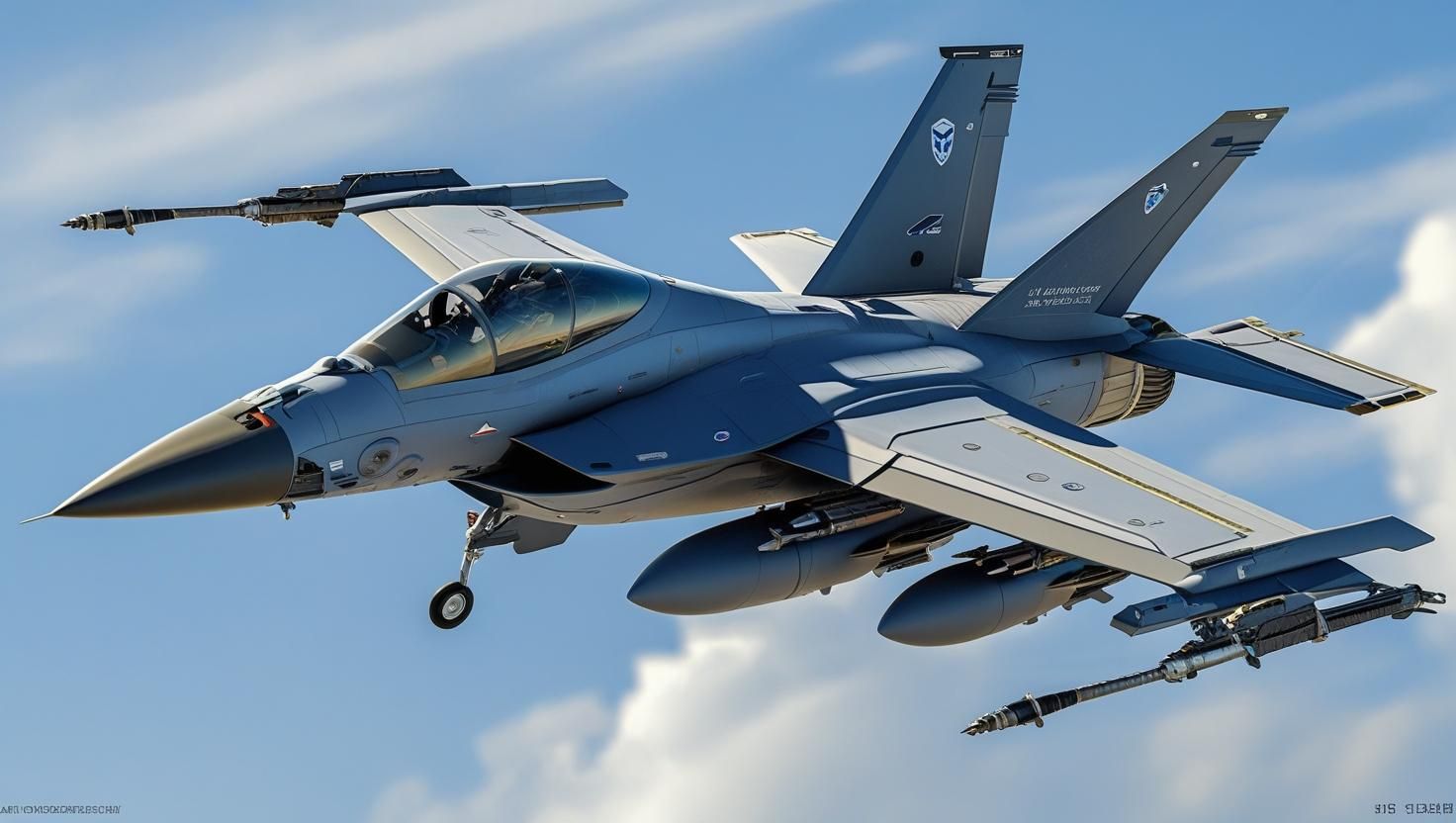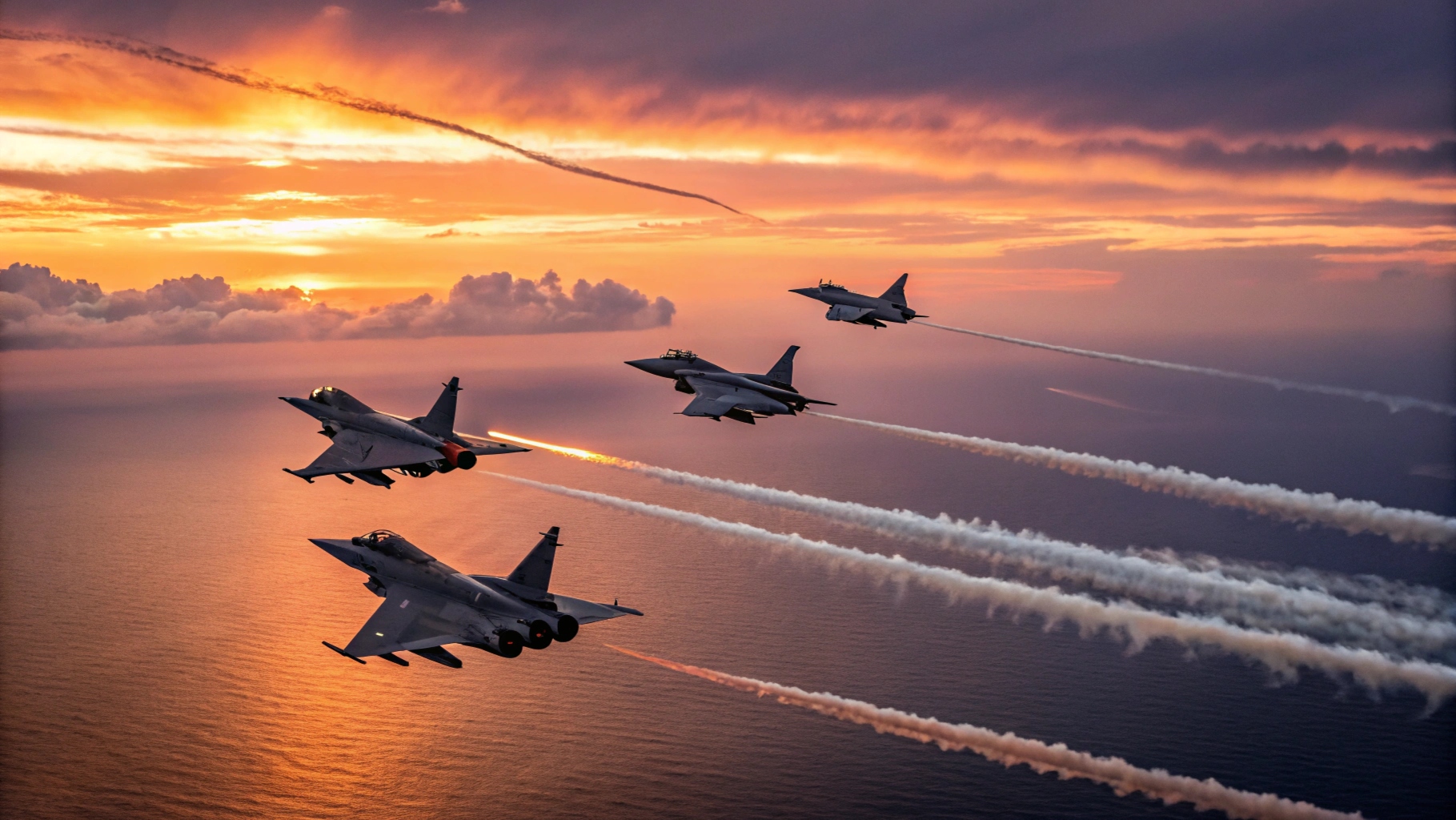
More than two decades after entering service, the F-22 Raptor remains one of the most formidable combat aircraft in the world and a critical component of the United States Air Force’s air superiority strategy. Conceived during the Cold War to counter advanced Soviet aircraft, the Raptor evolved into a revolutionary platform that integrates stealth, speed, situational awareness, and combat effectiveness at an unprecedented level. Its ability to operate undetected within hostile airspace provides a decisive advantage, allowing it to strike first and control engagements long before opponents can respond. The fighter’s sophisticated sensor suite combines information from multiple sources into a single integrated display, dramatically improving pilot awareness and decision-making. Beyond stealth, the aircraft’s supercruise capability enables sustained high-speed operations without relying on fuel-intensive afterburners, while thrust-vectoring engines deliver exceptional maneuverability in close combat situations. The F-22 has participated in operational deployments and large-scale exercises where it consistently demonstrated overwhelming superiority against legacy fighter aircraft. While challenges such as high maintenance costs, a limited fleet size, and aging airframes persist, ongoing modernization programs are ensuring the aircraft remains relevant against emerging threats. Until the arrival of the next-generation air dominance platform, the F-22 is expected to remain a vital asset for maintaining American control of the aerial battlespace.