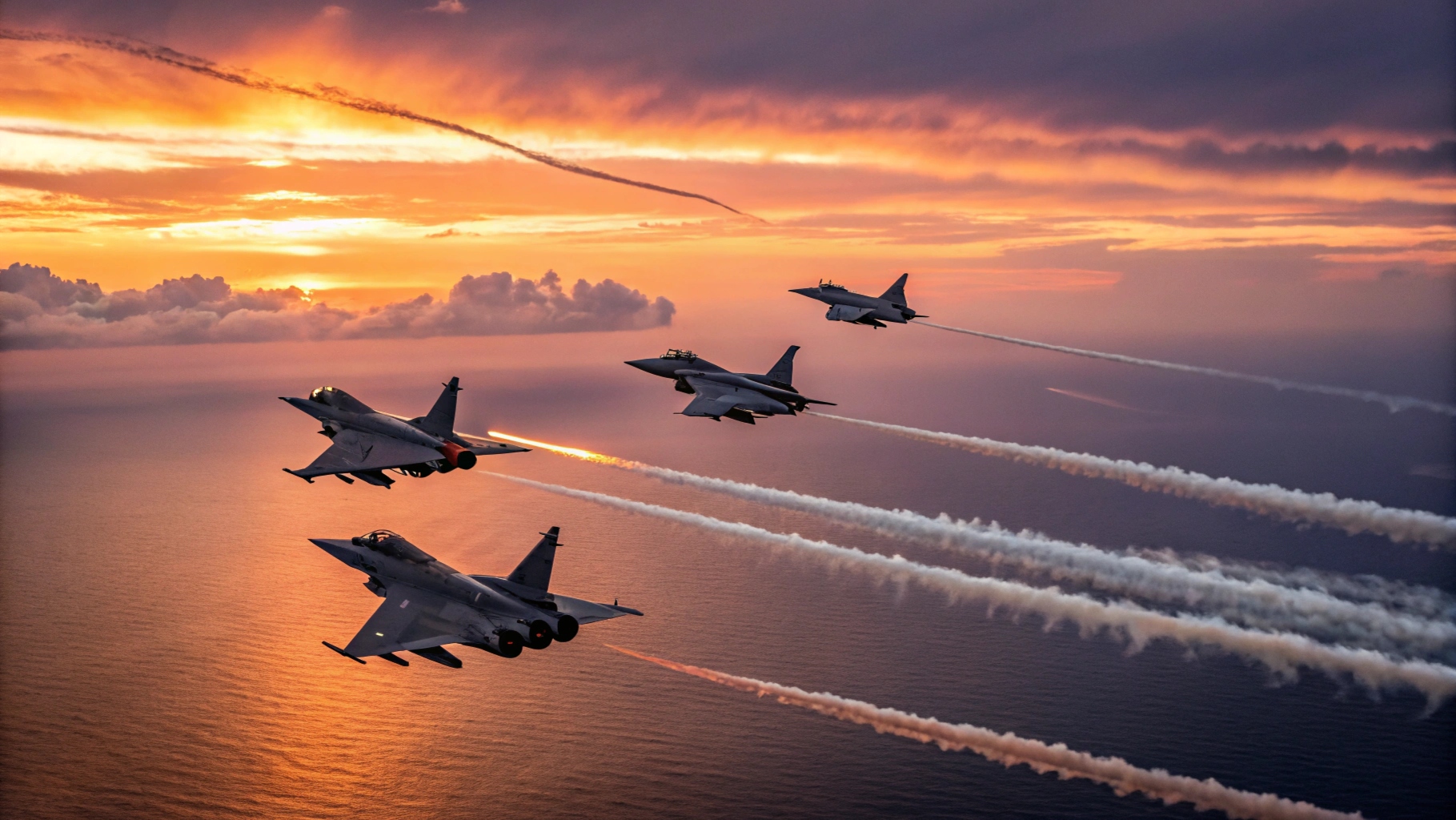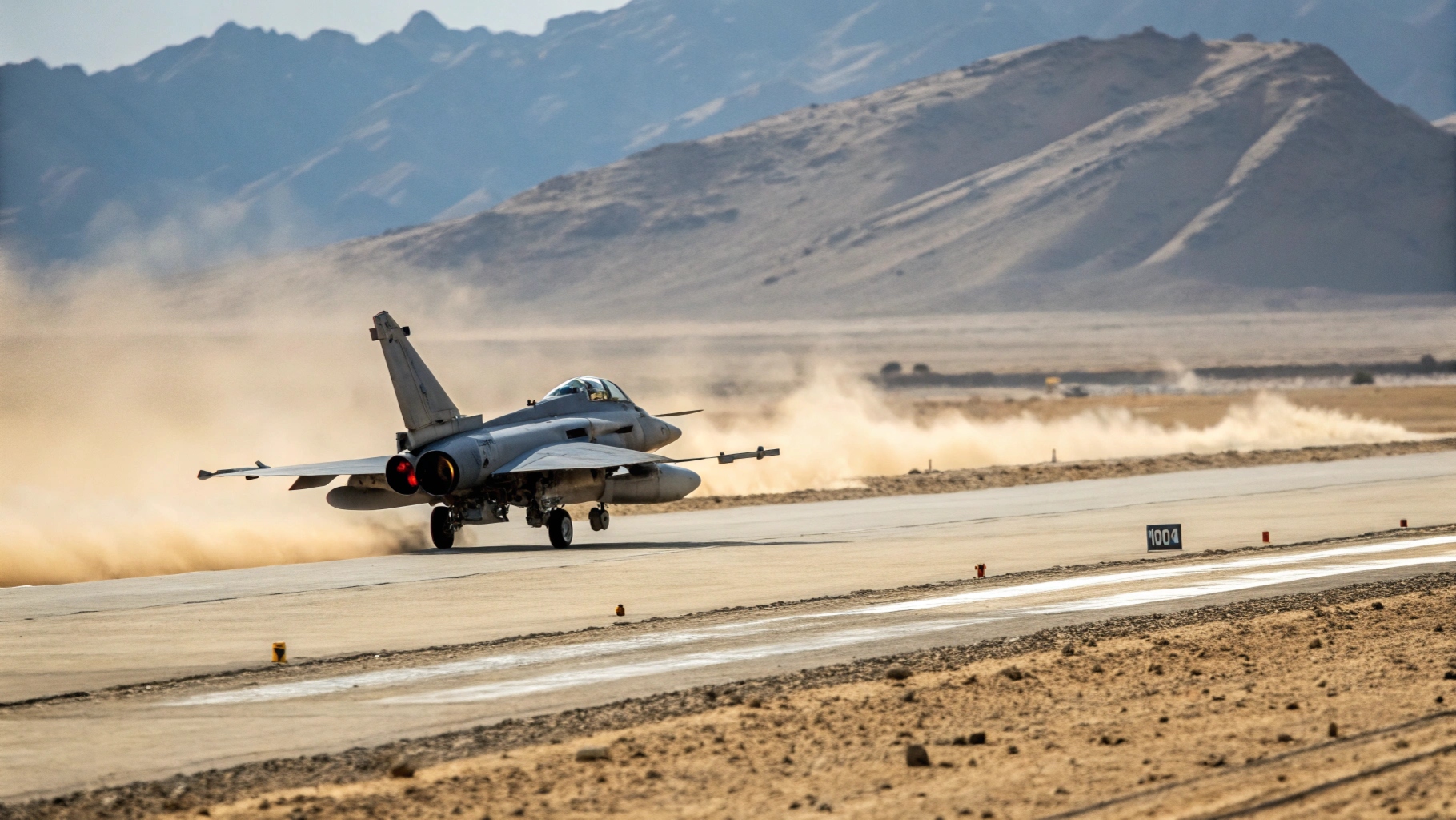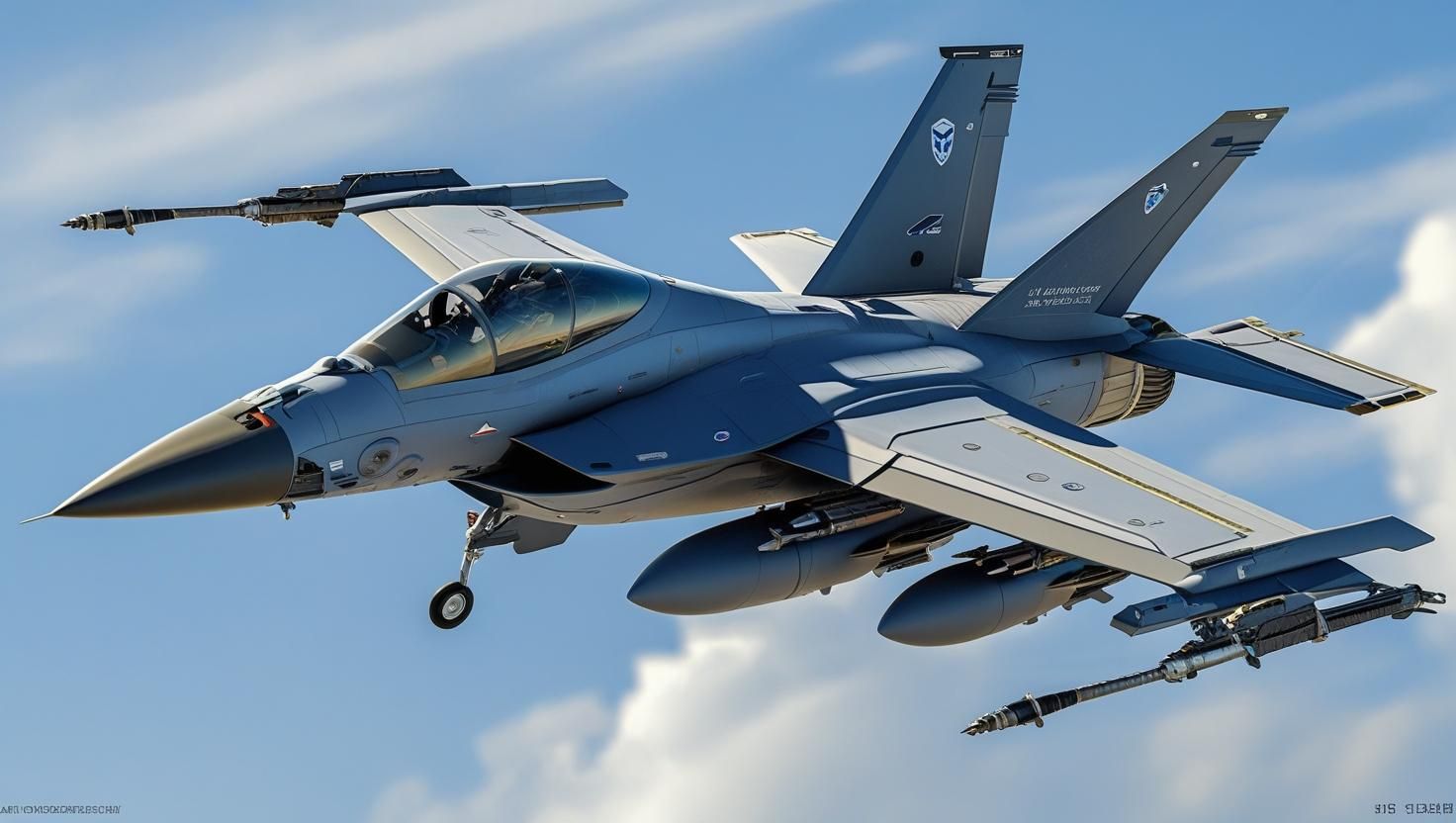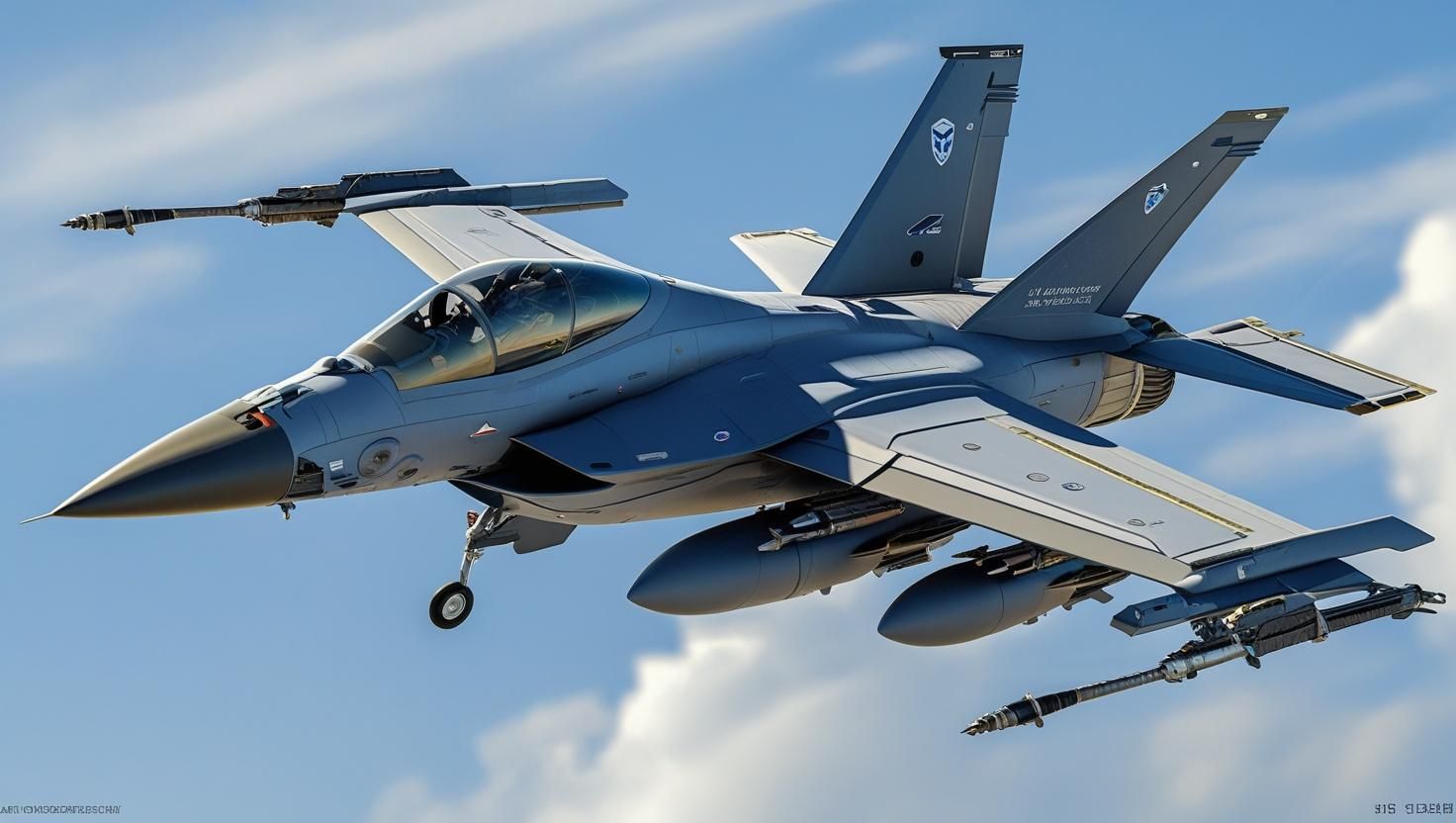
Russia’s introduction of the twin-seat Su-57D has added a new dimension to ongoing speculation surrounding India’s future fighter modernization plans. Designed primarily to improve pilot training and operational flexibility, the new variant is being marketed toward export customers seeking a more accessible pathway into fifth-generation fighter operations. India has long demonstrated a preference for twin-seat aircraft, particularly for complex strike and multirole missions, making it a natural candidate for potential collaboration. Recent reports indicate that discussions between New Delhi and Moscow regarding the Su-57 have advanced considerably, with options ranging from direct procurement to licensed production within India. Russia has also reportedly offered extensive technology access, including source-code sharing, a move rarely seen in international fighter programs. Defence analysts suggest that a customized Indian variant equipped with indigenous mission systems and weapons could align closely with India’s self-reliance objectives. If pursued, the Su-57D could serve as a transitional stealth platform while providing valuable technological experience ahead of the eventual induction of India’s indigenous AMCA fighter.