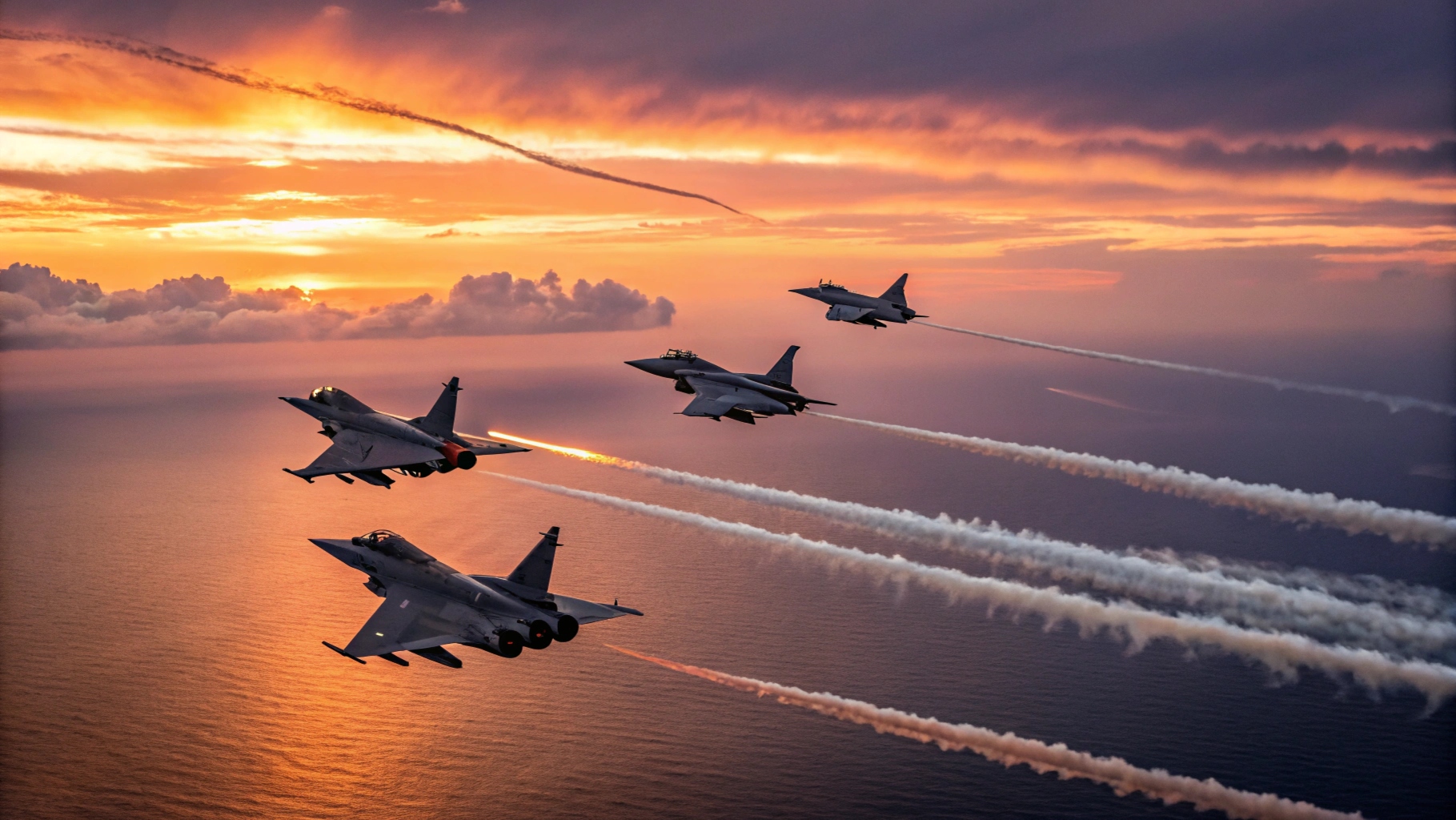
Japan is reportedly preparing to deploy Mitsubishi F-2 fighters to India for a bilateral air exercise. If the deployment takes place, it would mark the first time Japanese F-2 aircraft operate from Indian territory for a bilateral fighter exercise. The reported move would add a new dimension to the growing defence relationship between India and Japan.
The deployment is linked to Japanese Defence Minister Shinjiro Koizumi’s planned visit to India and Australia beginning August 17. Chinese state media has presented the exercise as part of Japan’s effort to strengthen military coordination with India in response to China’s growing strategic influence. However, the operational value of the exercise can also be considered separately from that interpretation.
An important distinction concerns earlier fighter cooperation. During Veer Guardian 2023, Japan sent four F-2s and four F-15s to Hyakuri Air Base, where they trained with four Indian Air Force Su-30MKIs. That exercise was described by India’s Ministry of Defence as the first bilateral fighter aircraft exercise between the two countries. Therefore, an F-2 deployment to India would represent a change in operating location rather than the first India-Japan fighter exercise.
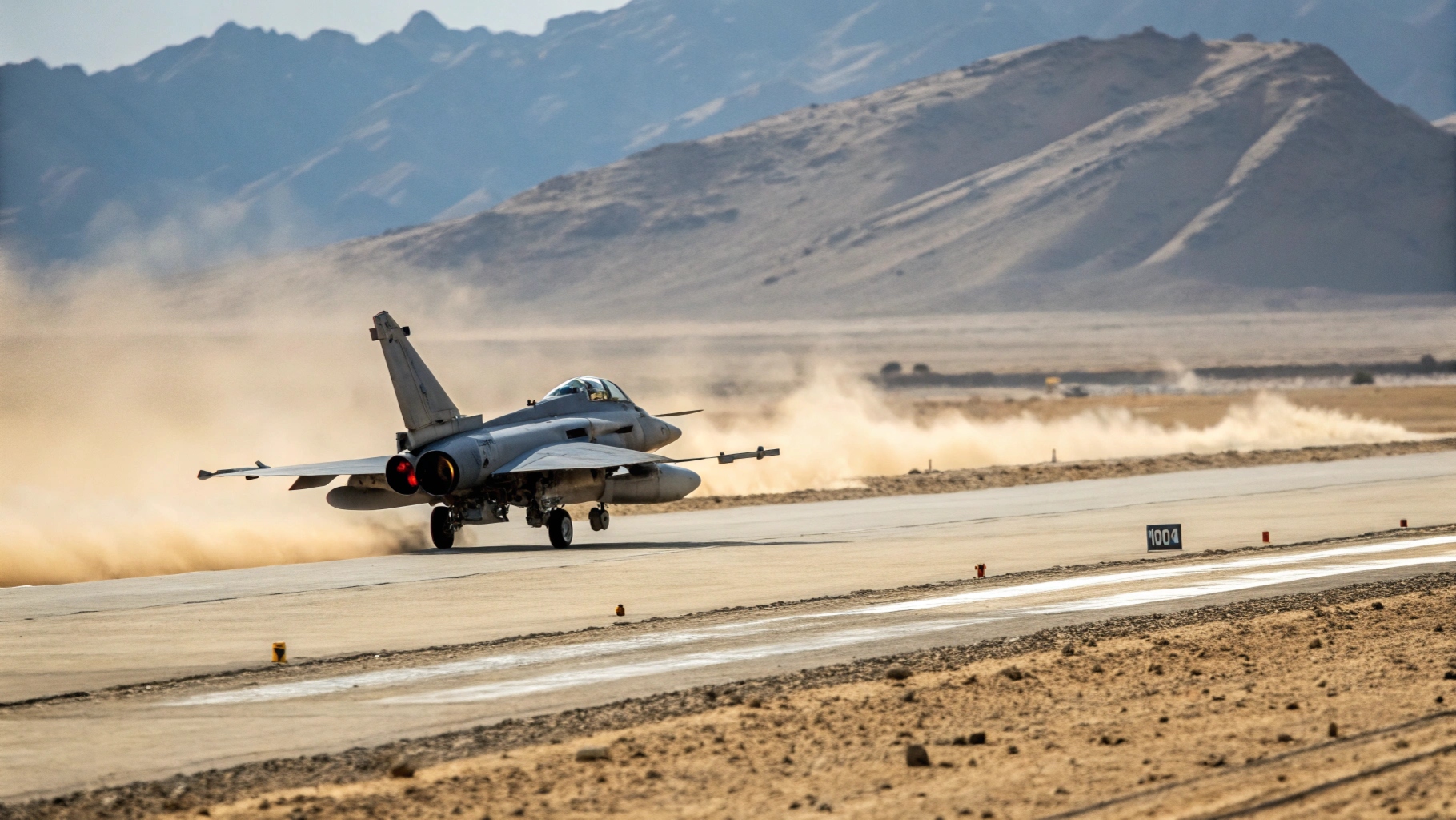
The reverse deployment could offer useful practical experience. Japanese pilots operating from Indian bases would gain exposure to Indian airspace procedures, logistics, airfield operations and local climatic conditions. For the Indian Air Force, training with the F-2 could provide another form of dissimilar air-combat experience.
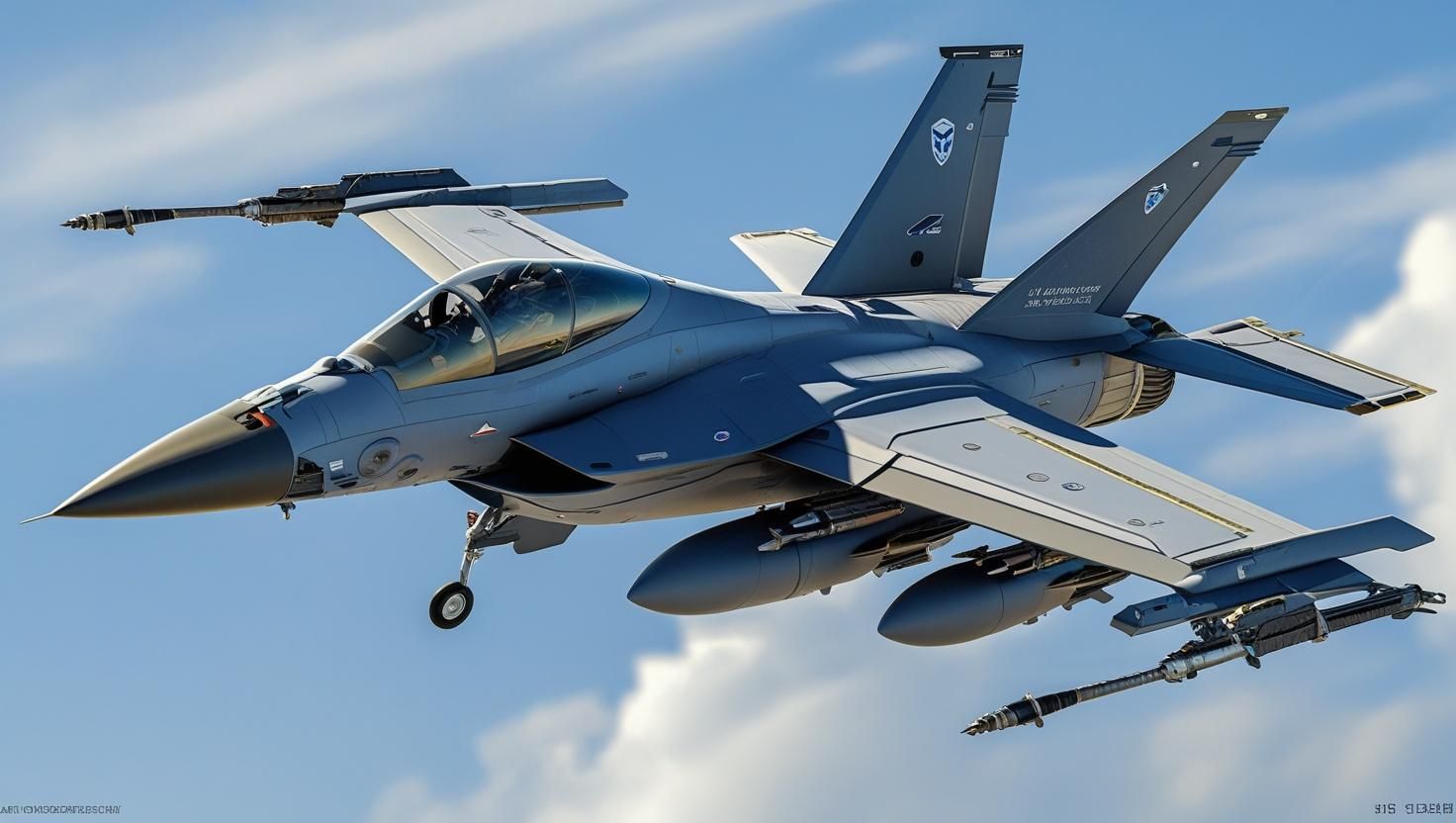
The F-2 is a Japanese-developed multirole aircraft derived from the F-16 but extensively modified for Japanese requirements. It has a larger wing, Japanese avionics and an indigenous AESA radar. These features give it a different sensor and weapons architecture from standard F-16 variants.
India operates a diverse fighter fleet, including Su-30MKIs, Rafales, Mirage 2000s and Tejas aircraft. Training against aircraft with different radar characteristics, electronic warfare systems and operating philosophies can help pilots prepare for complex air operations.
The exercise would also fit into wider India-Japan defence cooperation. Both countries have expanded military exercises and defence-industrial engagement and are members of the Quad with the United States and Australia. China’s concern is therefore understandable, but India can also view the exercise through the broader goal of improving interoperability and operational experience while maintaining strategic autonomy.