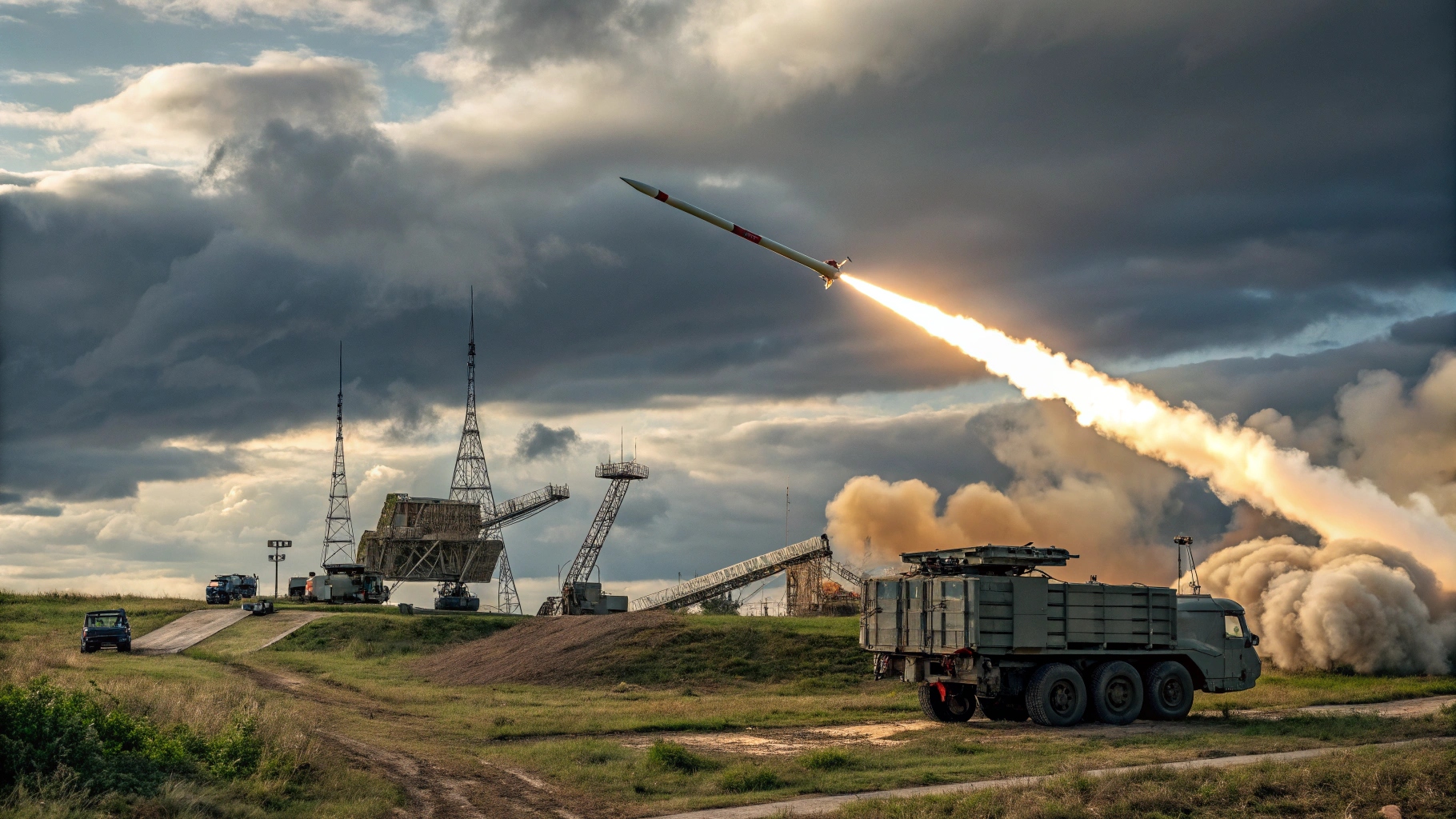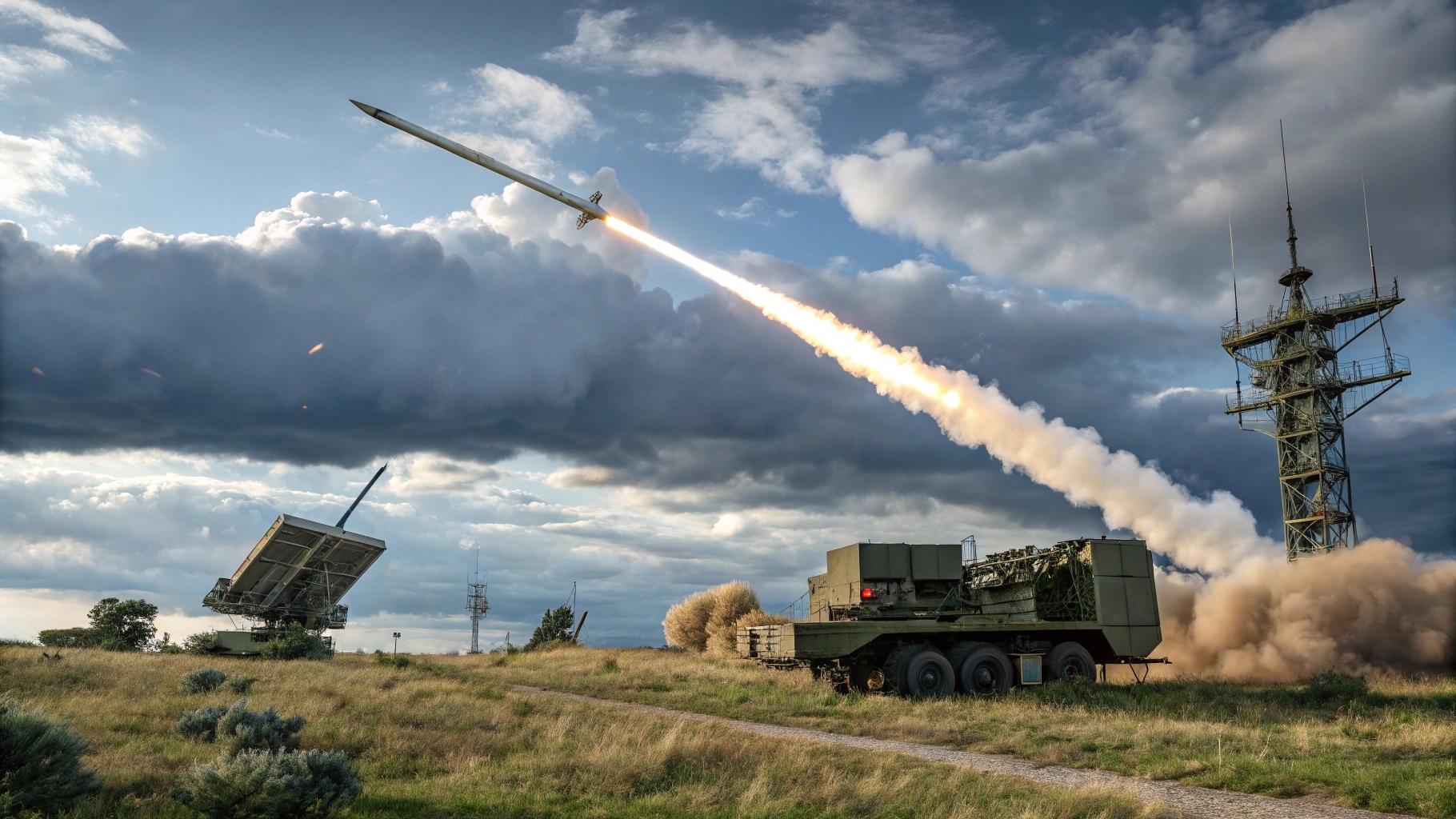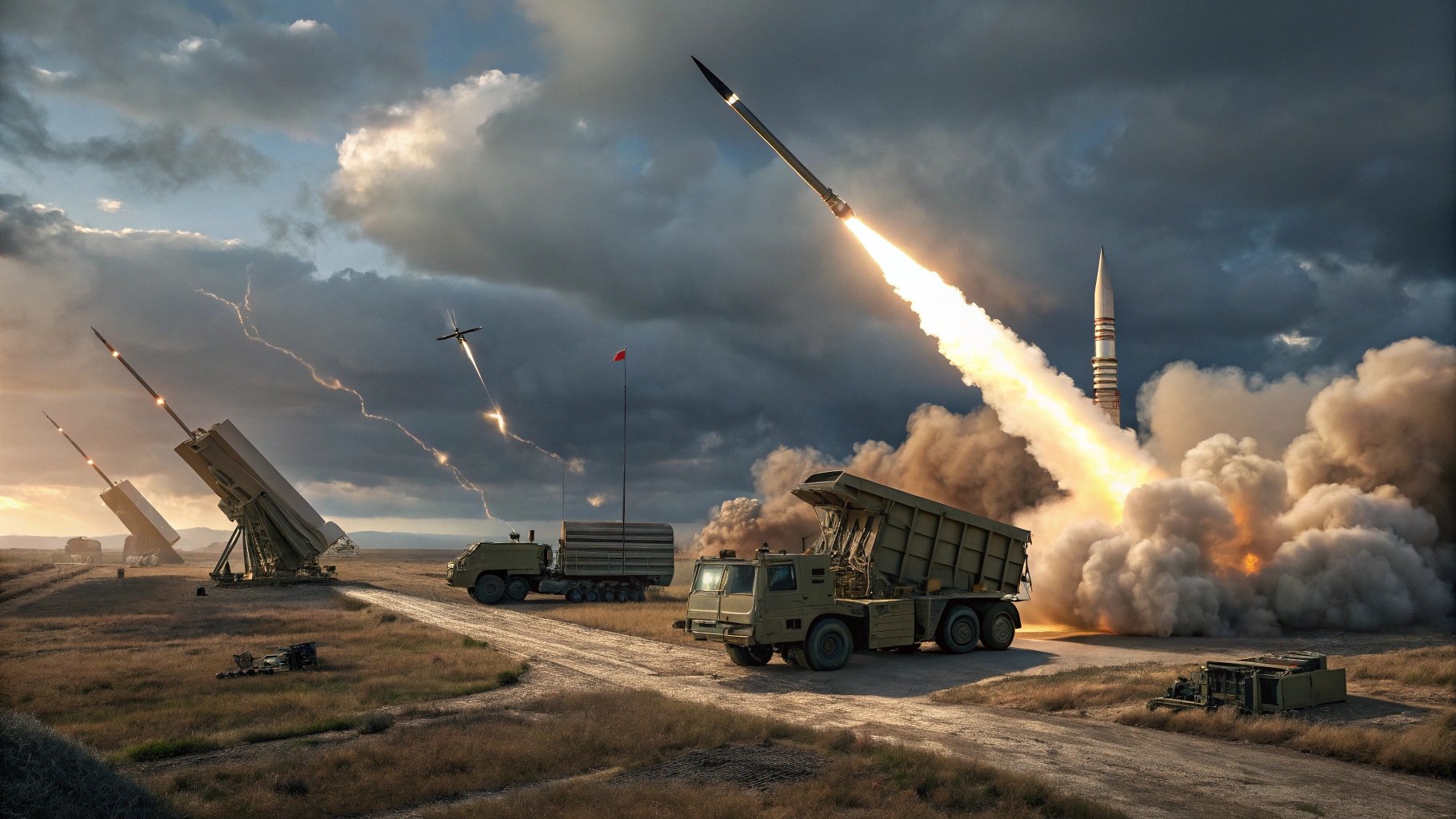
India’s Agni family of long-range ballistic missiles reportedly uses significant propellant during sharp mid-course trajectory corrections in some test flights. Former DRDO Chairman S. Christopher said these manoeuvres can consume up to 30 percent of a missile’s fuel allocation. Despite the additional expenditure, he said the missiles can still reach their designated range and target accurately.
The reason for these corrections is linked to India’s geographic constraints during missile testing over the Bay of Bengal. Test planners must avoid foreign airspace, territorial boundaries, and sensitive international aviation and shipping routes. Rather than following the shortest trajectory, a missile may therefore be directed along a longer, dog-leg path.
The manoeuvring capability is associated with the Agni program’s development history. According to the account, DRDO introduced manoeuvring re-entry technology during early demonstrations in the 1990s to improve re-entry accuracy. The same capability also provides flexibility for conducting long-range tests while reducing the risk of unintended airspace violations.
Mid-course corrections require additional energy because the missile must change its trajectory rather than maintain a direct path. Christopher’s comments suggest that India’s propulsion and trajectory teams account for this penalty during system design.
This indicates that published range figures may include engineering margin rather than represent the absolute maximum distance achievable under every condition. During an operational scenario, a missile would not necessarily need to follow the same test-route restrictions, so the trajectory could be more direct.
The disclosure also highlights the complexity of planning long-range missile tests. DRDO, the Strategic Forces Command, and test-range authorities must balance technical objectives with regional airspace and diplomatic considerations.
As India develops future Agni variants, including the Agni-V and reported longer-range systems, such performance margins may remain important for demonstrating missile capabilities while conducting tests within practical geographic and safety constraints.