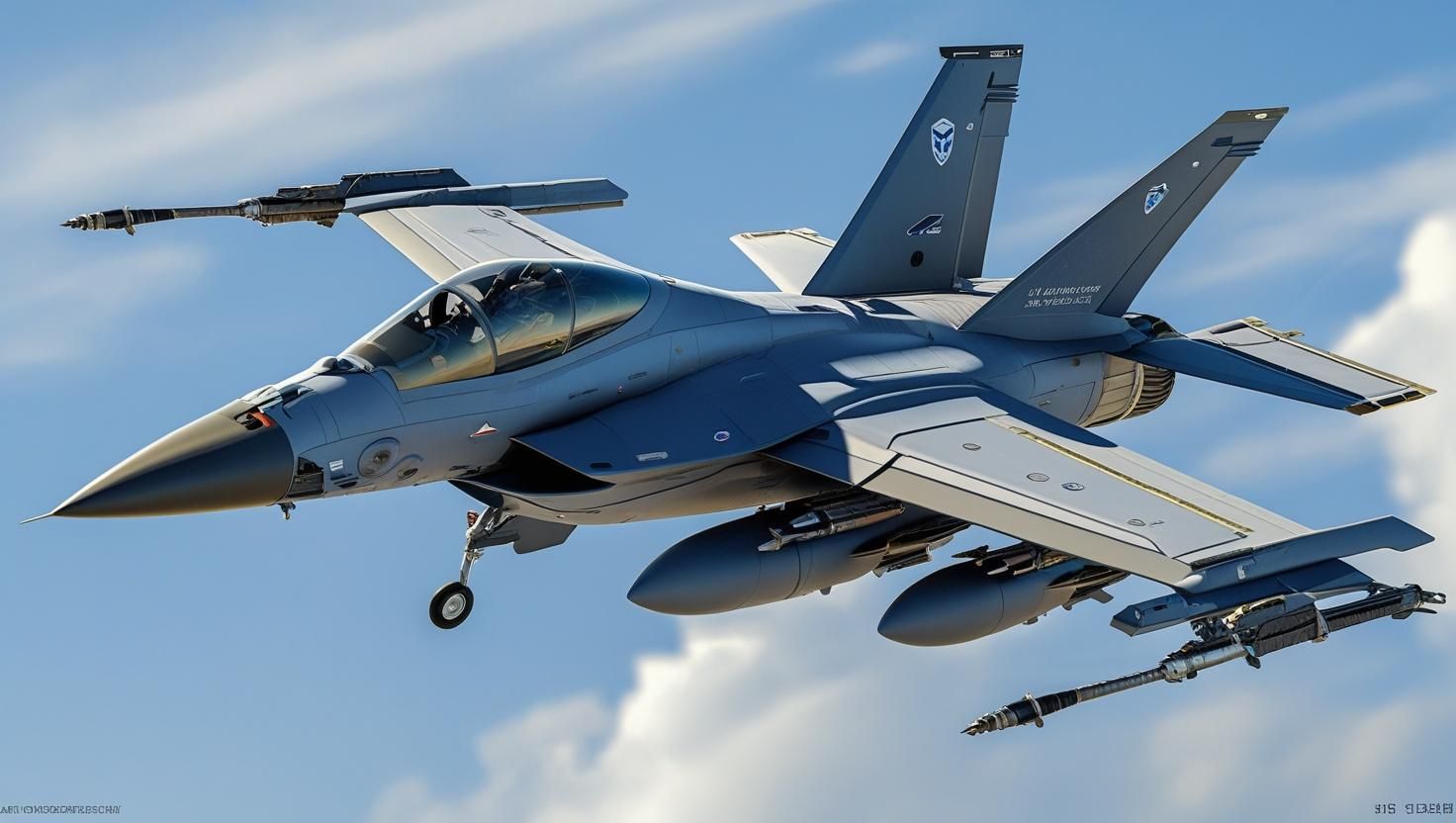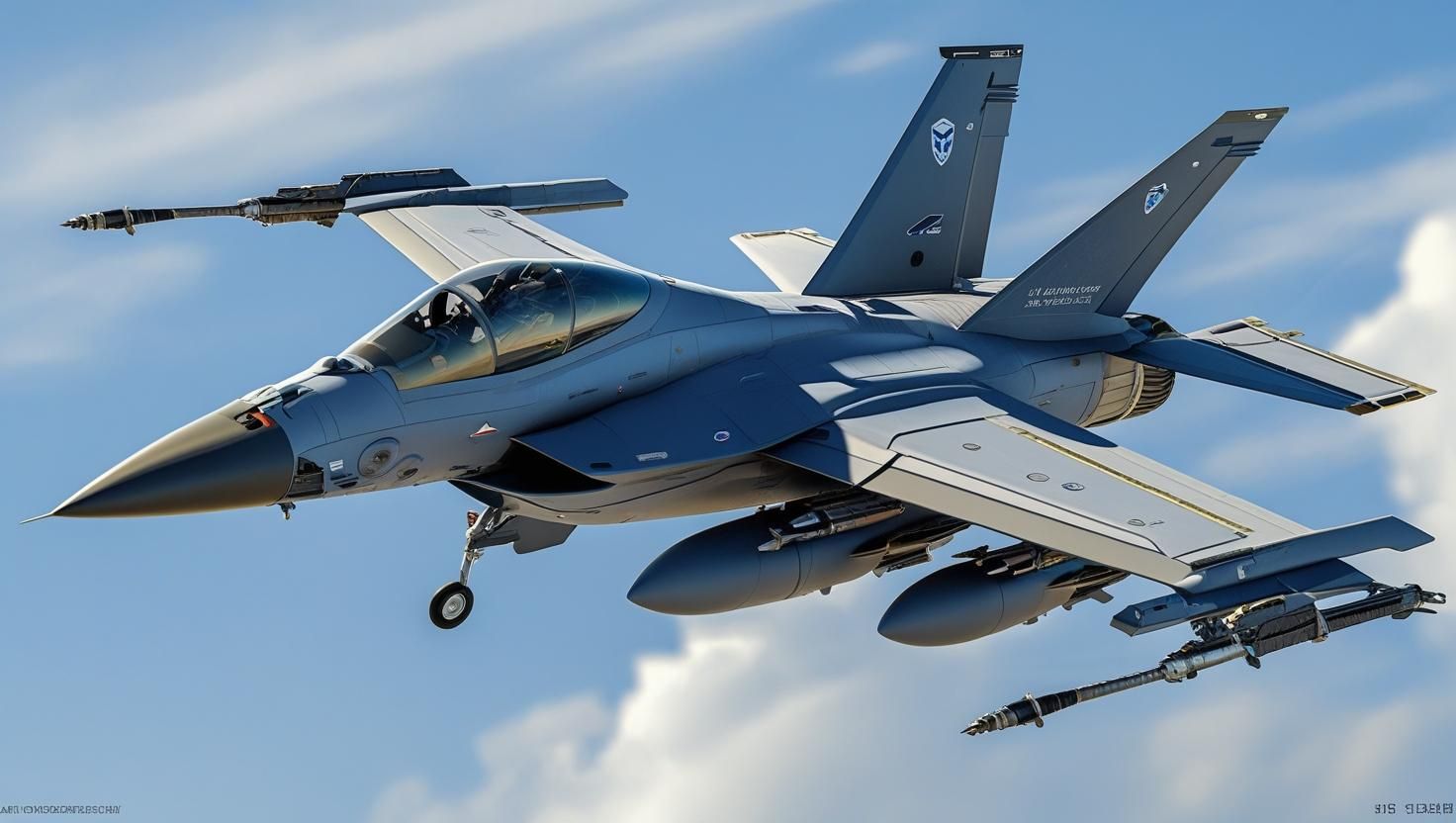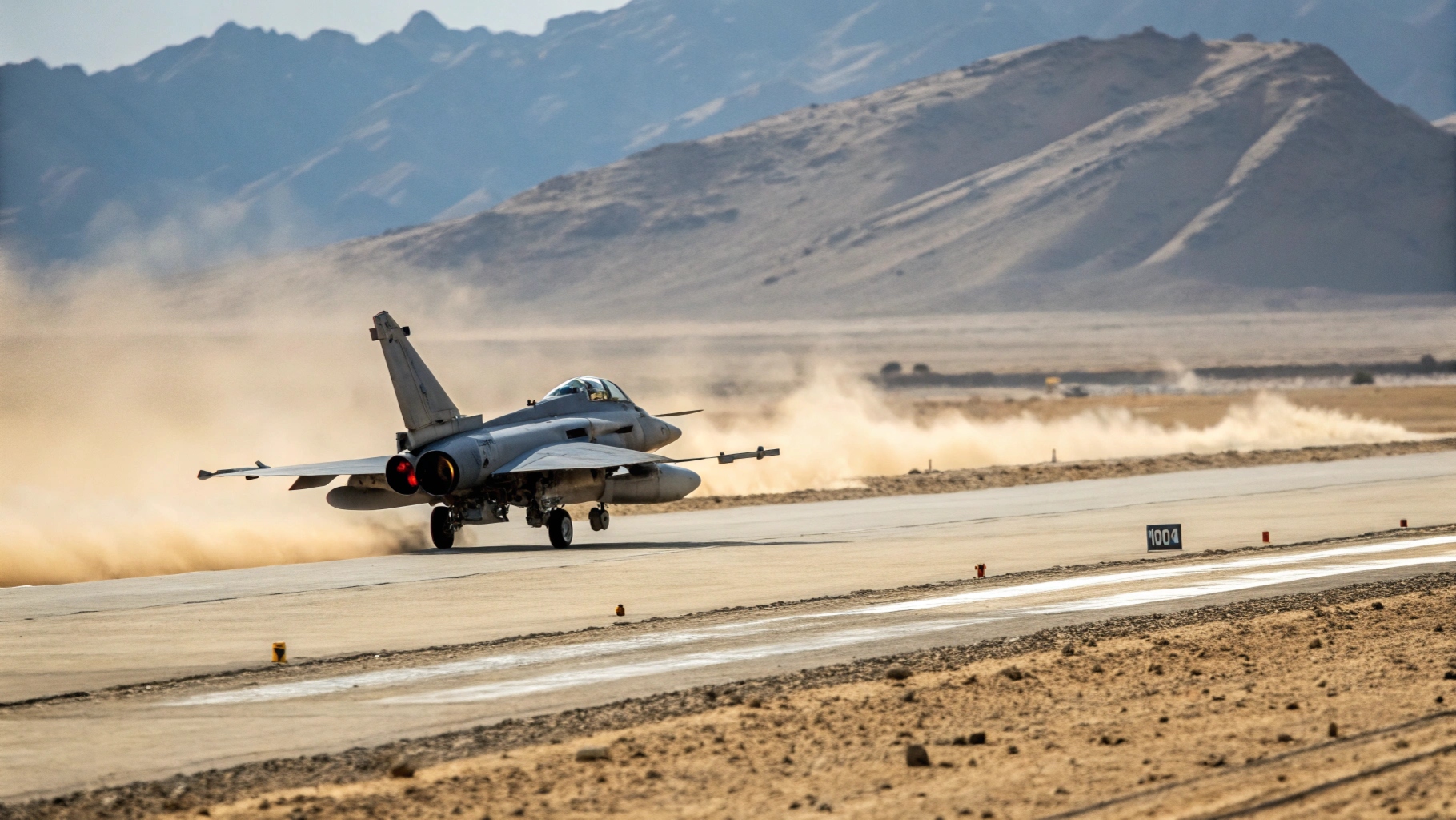
Poland is preparing to receive the first batch of Lockheed Martin F-35 stealth fighter aircraft under a landmark defense agreement signed with the United States, reinforcing Warsaw’s long-term effort to modernize its armed forces and strengthen deterrence capabilities along NATO’s eastern flank. The announcement was made by Polish Defense Minister Wladyslaw Kosiniak-Kamysz at a time of heightened geopolitical tensions in Eastern Europe, particularly due to the continuing Russia-Ukraine conflict and growing concerns regarding regional security. Poland signed the $4.6-billion agreement in 2020 during the first administration of US President Donald Trump, committing to the acquisition of 32 fifth-generation F-35 fighter jets, with all deliveries expected to be completed by 2029. The aircraft will significantly enhance Poland’s air combat capabilities through advanced stealth technology, sensor fusion, network-centric warfare integration, and precision strike capabilities, allowing the Polish Air Force to operate alongside the most advanced NATO air forces. The development comes amid renewed attention on the US military presence in Eastern Europe after Trump announced plans to deploy an additional 5,000 American troops to Poland. The statement appeared to reverse an earlier proposal to halt the deployment of approximately 4,000 troops, a move that had raised concerns among NATO allies regarding Washington’s commitment to the alliance. NATO Secretary General Mark Rutte and Polish Foreign Minister Radoslaw Sikorski both welcomed the troop deployment announcement, describing it as a strong signal of transatlantic solidarity. Poland has emerged as NATO’s leading defense spender relative to GDP, allocating more than 4.8 percent of its economic output to military modernization in 2026. Warsaw has accelerated procurement programs involving advanced fighter aircraft, tanks, missile systems, artillery, and air defense platforms, sourcing many systems from the United States and South Korea. The induction of the F-35 fleet is expected to become a central pillar of Poland’s future airpower strategy, strengthening NATO interoperability and improving the alliance’s operational posture in Central and Eastern Europe.