Future wars are unlikely to be decided by static defensive positions alone. Instead, they will be
shaped by layered networks of unmanned systems that can detect, track, jam and destroy enemy
formations long before they reach the contact line. As the Indian Army transitions toward
Integrated Battle Groups (IBGs), one concept that deserves serious attention is the creation of a
40-km-deep unmanned kill web combining intelligence, surveillance, reconnaissance (ISR),
loitering munitions, FPV drones, electronic warfare and counter-drone systems.
Rather than viewing the battlefield as a single front line, the concept divides it into multiple
engagement belts extending from the contact line to roughly 40 kilometres into enemy-held
territory. Every layer performs a specific function, ensuring attackers are continuously detected,
disrupted and attrited before launching an assault.
The outermost layer would focus on persistent ISR. Long-endurance drones equipped with
electro-optical, infrared and synthetic aperture radar payloads could monitor enemy assembly
areas, logistics nodes and artillery positions. This intelligence would feed directly into command
networks, allowing IBGs to identify concentrations of armour, mechanised infantry and missile
launchers well before they begin offensive operations.
Once hostile forces are detected, the next layer would consist of long-range loitering munitions
and precision artillery. Rather than waiting for enemy formations to approach Indian positions,
autonomous strike systems could engage artillery batteries, command vehicles, air-defence radars
and ammunition depots deep behind the front. Destroying these high-value targets early would
significantly reduce the combat power available to an advancing force.
As enemy columns move closer, the emphasis would shift toward disrupting logistics. FPV drones,
autonomous strike UAVs and precision-guided munitions could target fuel tankers, engineering
vehicles, bridge-laying equipment and supply convoys. Modern mechanised formations depend
heavily on uninterrupted logistics, and sustained drone attacks against these assets could slow or
even halt an offensive without engaging frontline combat units directly.
The final defensive belts would become increasingly dense with short-range FPV drones, loitering
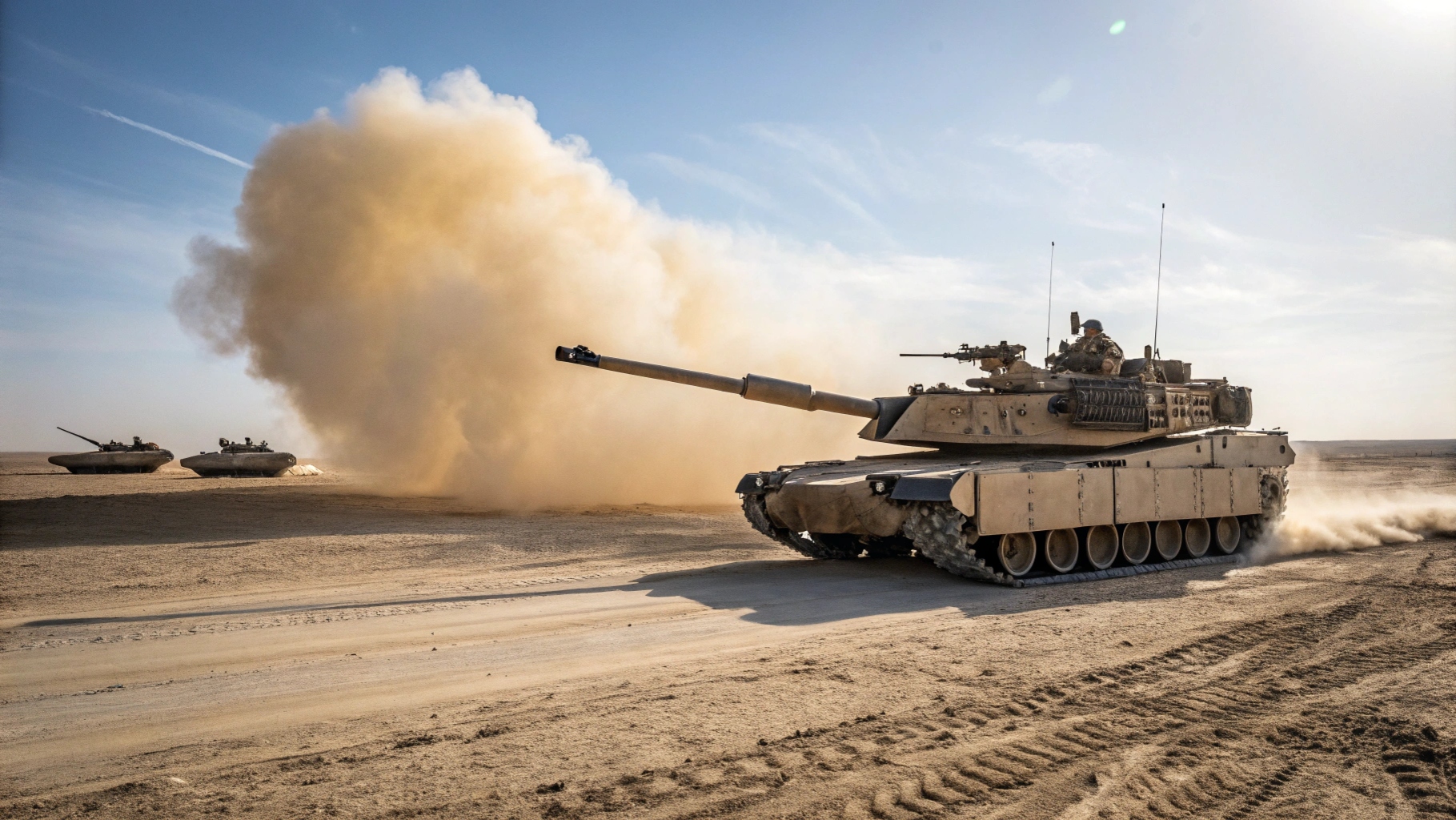
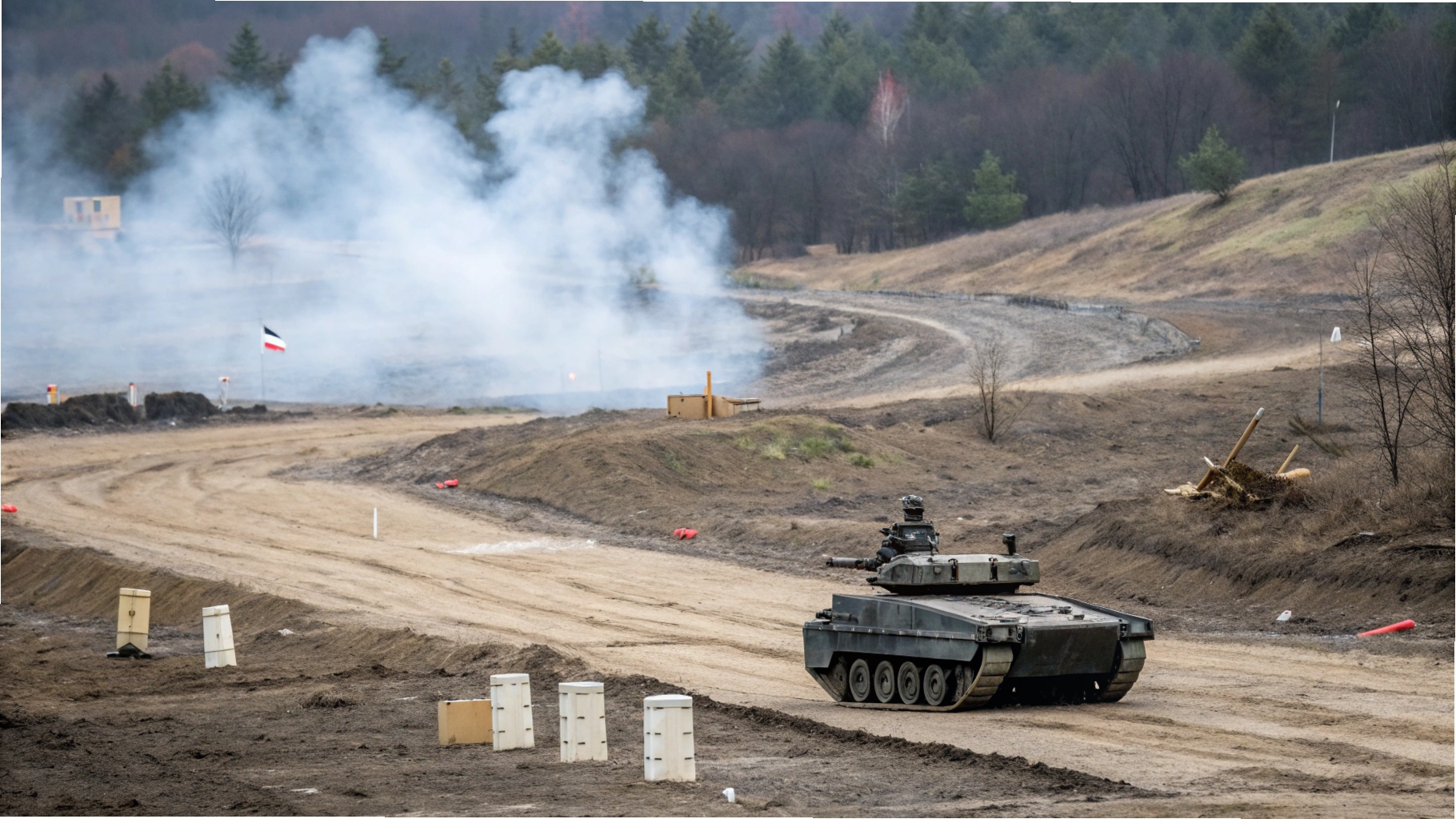
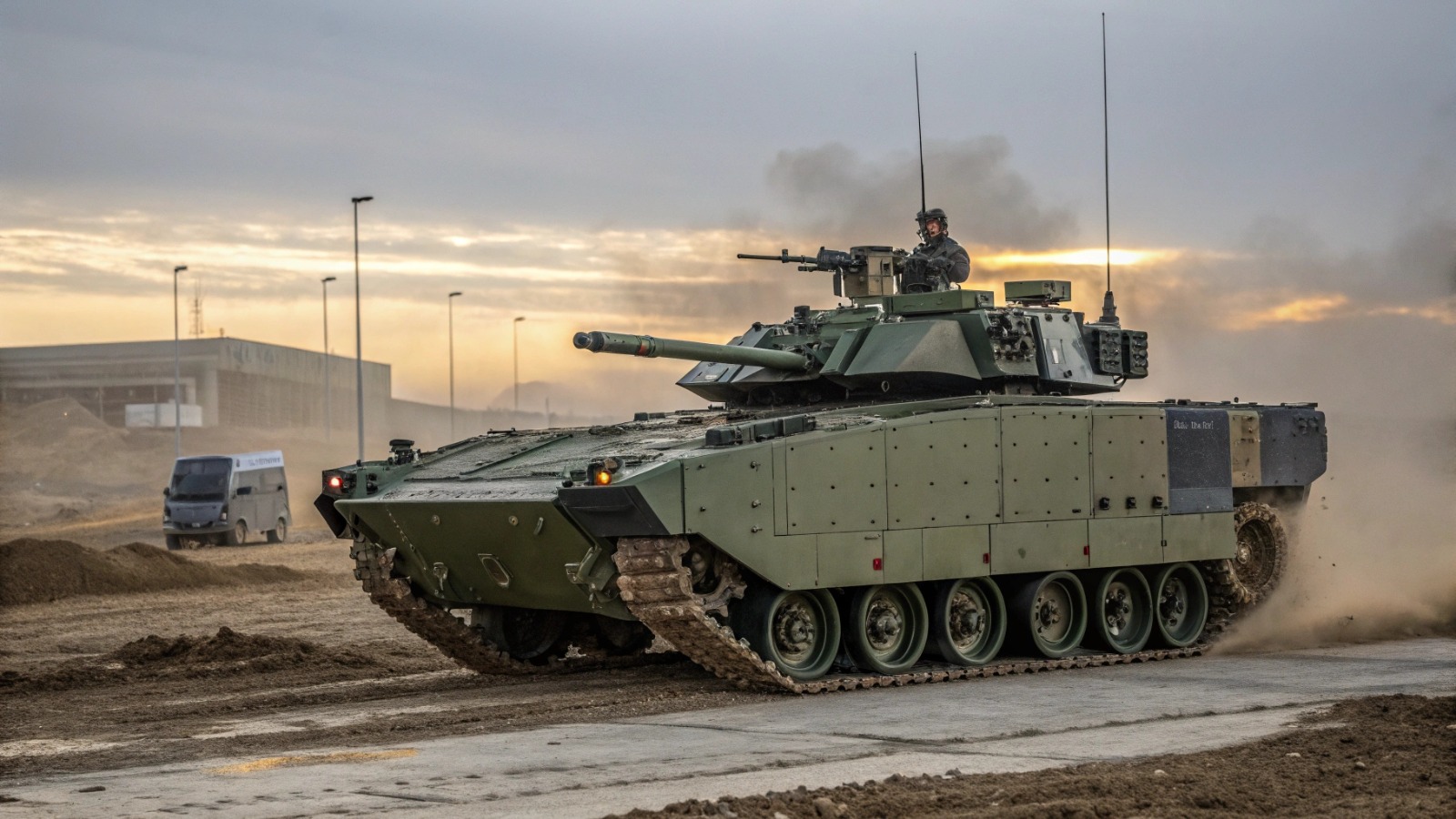
munitions and anti-armour systems. Swarms of inexpensive FPV drones could engage tanks,
infantry fighting vehicles and assault engineers attempting to breach defensive positions. Because
FPV drones are relatively low-cost compared to tanks or armoured vehicles, they offer defenders
an economically favourable way to impose heavy losses on attacking forces.
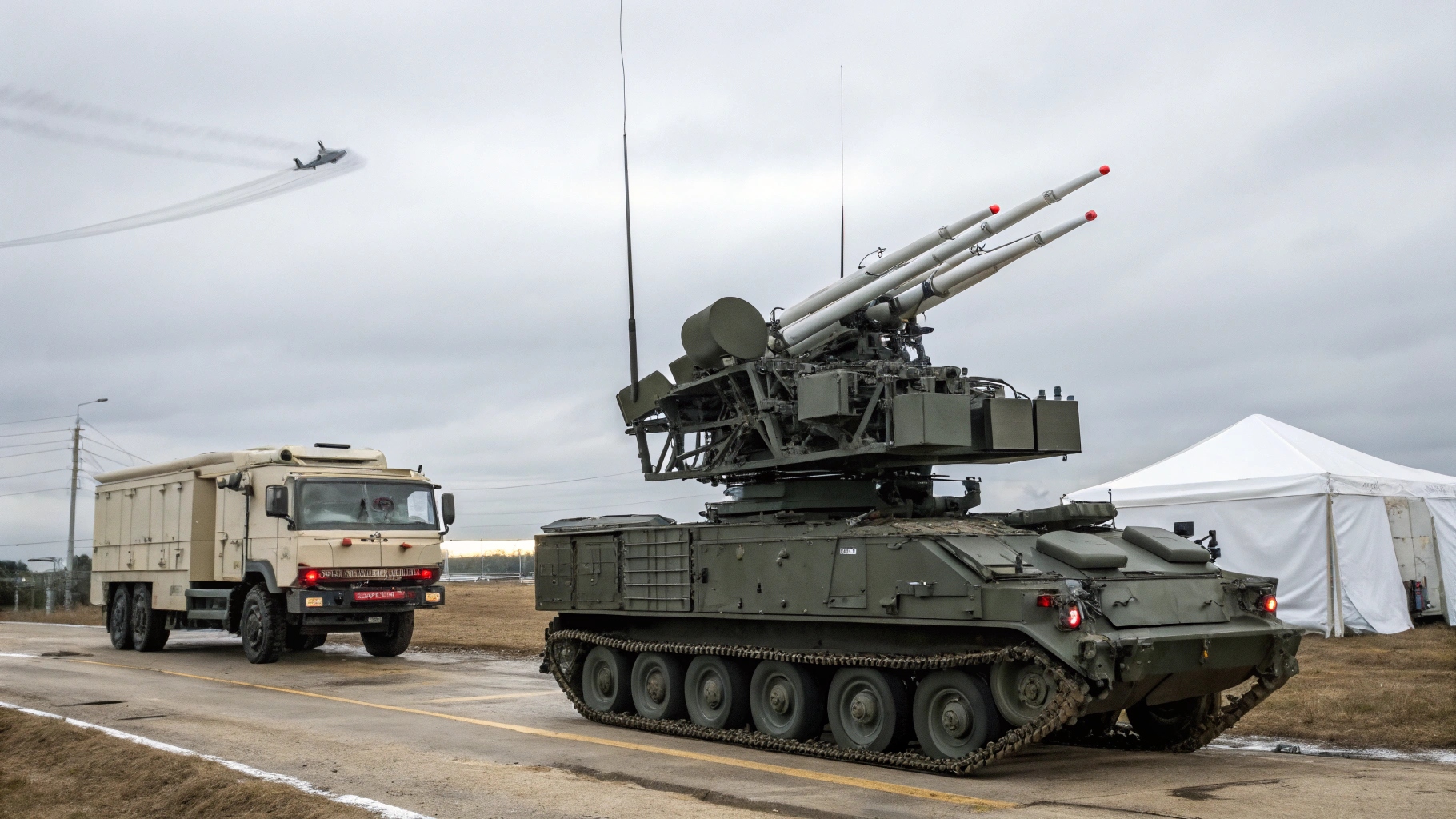
Equally important would be the integration of counter-unmanned aerial systems (C-UAS). Every
layer of the kill web would require electronic warfare systems capable of detecting, jamming or
neutralising hostile drones. Mobile anti-drone radars, radio-frequency jammers, directed-energy
weapons and interceptor drones could create protected corridors for Indian forces while denying
similar advantages to the adversary.
Artificial intelligence would serve as the backbone of this architecture. Thousands of sensors,
drones and ground systems would continuously generate enormous volumes of battlefield data.
Al-enabled command systems could automatically prioritise targets, allocate weapons, coordinate
drone swarms and recommend engagement sequences within seconds, significantly compressing
the sensor-to-shooter cycle.
Such a layered defence would also complement India’s ongoing investments in indigenous drone
technologies. Systems developed by DRDO and Indian private industry—including ISR UAVs,
loitering munitions, autonomous logistics drones and electronic warfare platforms—could all
contribute to different layers of the kill web. Combined with satellite imagery, battlefield
communication networks and integrated fire-control systems, these assets would enable IBGs to
operate as highly networked combat formations.
The objective is not merely to stop an enemy at the front line but to degrade combat power
continuously across depth. By the time hostile forces reach Indian defensive positions, they would
ideally have already suffered losses in reconnaissance assets, logistics, artillery, command
networks and armoured spearheads.