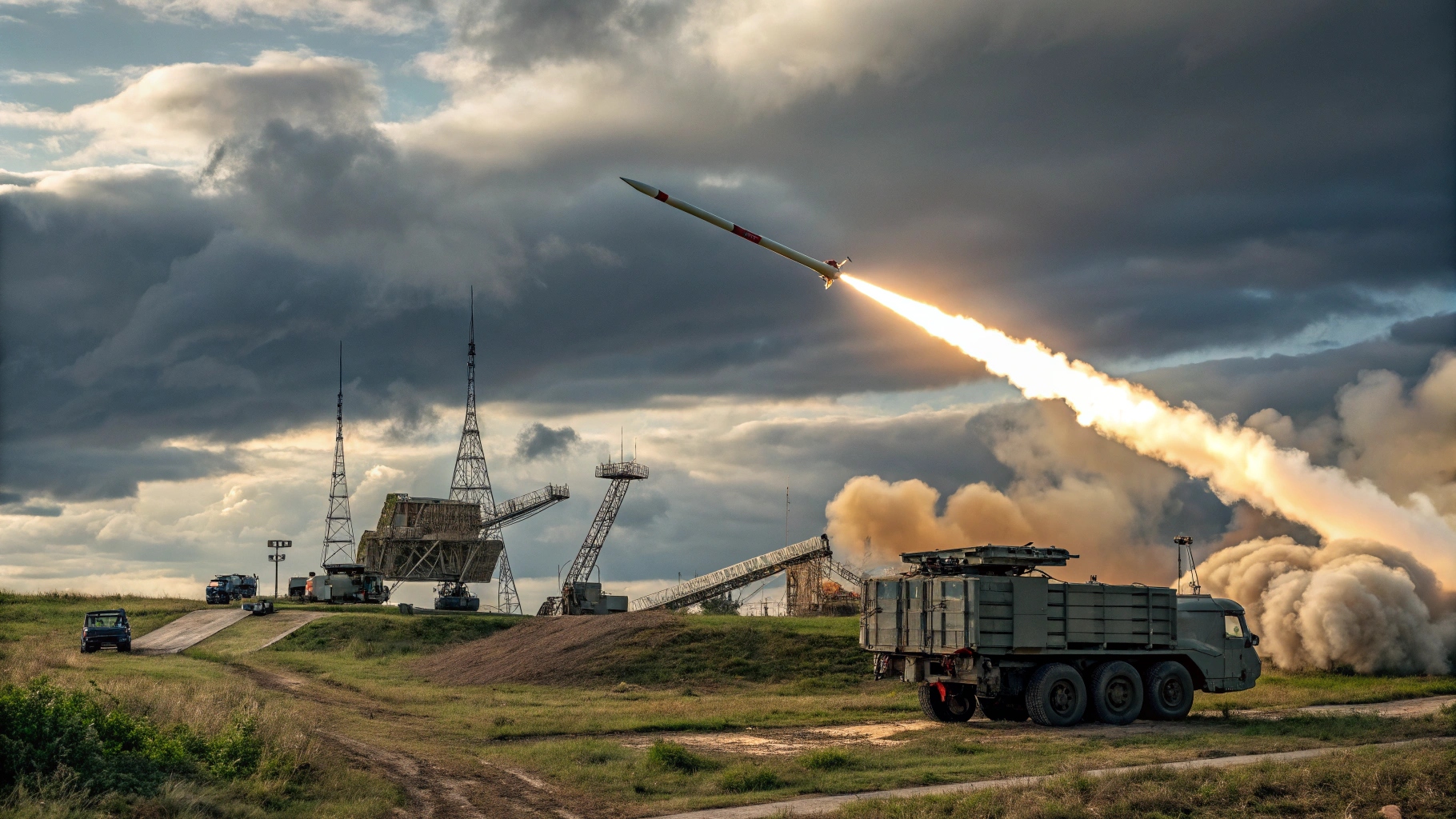
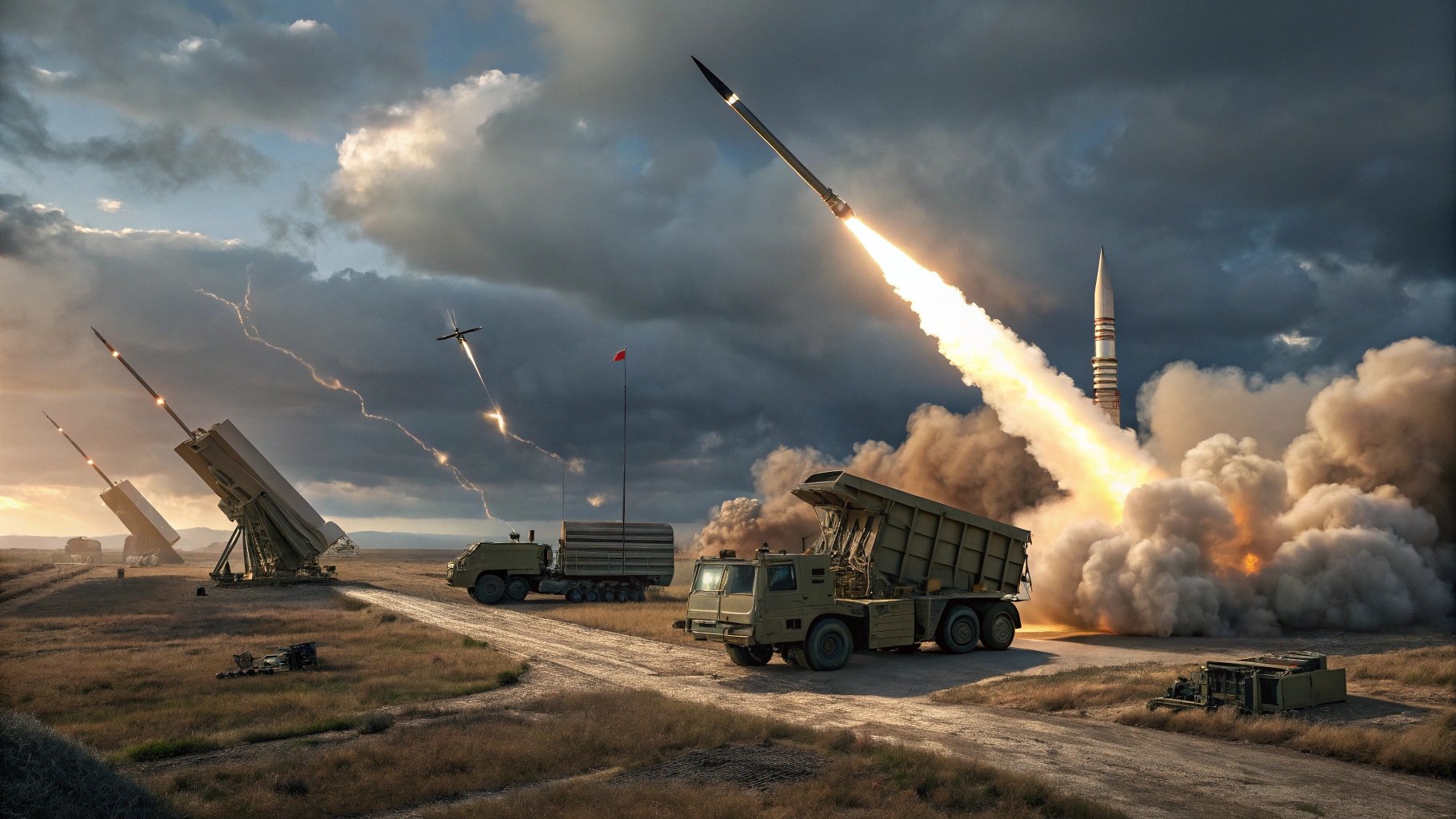
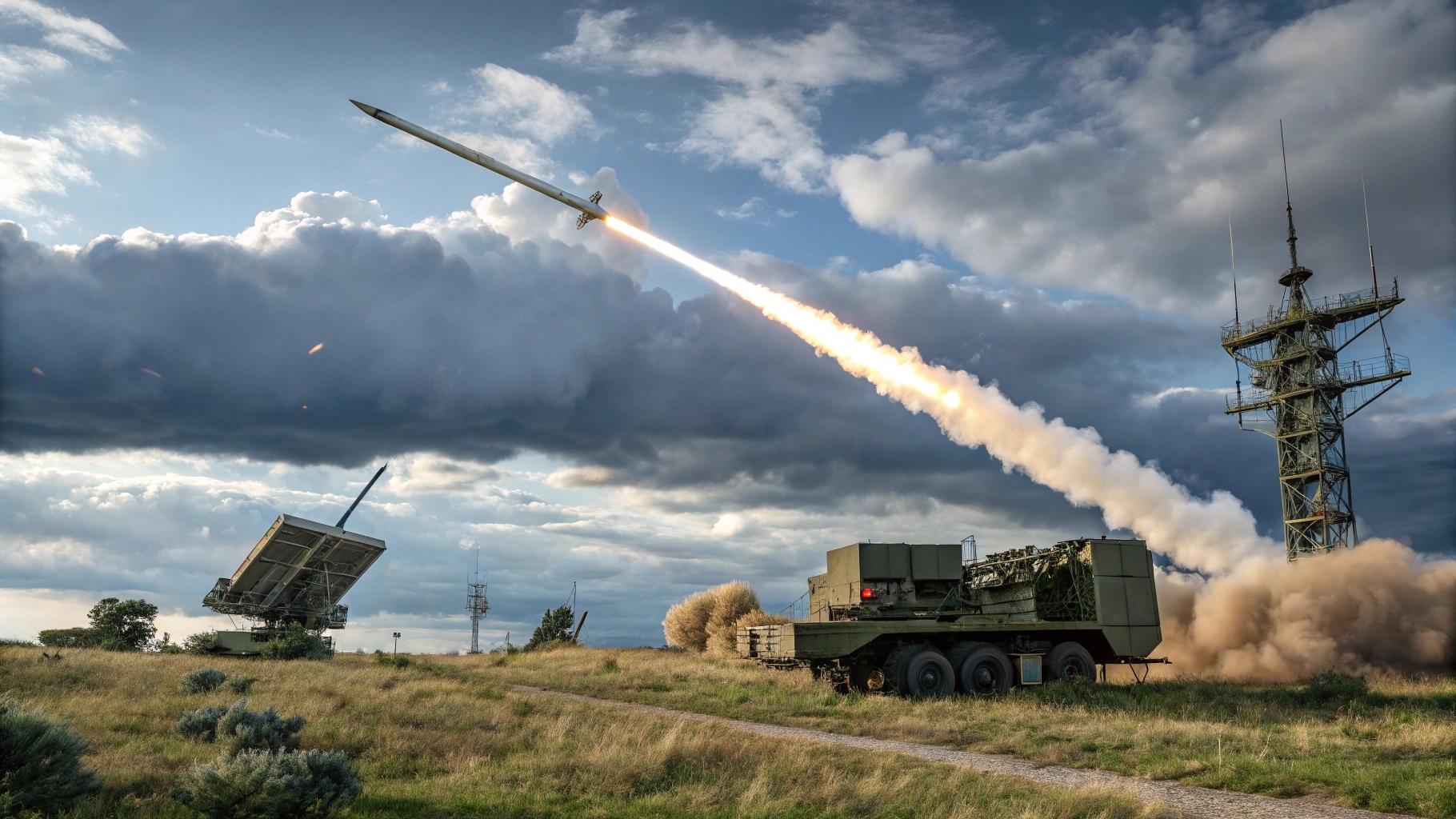
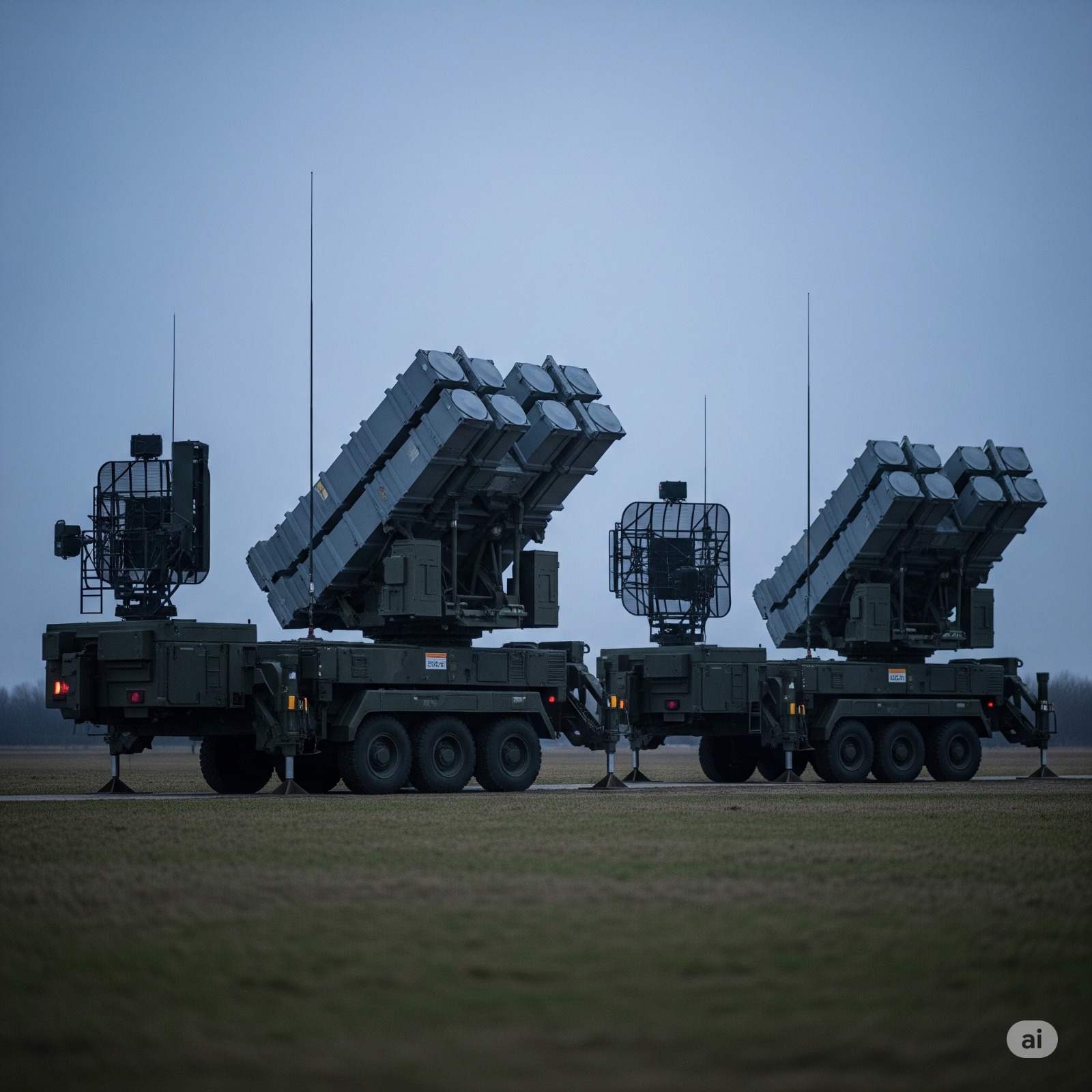
The US Missile Defense Agency’s decision to expand its contract with Northrop Grumman for the Glide Phase Interceptor (GPI) program reflects a major strategic investment in countering next-generation hypersonic threats. The contract modification, valued at $475 million, increases the total program cost to approximately $1.31 billion, with development targeted for completion by mid-2028. The GPI is specifically engineered to address a critical vulnerability in existing missile defense systems—the glide phase of hypersonic weapons, during which they travel at extreme speeds along the edge of space, making them difficult to track and intercept. Northrop Grumman’s role includes refining the interceptor’s preliminary design and validating its performance under hypersonic conditions. The program also demonstrates international collaboration, particularly with Japan’s Ministry of Defense, which is contributing propulsion technologies. The interceptor is designed for deployment from Aegis-equipped destroyers and Aegis Ashore systems, ensuring compatibility with existing naval missile defense infrastructure. Technologically, the GPI incorporates advanced seekers for precision tracking and hit-to-kill capability, along with a re-ignitable propulsion stage to maintain engagement flexibility. The system’s dual engagement mode allows it to operate effectively across multiple altitude bands, addressing diverse threat profiles. Expected to reach initial operational capability by 2029, the GPI is a cornerstone in future missile defense architecture. Its development highlights the urgency of adapting to evolving threats and maintaining technological superiority in missile defense systems.