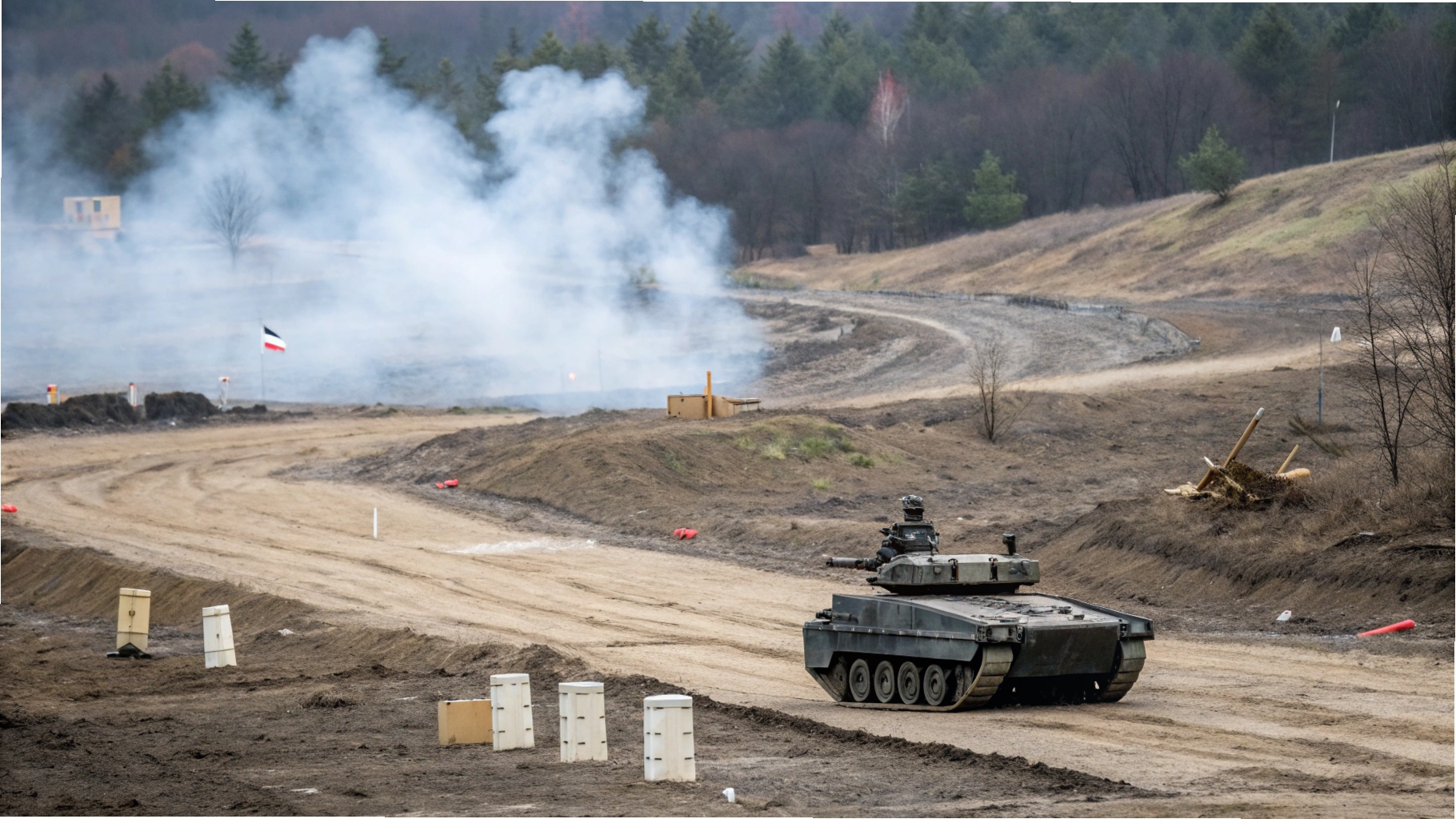
New drone-detection systems using acoustic sensing and electronic warfare methods are undergoing evaluation in Poland under the country’s East Shield defense program. The trials involve seven reconnaissance platforms capable of locating drones by interpreting their sound patterns. Rather than relying solely on radar, the systems listen for distinctive audio signatures produced by motors, propellers, and flight behavior, enabling real-time detection and tracking of incoming unmanned aircraft. This approach may prove effective against small drones that are harder to detect through conventional means. Polish authorities are developing East Shield as a comprehensive border fortification concept that combines surveillance, deterrence, and rapid response assets. Acoustic sensors can provide an additional detection layer in forests, urban zones, or weather conditions that reduce optical visibility. When paired with electronic warfare systems, identified drones could potentially be jammed, diverted, or neutralized. The initiative reflects growing concern across Europe over drone incursions, intelligence gathering, and strike threats. Recent wars have demonstrated how inexpensive UAVs can challenge traditional defense systems. Poland’s ongoing tests are likely to influence future procurement decisions and could lead to broader deployment of sensor networks designed to secure border regions, military sites, and strategic infrastructure.