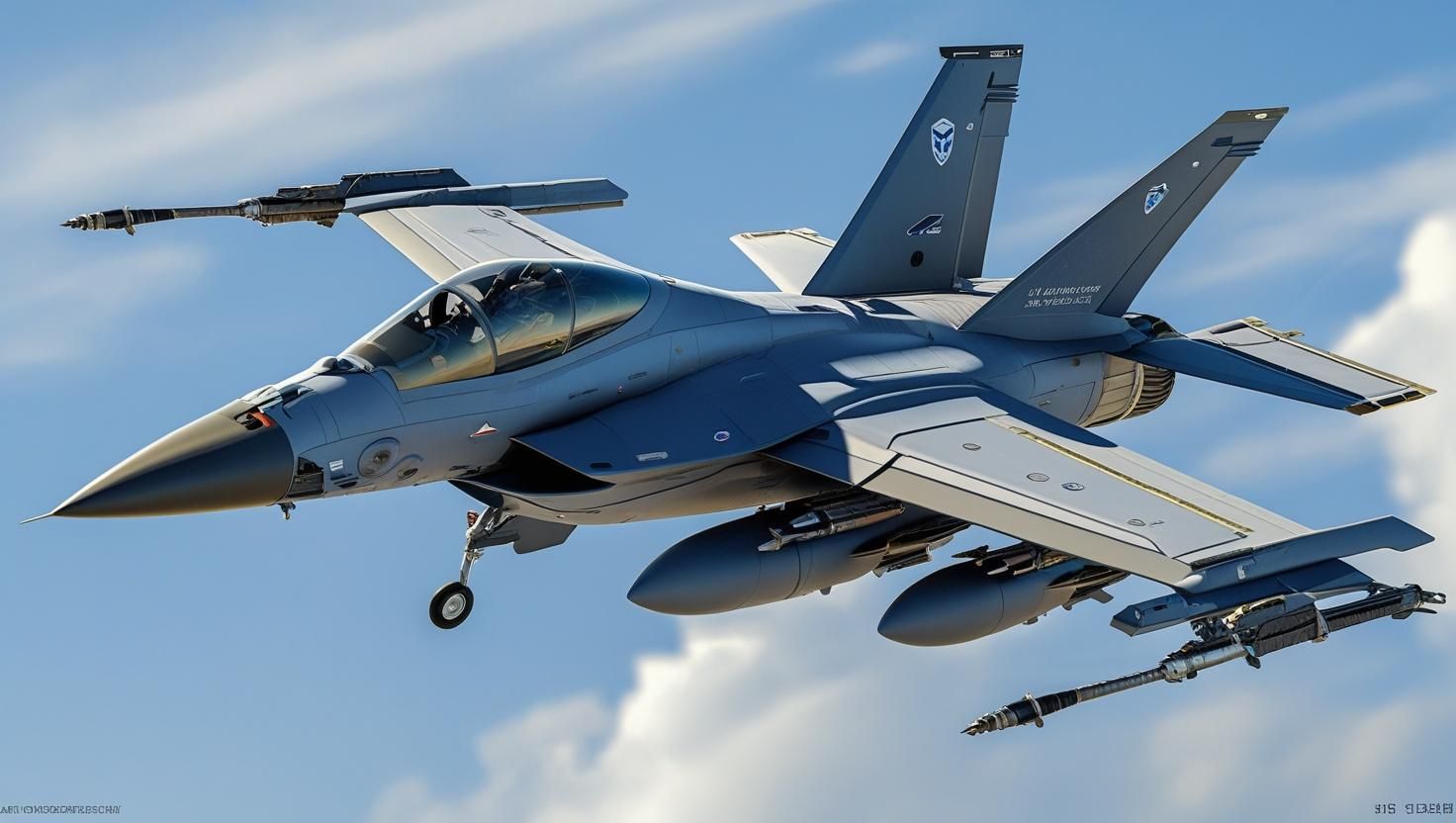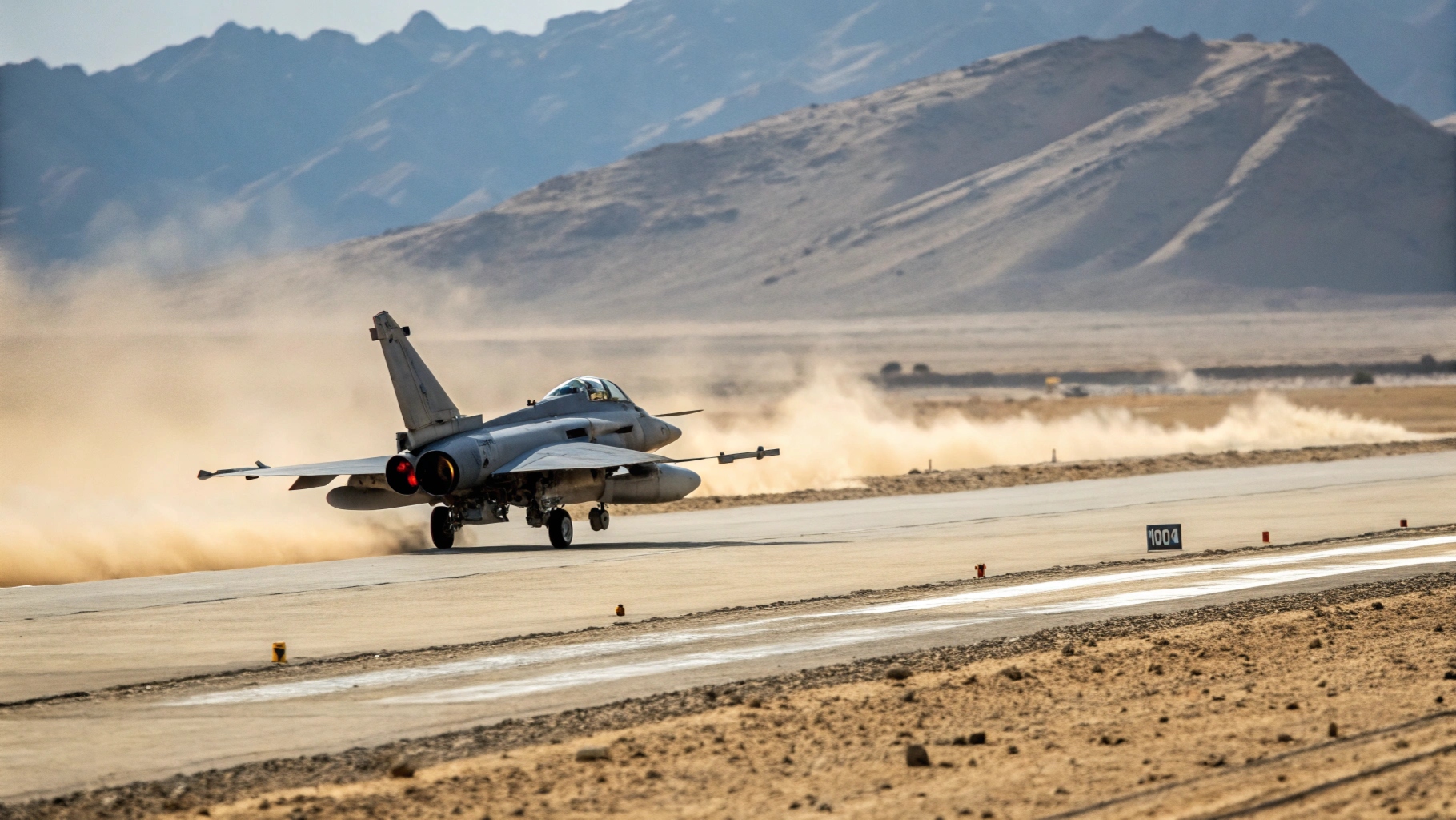
In a significant development for India’s indigenous defence aviation sector, CSIR-Central Scientific Instruments Organisation (CSIR-CSIO) and Bharat Electronics Limited (BEL) have partnered to develop an indigenous Pilot Display Unit (PDU) for the Hawk Mk132 Advanced Jet Trainer used by the Indian Air Force and Indian Navy. The project supports the government’s Make-in-India and Atmanirbhar Bharat initiatives aimed at reducing dependence on imported aerospace technologies. The new system is expected to replace imported Head-Up Display (HUD) components currently installed on the Hawk fleet with a domestically produced solution tailored to Indian operational requirements. Under the agreement, CSIR-CSIO’s research and prototype development will be integrated with BEL’s manufacturing expertise to create production-ready cockpit display systems. The PDU will function as an advanced Head-Up Display positioned directly in front of the pilot, projecting critical flight and mission information into the pilot’s forward line of sight. This reduces the need for pilots to frequently look down at cockpit instruments during high-speed missions. The display will provide key flight data including altitude, airspeed, angle of attack, artificial horizon indicators, navigation guidance, and landing assistance. By presenting real-time telemetry directly to the pilot, the system enhances situational awareness and reduces pilot workload during training and operational missions. The indigenous PDU will also feature advanced dual-mode functionality. In Raster Mode, it can display live thermal and infrared imagery from external targeting or surveillance pods, improving night operation capability and target identification. The Mixed Mode will integrate infrared imagery with targeting indicators, weapon aiming cues, and flight telemetry into a unified combat display environment. The system also includes a Stand-by-Sight backup mode capable of maintaining essential flight information during avionics or mission computer failures, improving safety and reliability. The project is expected to support HAL’s Hawk-i upgrade initiative focused on enhancing combat training and light attack capabilities through indigenous avionics and mission systems.