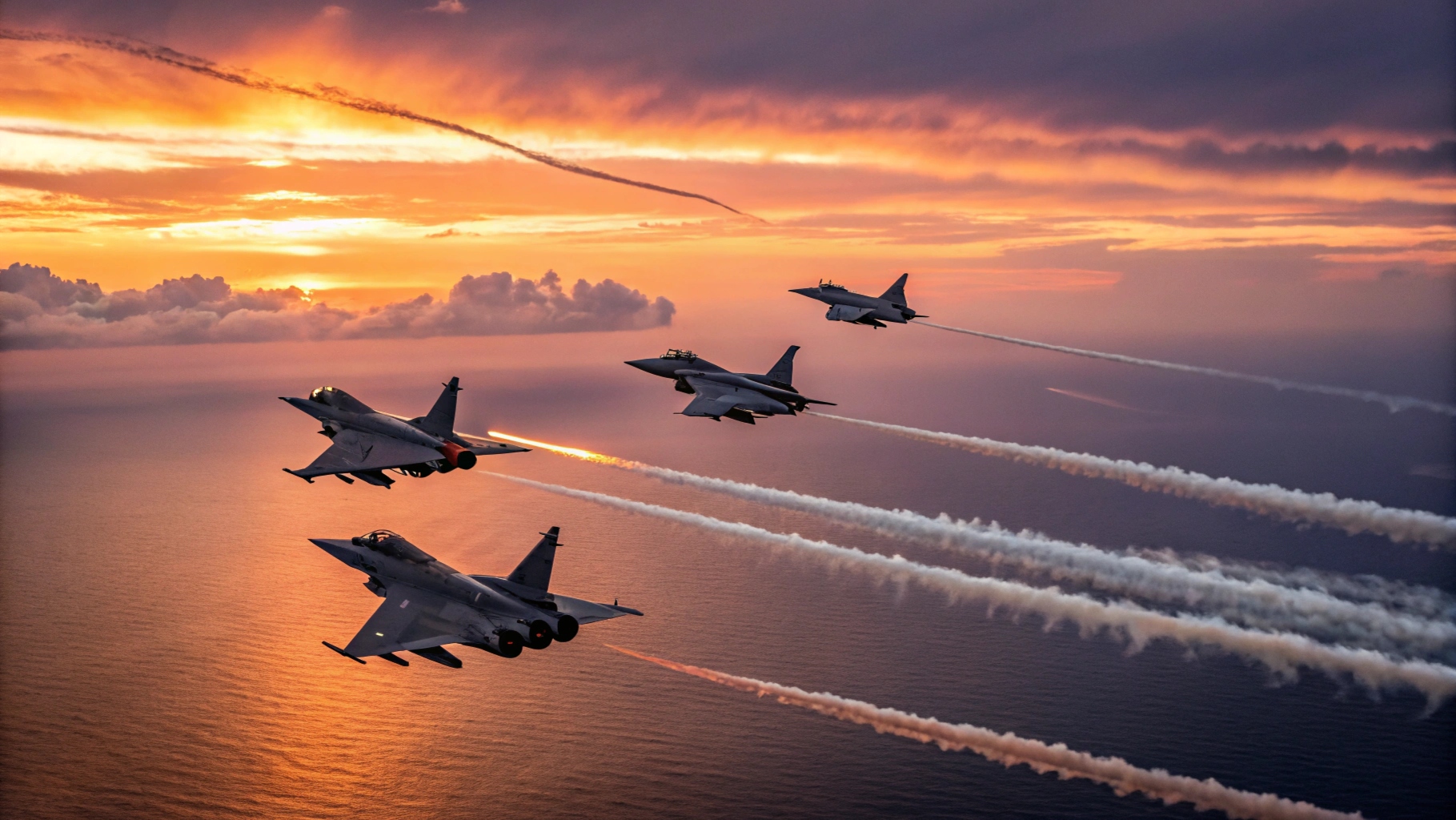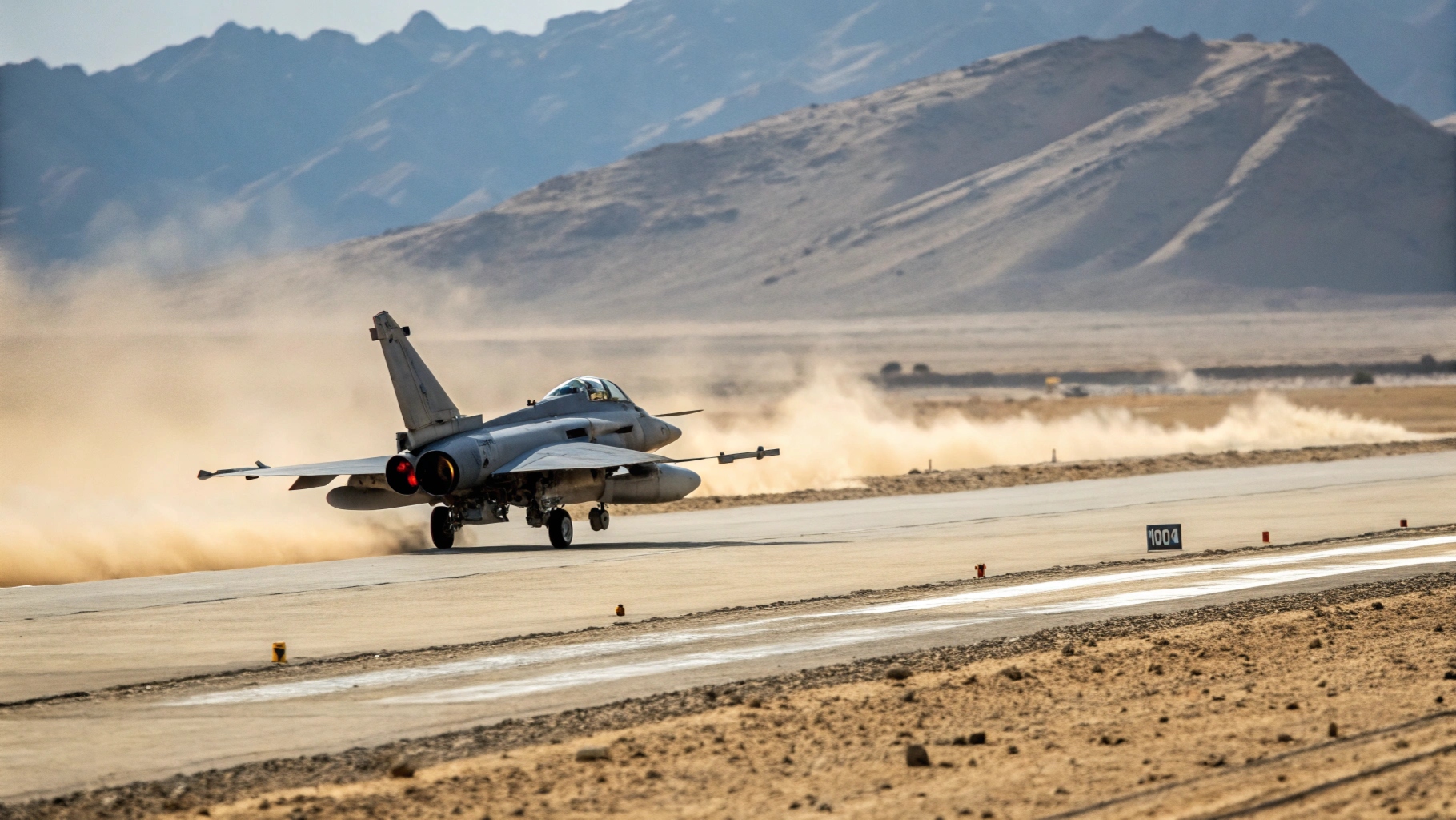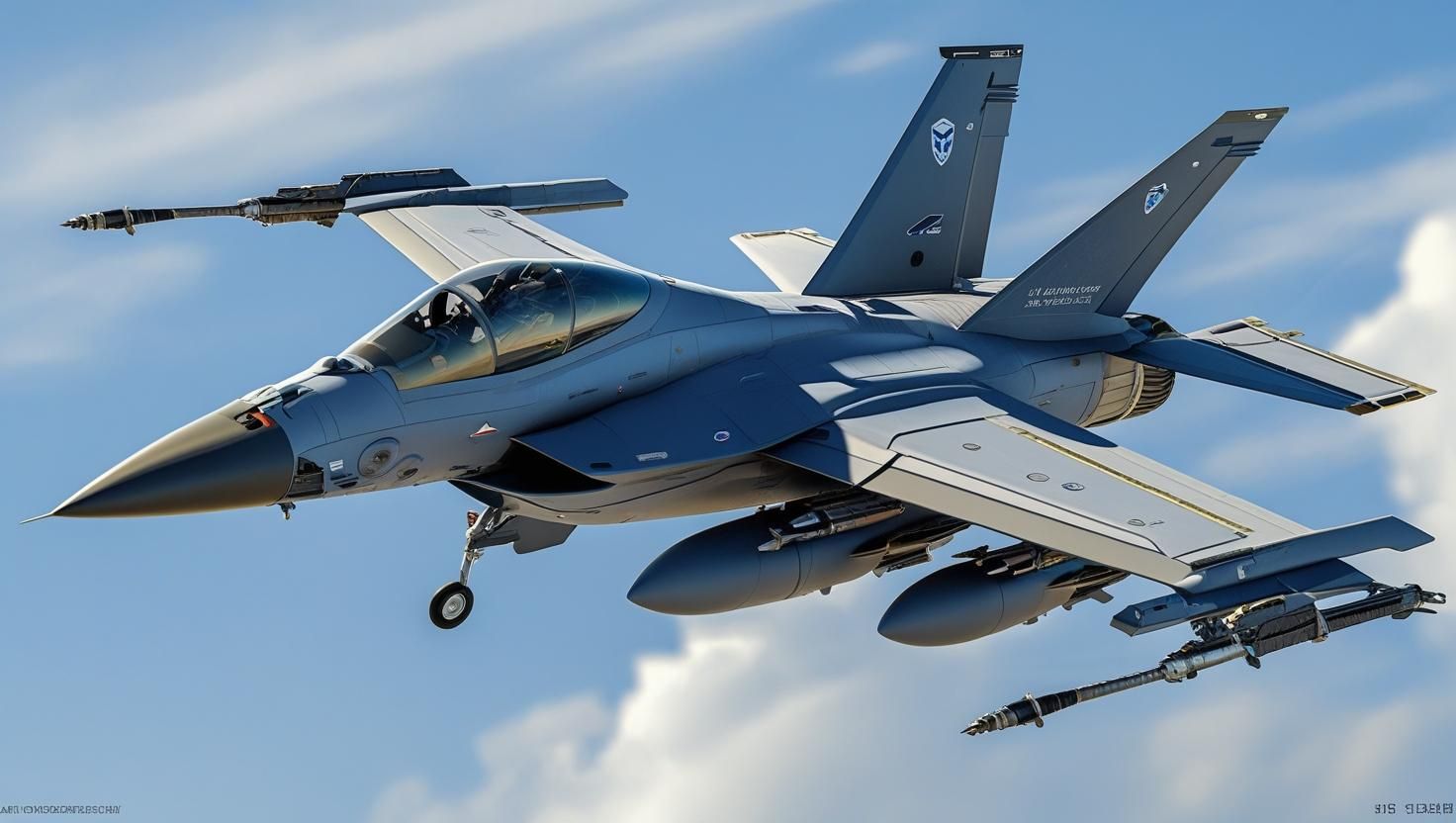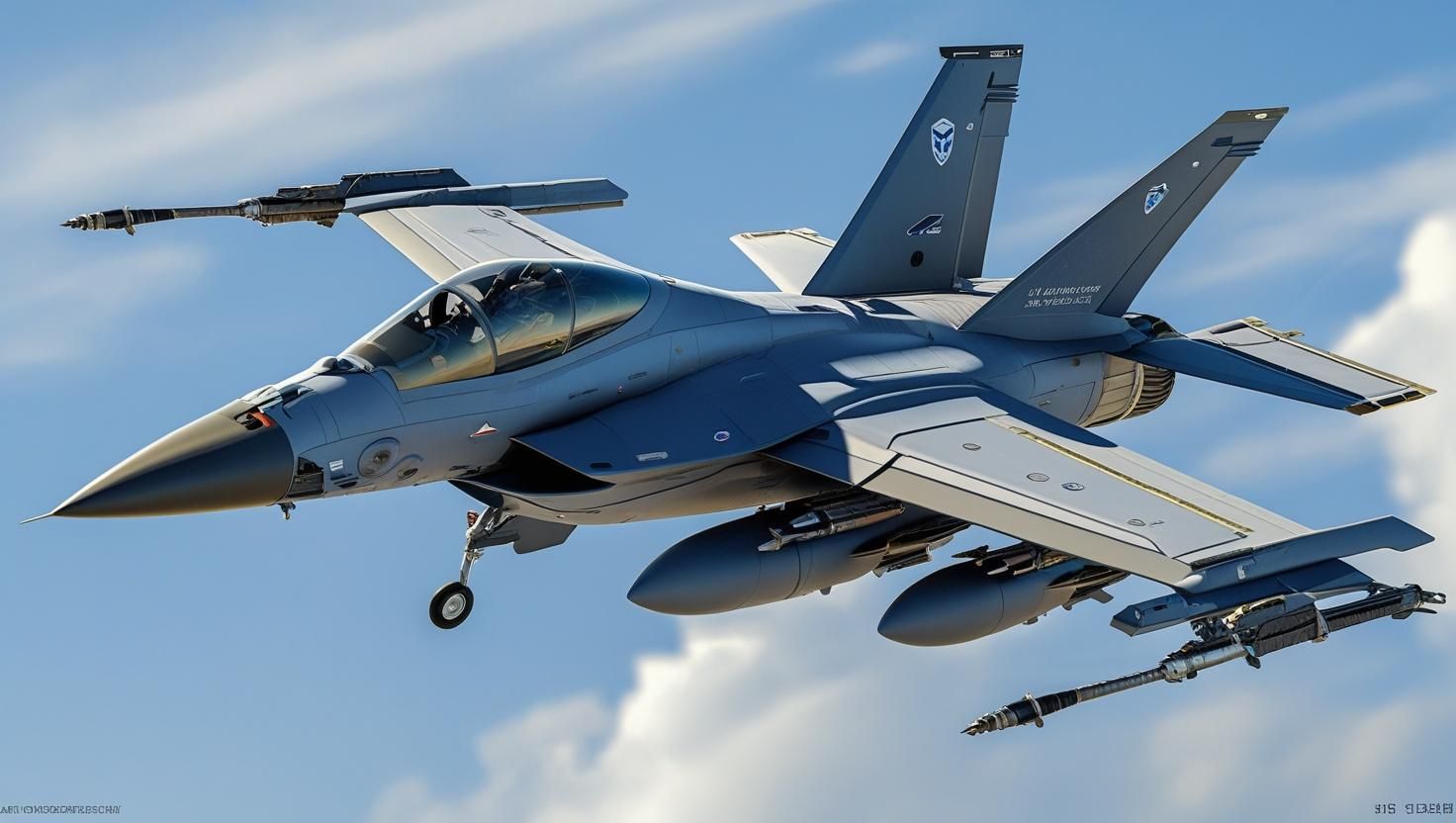
Japan has initiated Operation “Atlantic Eagles,” deploying a contingent of aircraft and personnel to strengthen its defense ties with NATO. The mission involves 180 troops and eight aircraft, including four F-15 fighters, two C-2 transport planes, and two tankers—a KC-767 and KC-46A. Running from mid-September to early October, the operation features stops at NATO bases in North America and Europe, beginning with the US’ Eielson Air Force Base and Canada’s Goose Bay before moving on to Germany’s Laage Air Base and the UK’s RAF Coningsby and Brize Norton. Tokyo views this operation as a symbol of its recognition that security challenges in the Indo-Pacific and Euro-Atlantic regions are deeply connected. The war in Ukraine and Russia’s reliance on support from North Korea, Iran, and China has sharpened Japan’s awareness of cross-regional threats. Historical animosities with Moscow, including disputes stretching back to the Russo-Japanese War and World War II, further reinforce these concerns. The operation also reflects a notable departure from Japan’s post-World War II defense posture. Traditionally bound by its pacifist constitution, Japan has in recent years taken steps to expand its military cooperation and capabilities. Earlier in 2024, Tokyo established its first permanent mission to NATO, underscoring this policy shift. Participation in NATO drills represents another milestone in this transition. Concurrently, Japan is conducting joint exercises with US forces from September 11 to 25, which have included the debut of the Typhon missile system on Japanese territory. This development has provoked criticism from Beijing, highlighting the geopolitical sensitivities at play. Through Operation Atlantic Eagles, Japan is not only strengthening interoperability with Western militaries but also demonstrating its readiness to assume a larger role in collective security. Analysts interpret the move as a strategic effort to embed Japan more deeply in global security frameworks while balancing regional challenges. The mission is both symbolic and practical, showcasing Japan’s evolving defense strategy at a moment of heightened international tension.