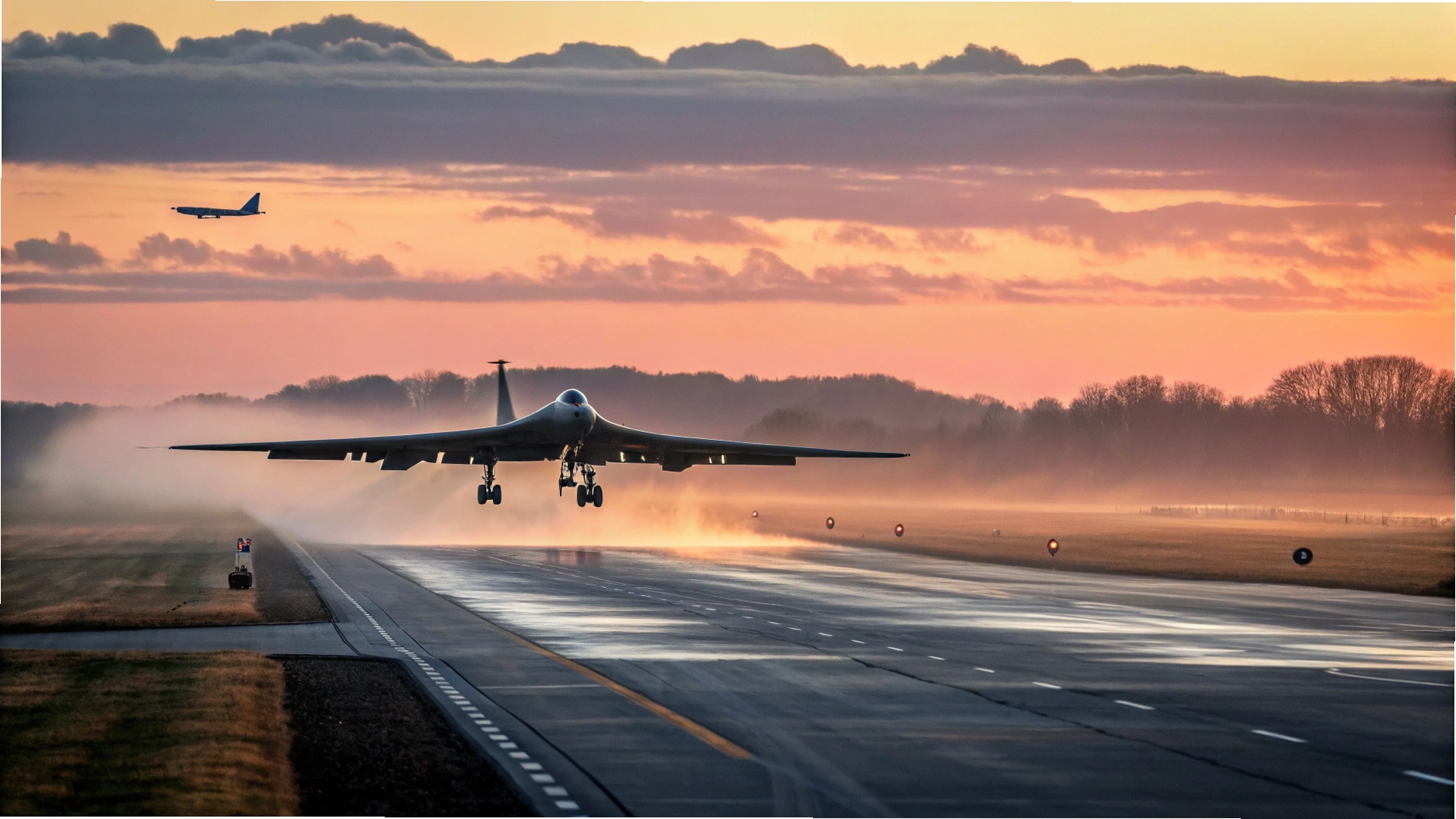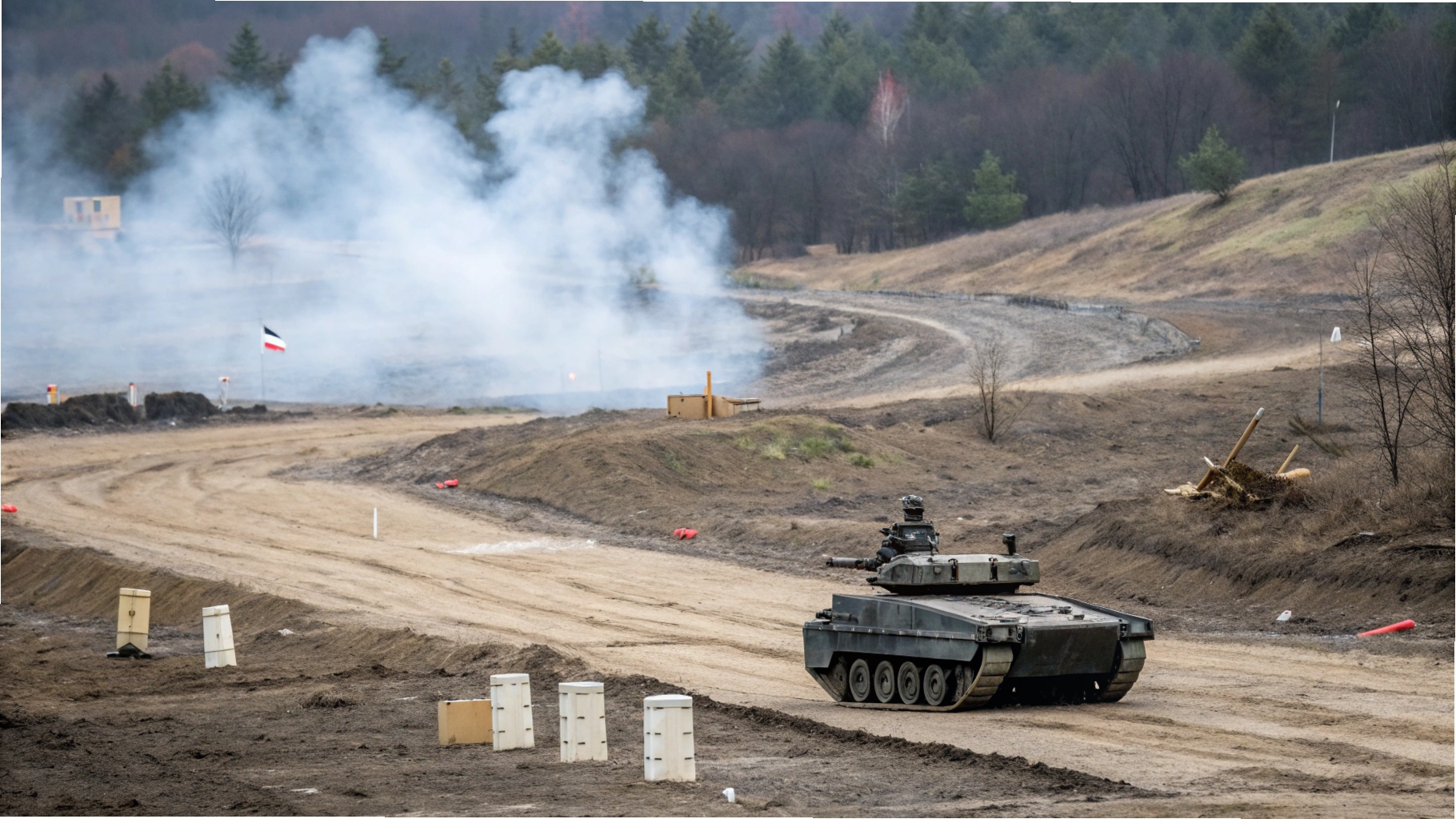
BAE Systems and Turkish Aerospace Industries (TAI) have formalized a strategic partnership through a new memorandum of understanding (MoU) to jointly develop advanced unmanned aerial systems (UAS). The agreement reinforces defense and industrial cooperation between the United Kingdom and Turkey, aiming to accelerate innovation in the design, production, and deployment of next-generation drones. The partnership seeks to identify and execute collaborative projects focused on scalable and cost-effective UAS solutions that meet operational demands for intelligence, surveillance, and strike capabilities. By combining BAE Systems’ advanced research in combat air and autonomous flight control with TAI’s strong manufacturing base and integration expertise, the collaboration aims to create a new generation of platforms for both domestic and international defense customers. BAE Systems has a longstanding record in autonomous aircraft development, having led projects such as the Mantis and Taranis, both of which pioneered AI-assisted flight technologies. The company continues to expand its unmanned portfolio through participation in the UK Future Combat Air System (FCAS), which integrates manned and unmanned assets—including the Tempest fighter and an emerging “loyal wingman” drone. Turkish Aerospace Industries, a key player in Turkey’s growing defense ecosystem, manufactures a range of UAS including the Anka and Aksungur, recognized for their reliability in long-endurance ISR missions. Its new Anka III drone features a stealthy flying-wing architecture optimized for electronic warfare and precision-strike roles, supporting Turkey’s ambition to enhance indigenous combat capabilities. The company is also developing advanced manned platforms such as the Kaan fifth-generation fighter and Hurjet light combat aircraft. The BAE–TAI collaboration represents a broader trend in allied defense partnerships that merge innovation, cost efficiency, and interoperability. It highlights growing synergies between European and Turkish defense industries, particularly in areas of autonomy, AI integration, and modular airframe design. As both nations seek to strengthen self-reliance and export competitiveness, the cooperation is expected to generate mutual benefits in capability development, industrial growth, and defense technology transfer.