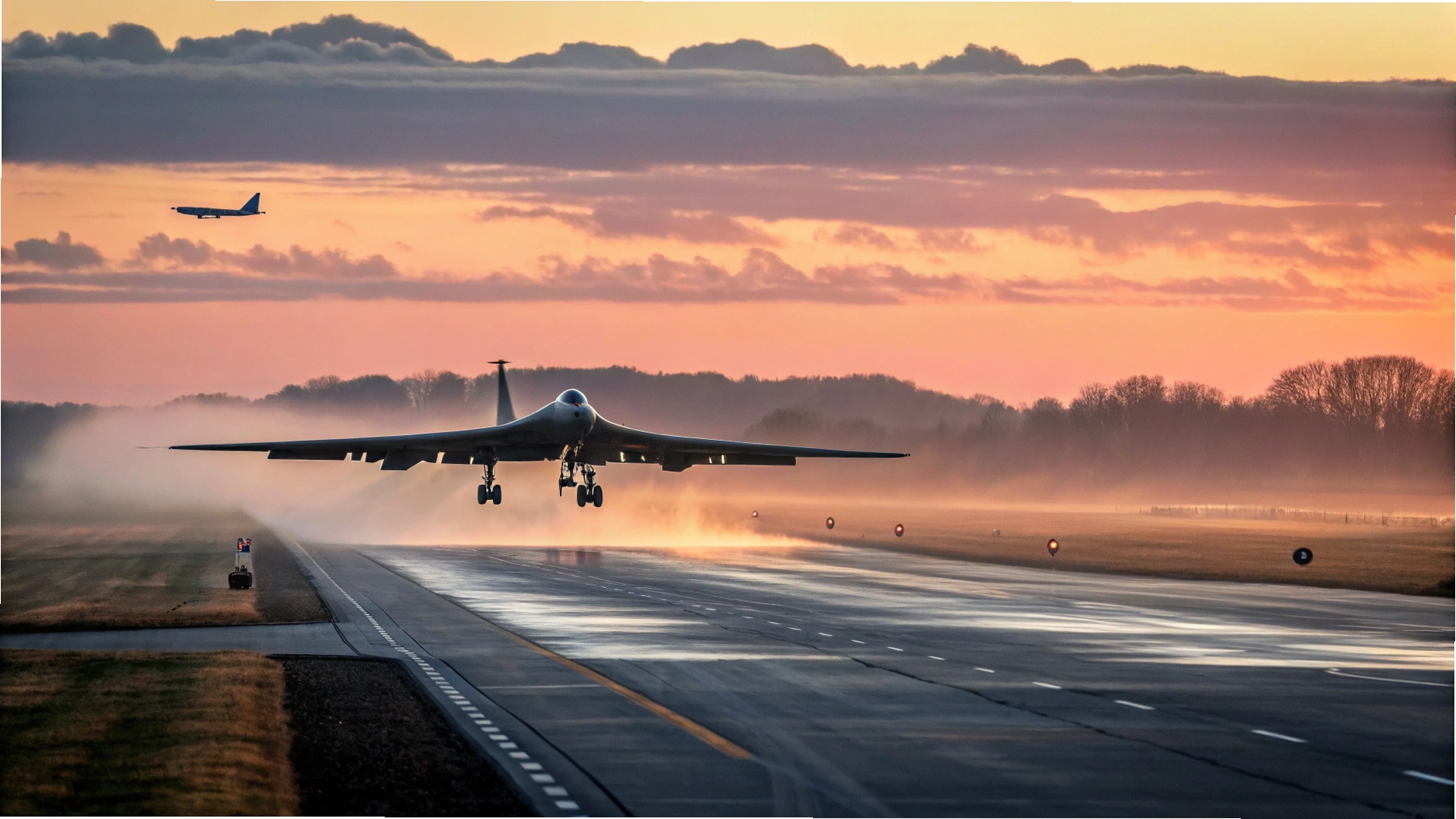
Russia has officially launched serial production of the Sukhoi S-70 Okhotnik-B stealth combat drone, marking a major step in its unmanned aviation development. Produced by Sukhoi under the United Aircraft Corporation (UAC), the Okhotnik-B is designed to operate alongside the Su-57 fighter, serving as a stealthy unmanned strike and reconnaissance asset for the Russian Aerospace Forces (VKS). The S-70 features a flying-wing design emphasizing radar evasion, with a wingspan of about 19 meters and a weight close to 20 tons. It is powered by the AL-41F turbofan engine, allowing a top speed of around 1,000 km/h and an estimated range beyond 6,000 km. The drone carries its payload internally, further reducing detectability. Its stealth characteristics, coupled with high endurance, enable it to conduct deep-penetration missions in heavily defended airspace. Over several years of testing, the Okhotnik-B demonstrated autonomous operations, precision targeting, and data-sharing capabilities with manned aircraft like the Su-57. These trials also validated its AI-assisted control system, which allows the drone to carry out coordinated missions in reconnaissance, strike, and electronic warfare roles. According to officials, assembly of the first production-standard Okhotnik units is underway at the Novosibirsk Aircraft Production Plant, with initial deliveries expected soon. The move to serial manufacturing highlights Russia’s determination to maintain momentum in its advanced UAV programs despite international sanctions affecting component supply. The Okhotnik-B is expected to serve as a force multiplier for the Russian Air Force, operating as a “loyal wingman” that can accompany or support Su-57 fighters during complex operations. This combination will allow Russia to deploy a mixed fleet of manned and unmanned aircraft, expanding its reach and resilience in modern combat environments. Defense analysts describe the S-70 as Russia’s most ambitious unmanned project to date, bridging a gap between traditional fighter jets and autonomous warfare systems. Its entry into production not only enhances Russia’s tactical flexibility but also places it in closer technological competition with Western stealth drone programs like the U.S. MQ-Next and Europe’s nEUROn initiatives.