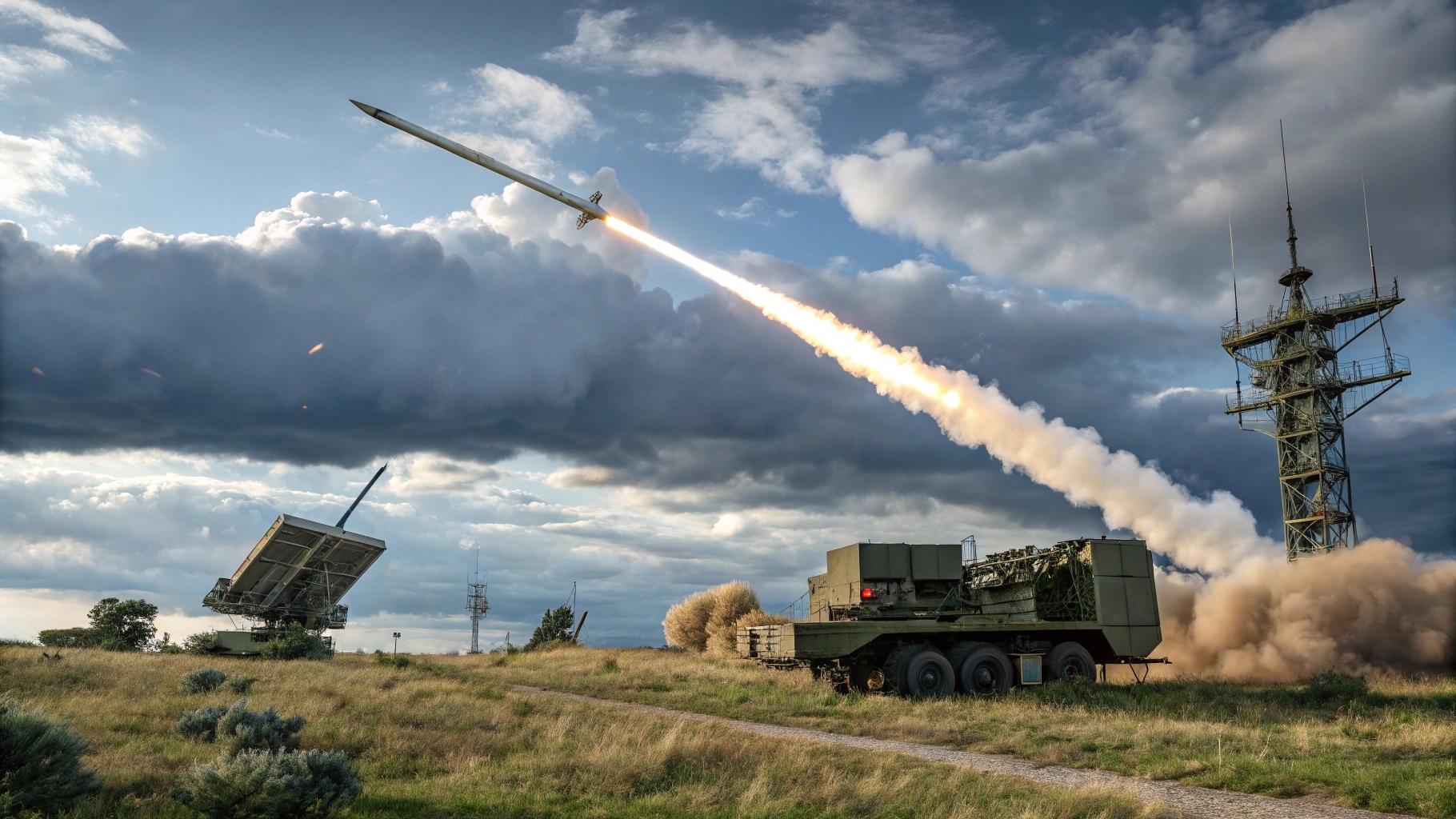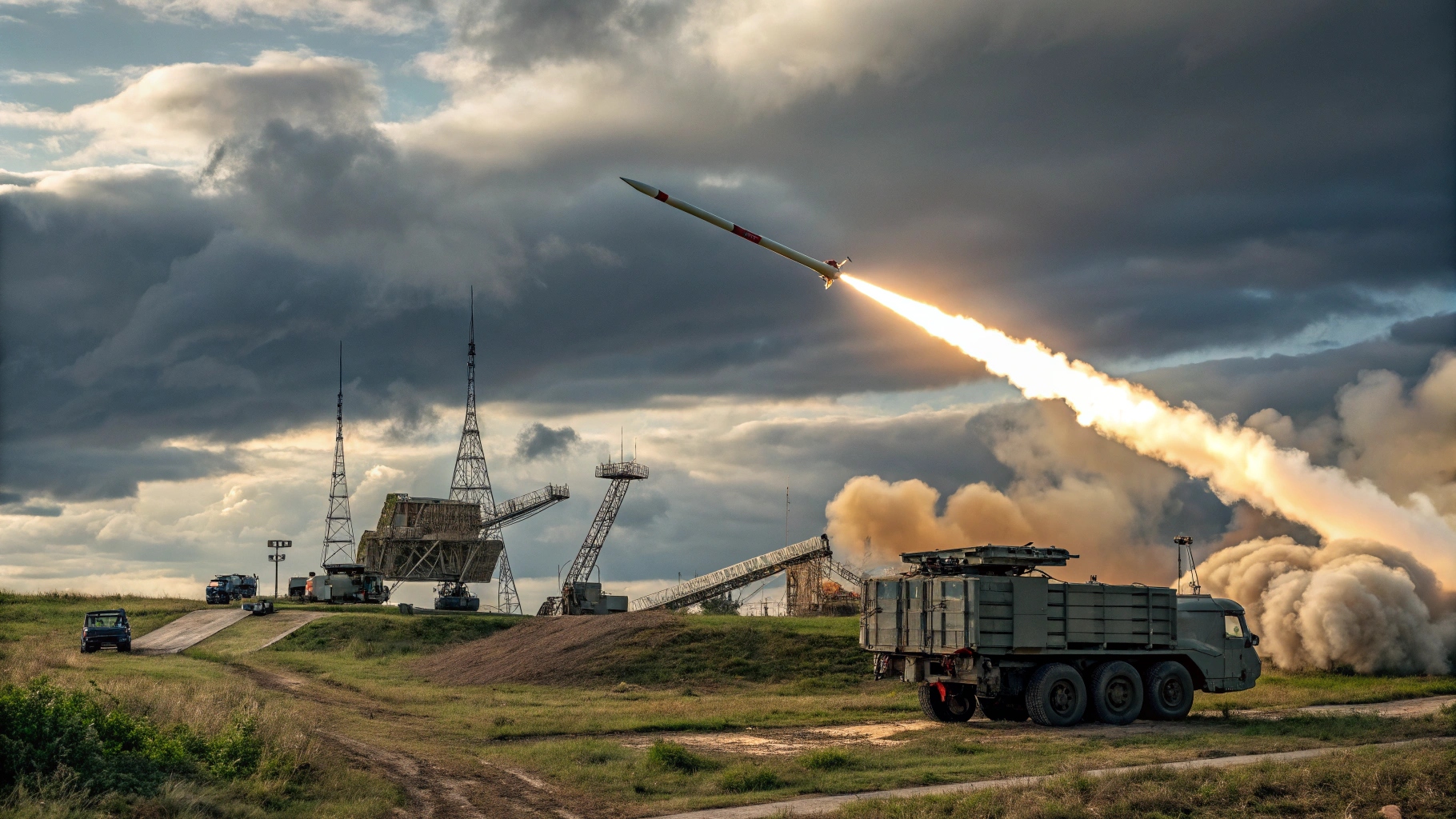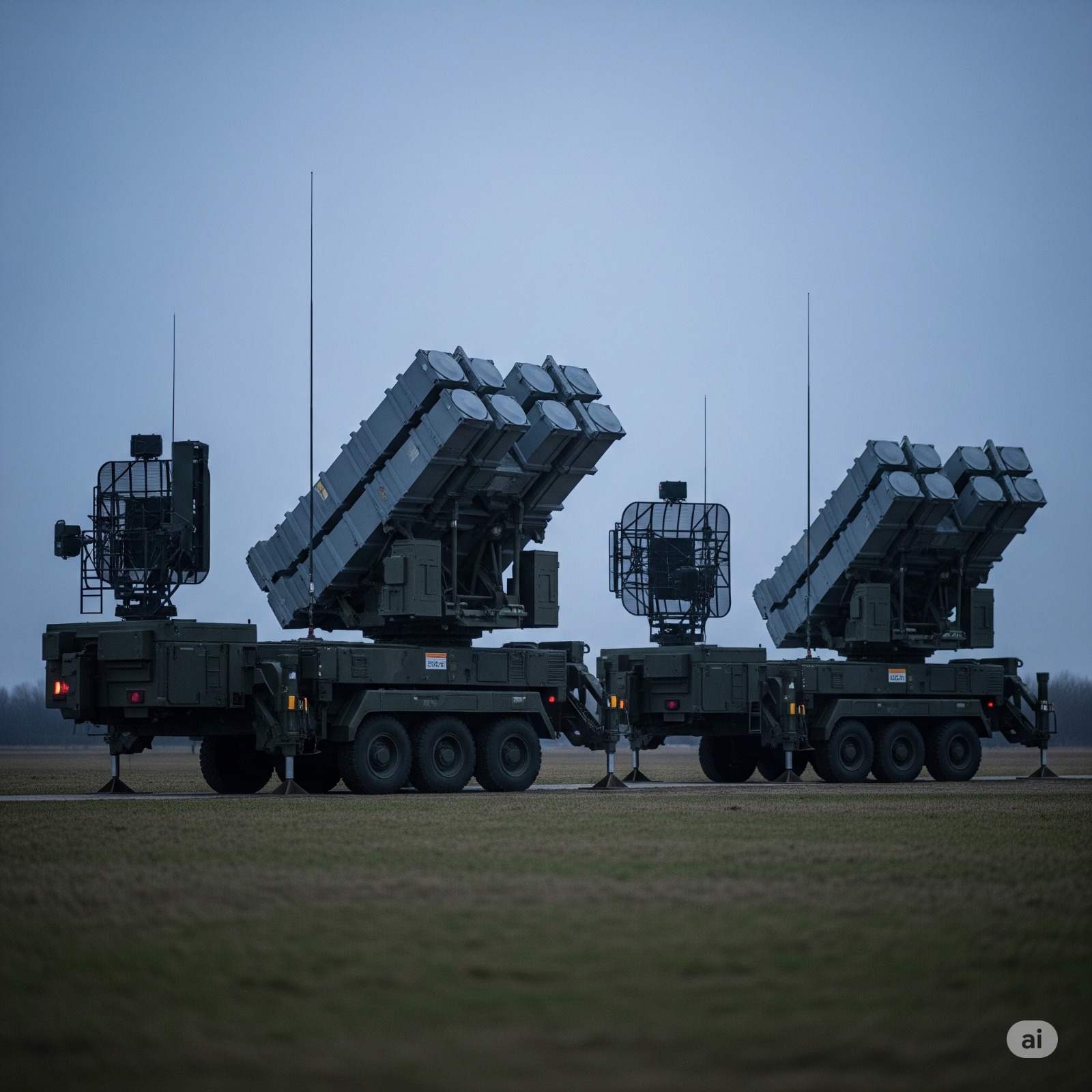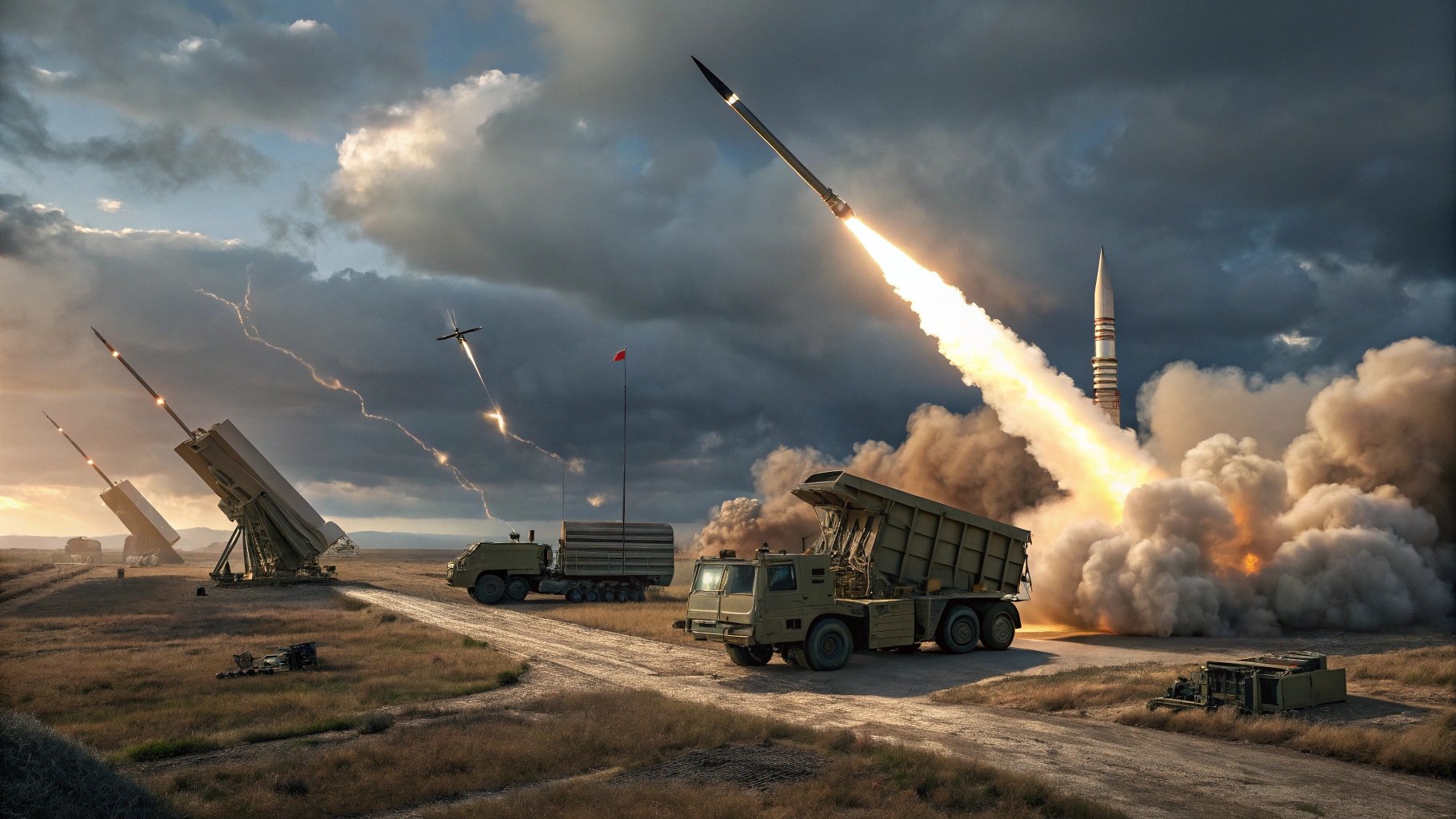
The United Kingdom has moved forward an important arms shipment to Ukraine, delivering hundreds of Lightweight Multirole Missiles (LMMs), also known as Martlet, earlier than planned. This shipment is part of a wider commercial arrangement — a roughly £1.6 billion contract agreed earlier in the year — for more than 5,000 missiles manufactured by Thales at its Belfast facility. Beyond immediate battlefield support, British officials highlight the domestic industrial benefits: the program has created about 200 new jobs and underpins some 700 existing roles across the U.K., reinforcing the government’s stated aim to sustain sovereign defense production capacity. The LMM is a laser-guided, high-speed munition with an operational envelope exceeding 6 kilometers and a top speed in the neighborhood of Mach 1.5. Its flexible deployment options — launchable from land vehicles, ships, and aircraft — make it suitable against a broad range of threats, from fast inshore attack craft and installations to armored personnel carriers and drones. The UK government reports that numerous LMM rounds already supplied to Ukraine have been used successfully against Russian drones and other aerial threats, an outcome officials point to when justifying the escalated deliveries. At the same time as shipping munitions, the UK and Ukraine have expanded cooperation on defensive systems. The bilateral LYRA program is intended to jointly advance battlefield technologies including air-defense interceptor drones. Under the related Project OCTOPUS, planners are targeting monthly mass production of interceptor drones in the thousands to provide a scalable layered defense against incoming threats. These combined efforts reflect a broader strategy: immediate weapon deliveries to meet urgent operational requirements coupled with cooperative production and technology programs designed to strengthen Ukraine’s capacity to defend itself sustainably and at scale. The accelerated delivery, job creation, and technology collaboration together illustrate how allied support is being structured to address both the present battlefield and longer-term resilience concerns.