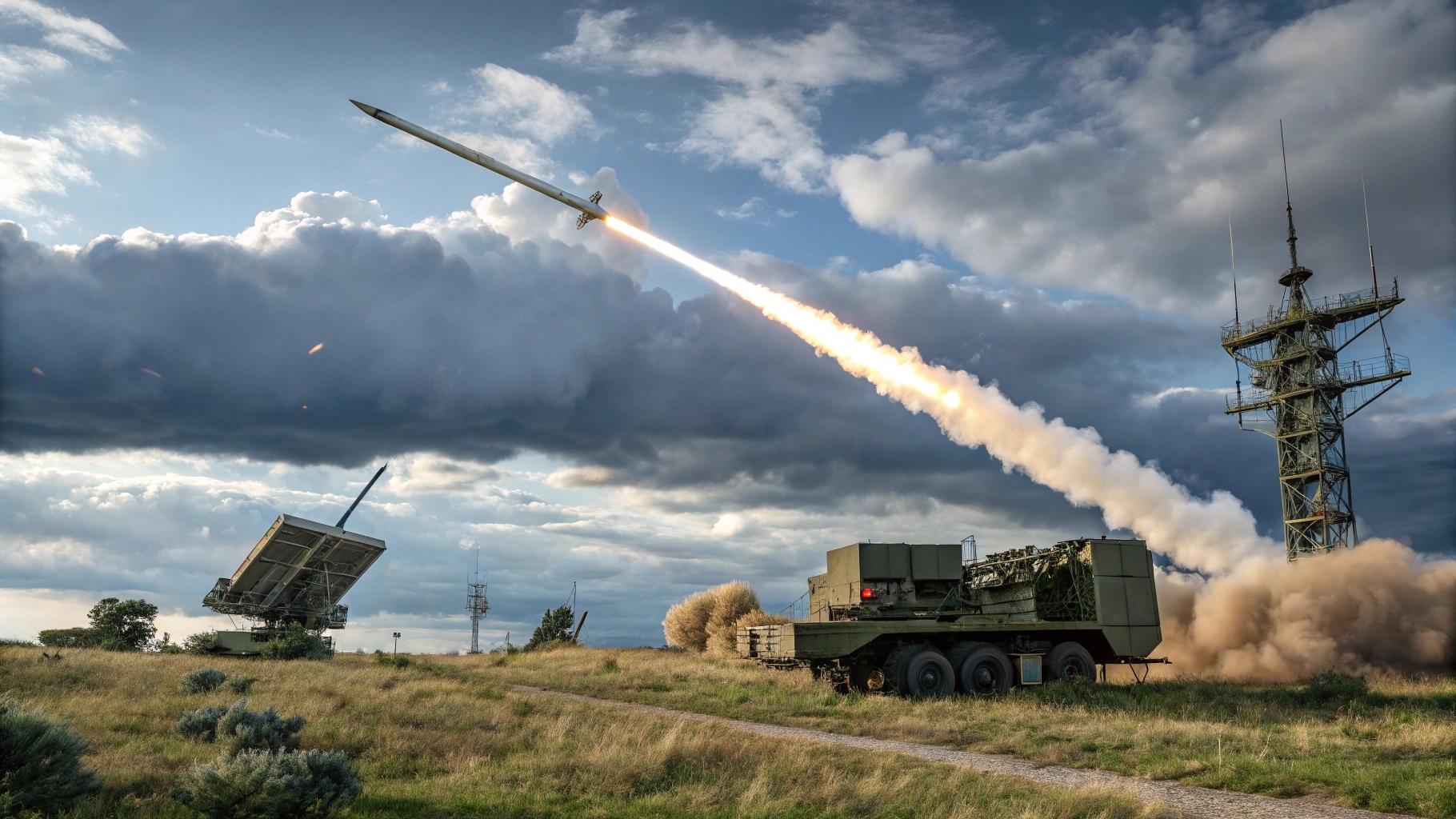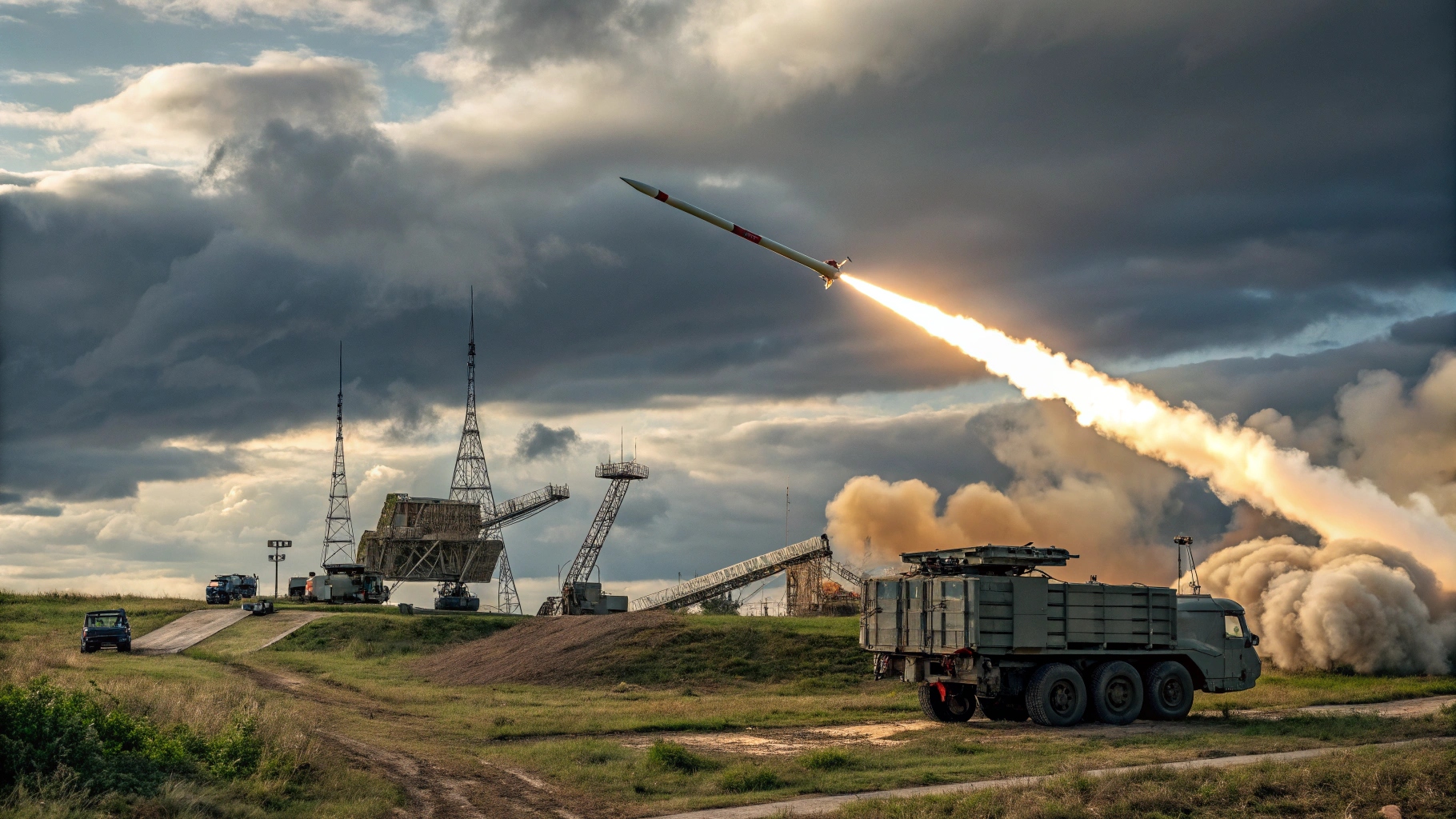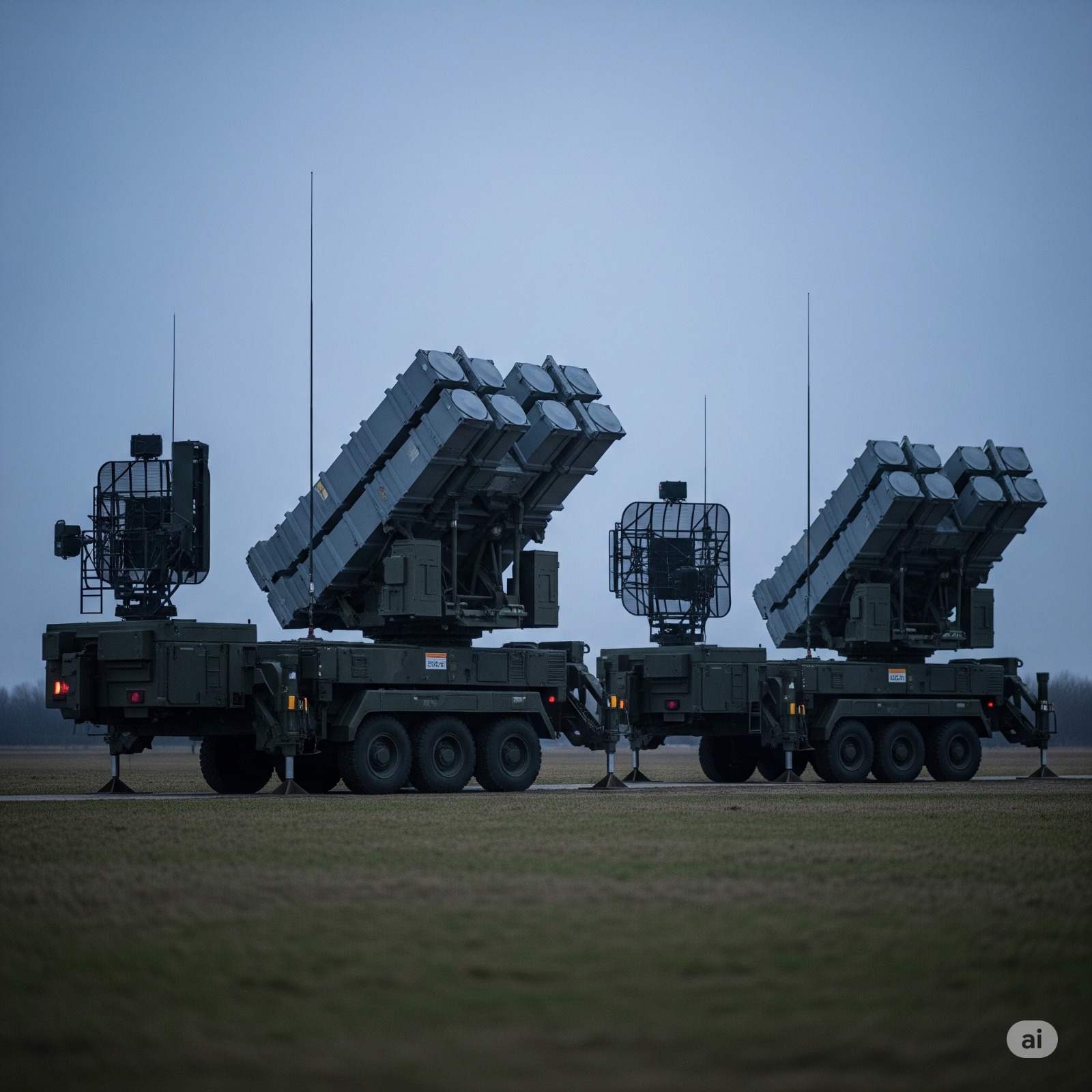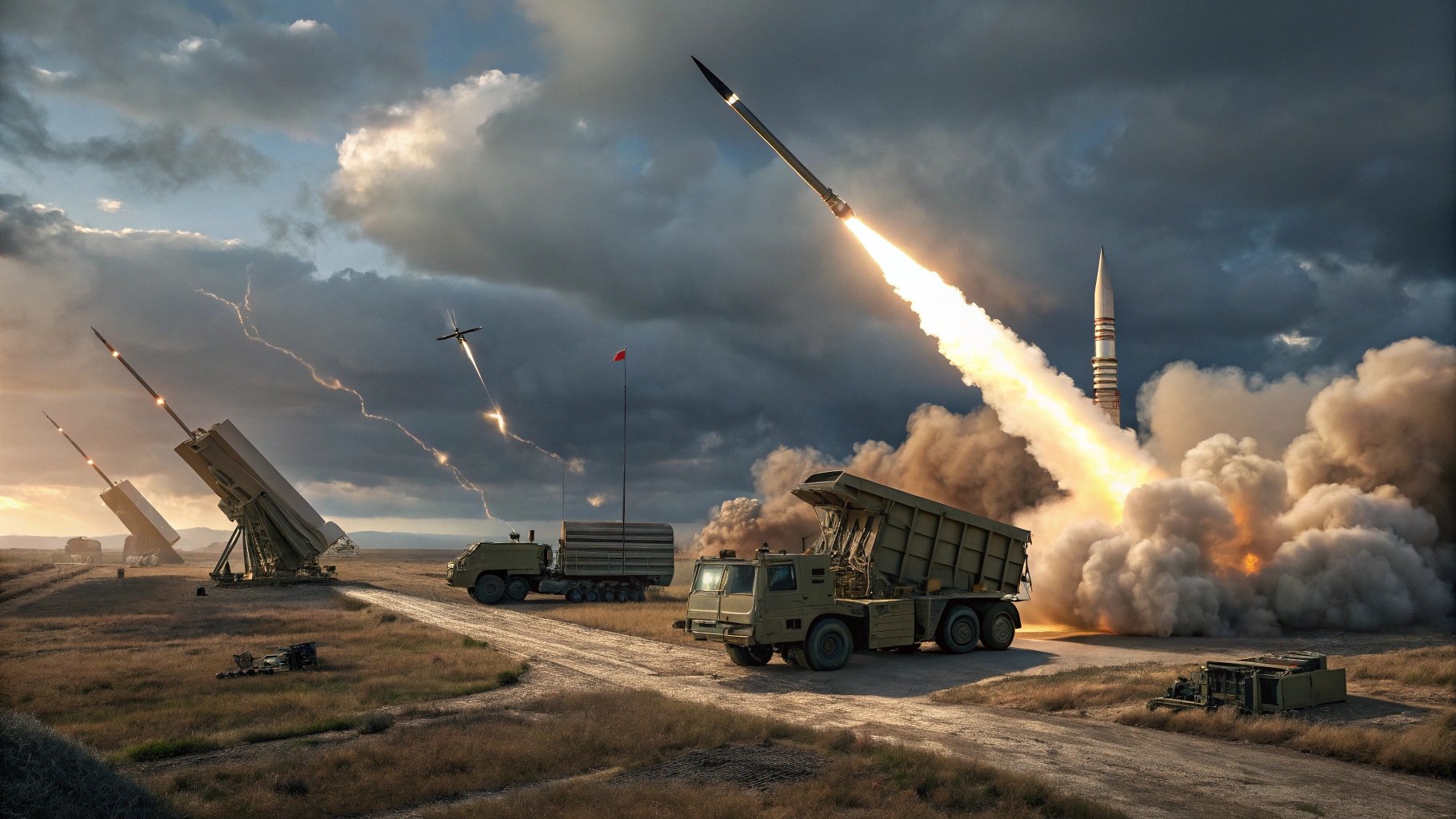
A series of defense advancements are underway across multiple nations, focused on missile systems, AI integration, and naval capabilities. A new AI platform has been incorporated into a modular autonomous missile system to keep units aware, adaptive, and connected, with updates distributed across the network to refine performance. In parallel, the US approved a major sale of mobile artillery rocket systems to Australia, including vehicles, trailers, and associated support equipment, enhancing long-range precision strike and interoperability with allied forces. South Korea is set to expand its air-to-ground arsenal with tactical guided missiles, featuring infrared guidance, improved software, and high-speed deployment from aircraft, strengthening regional deterrence and US interoperability. Meanwhile, a new command structure within the US Defense Logistics Agency consolidates aviation and land-and-maritime supply chains for spare parts and components, aiming to improve readiness and maintenance of military equipment. Sweden is upgrading its amphibious units with next-generation watercraft, capable of transporting personnel and cargo in shallow coastal and riverine environments, replacing older vessels transferred elsewhere. Collectively, these developments reflect ongoing efforts to modernize defense systems, integrate advanced technologies, and maintain operational readiness across air, land, and sea domains.