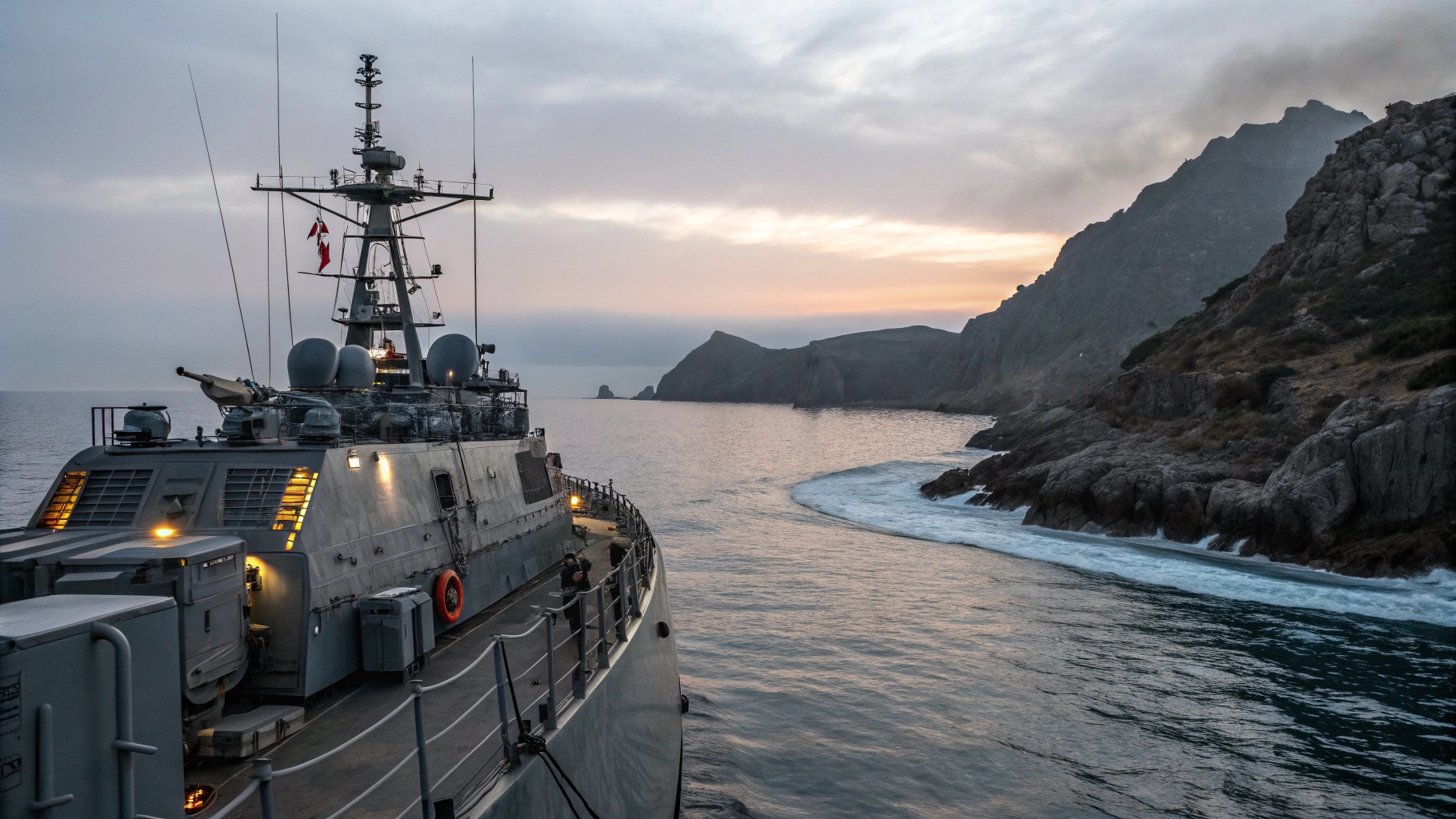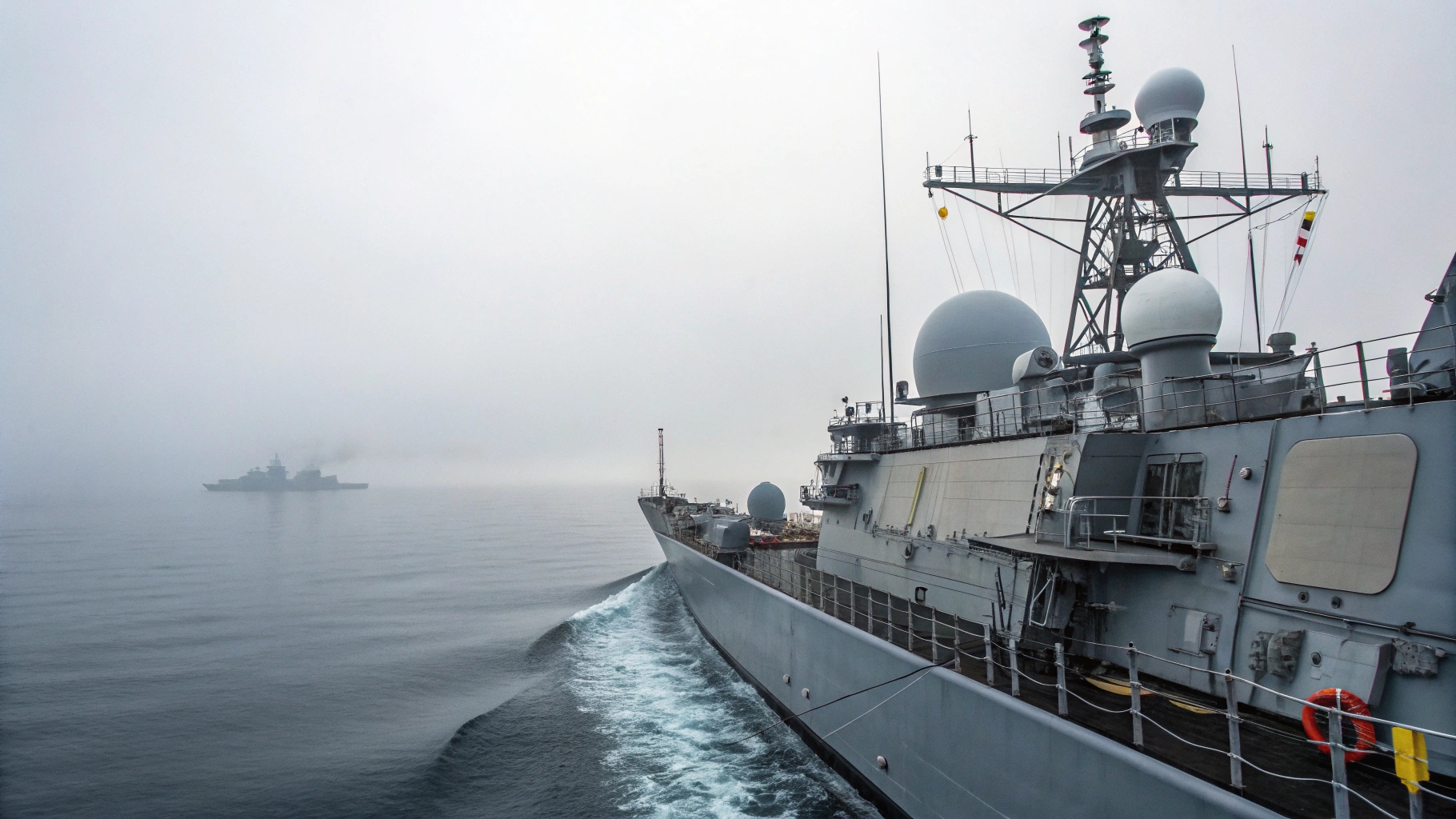
Hanwha Ocean of South Korea has established a series of partnerships with Canadian industry and academic institutions to support development efforts linked to the Canadian Patrol Submarine Project. The agreements include five industry teaming arrangements and three memoranda of understanding designed to expand technological collaboration and prepare for the potential construction of Canada’s next generation of submarines. Canada launched the CPSP initiative in 2021 to replace its Victoria-class diesel-electric submarines, which entered service during the 1990s and are scheduled for retirement in the 2030s. The program envisions the acquisition of as many as 12 new submarines beginning in 2035. Hanwha Ocean’s partnerships aim to support this long-term program by building manufacturing capacity, advancing technology development, and strengthening the skilled workforce required for submarine construction. The agreements are structured to include collaboration between Hanwha Ocean, Canadian companies, and South Korean or international technology partners. Several projects focus on underwater detection and naval warfare technologies. GeoSpectrum Technologies and Ultra Maritime, both located in Dartmouth, Nova Scotia, will cooperate with South Korea’s LIG Nex1 to develop sonar systems and undersea warfare solutions. Other partnerships address submarine electrical systems and onboard computing technologies. Aspin Kemp & Associates of Prince Edward Island and J-Squared Technologies from Ontario will work with KTE in Seoul on power distribution networks, electrical control systems, embedded computing platforms, and integrated platform management technologies. Another collaboration brings together Safran Trusted 4D Canada and France-based Safran Electronics & Defense to support development of optronic systems, inertial navigation technologies, radar equipment, and other defense electronics used on submarines and naval vessels. Academic institutions are also participating in the initiative. The University of Toronto, the University of New Brunswick, and Dalhousie University will conduct research in fields such as artificial intelligence-based naval technologies, simulation tools, underwater acoustics, Arctic-capable ship design, and automated systems designed to reduce submarine crew sizes. Hanwha Defence Canada CEO Glenn Copeland noted that combining Canadian innovation with South Korea’s submarine manufacturing expertise could create a “future-ready” industrial framework capable of supporting Canada’s upcoming submarine fleet and broader maritime defense requirements.