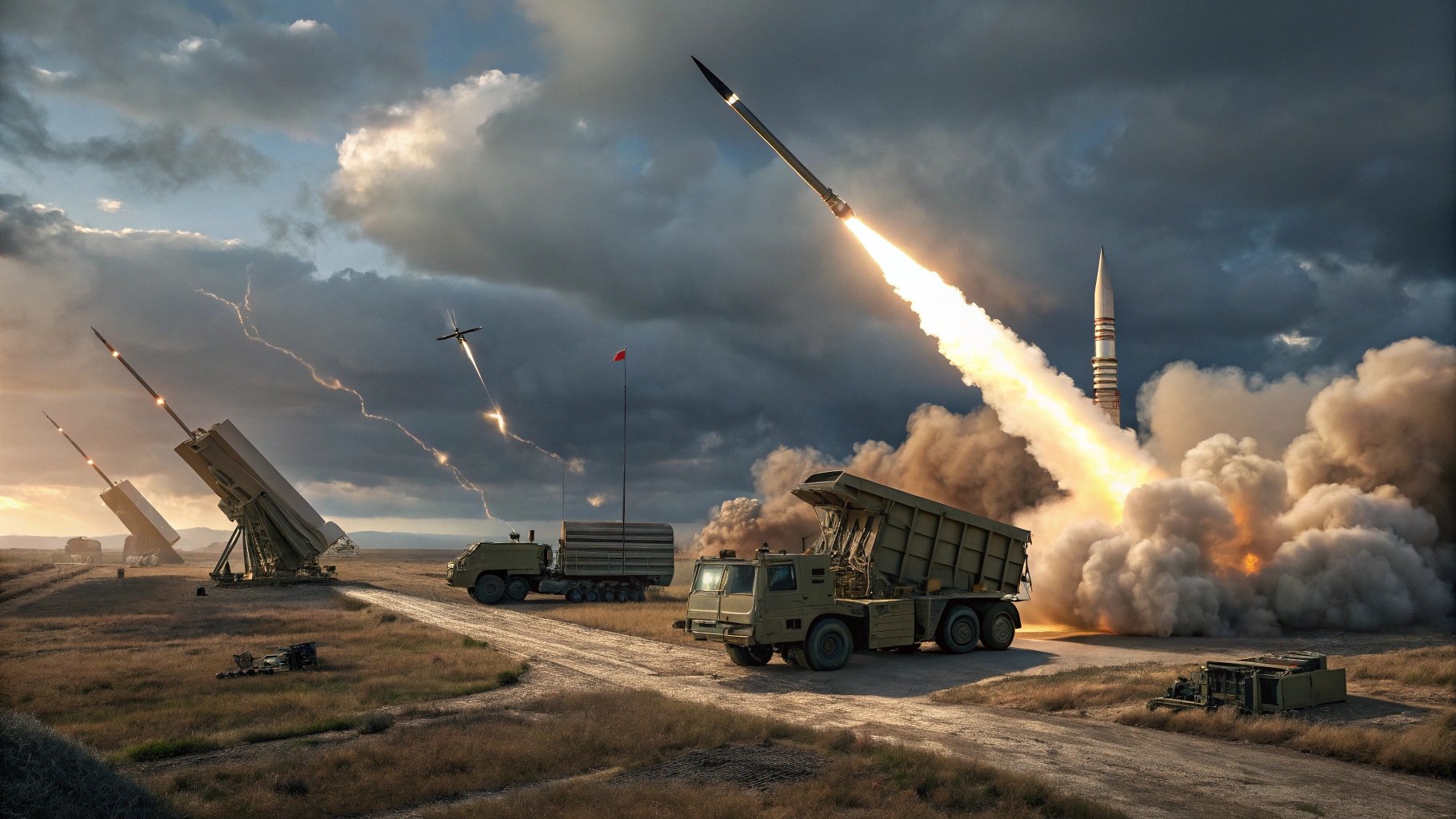
Iran has announced plans to reconstruct all nuclear facilities damaged during recent U.S. and Israeli strikes, asserting that its atomic program will emerge “stronger than before.” The declaration came as Oman—a long-time intermediary—called for both nations to return to negotiations frozen since mid-year. The June bombardment by Israel, described as the largest since the 1981 Osirak raid, devastated several Iranian nuclear and military installations and killed key scientists. Iran retaliated with multiple missile salvos before the United States mediated a brief ceasefire. President Masoud Pezeshkian reiterated that Tehran remains committed to rebuilding despite heavy sanctions reinstated by Britain, France, and Germany under the UN snapback clause. Foreign Minister Abbas Araghchi said Oman has relayed new U.S. messages about resuming talks. Tehran’s spokeswoman Fatemeh Mohajerani confirmed diplomatic exchanges are ongoing. Analysts interpret Iran’s defiant tone as a mix of domestic reassurance and strategic signaling intended to deter further strikes while preserving leverage for negotiation. The attacks have reignited global debate over the limits of preventive warfare and the durability of the 2015 nuclear accord. Intelligence reports indicate Iran’s underground enrichment sites survived largely intact, suggesting reconstruction could be rapid. For Washington, Oman’s mediation offers a narrow diplomatic opening to contain escalation. Observers warn that without structured dialogue, mutual retaliation could resume, risking wider regional conflict. The episode underscores the fragility of the non-proliferation framework and the enduring volatility of the Gulf security environment.