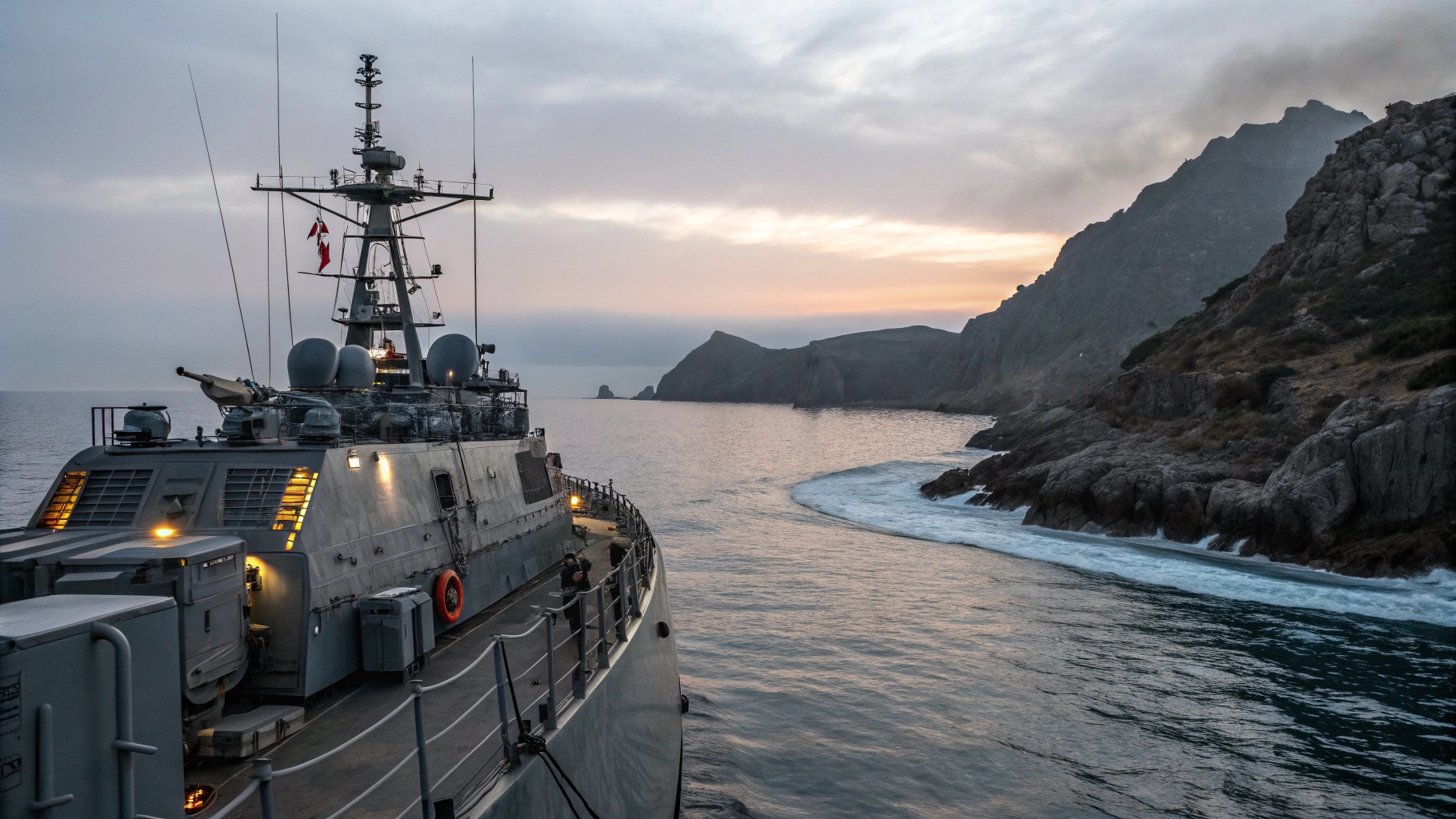
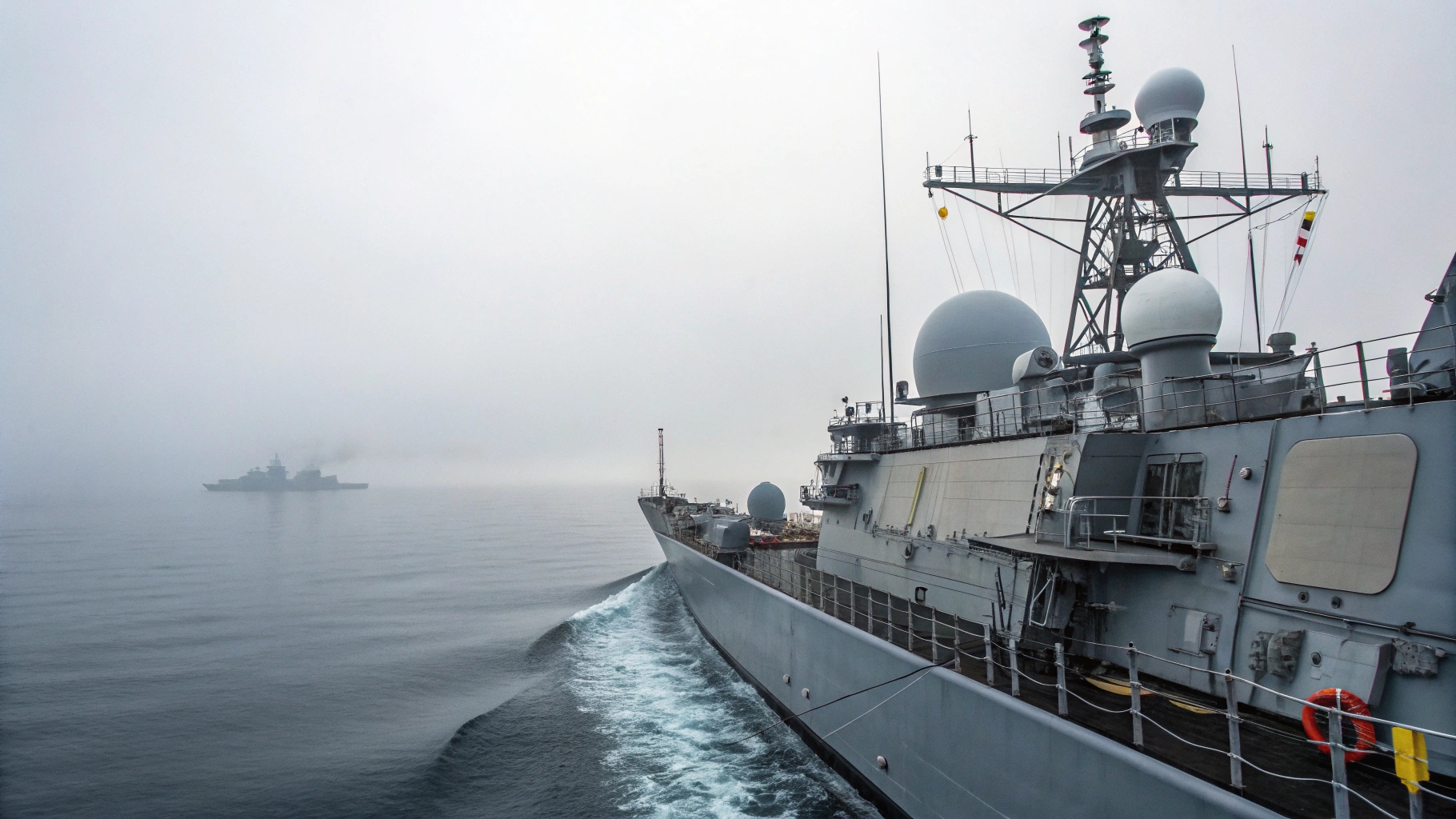
Ultra Maritime has been awarded a significant contract to deliver advanced torpedo defense systems for the Royal Australian Navy’s (RAN) Hunter-class frigates, marking a critical step in strengthening Australia’s maritime defense capabilities. The contract, granted by BAE Systems Maritime Australia, involves supplying the Surface Ship Torpedo Defence (SSTD) system, a state-of-the-art technology designed to detect, track, and counter hostile torpedoes. The SSTD integrates a single in-line towed array that combines detection and countermeasure functions within one streamlined system. It also features an automatic threat-alert function, enabling real-time identification of underwater threats while minimizing false alarms and operator workload. The integration of this system will significantly enhance the frigates’ survivability in hostile underwater environments. Ultra Maritime will execute the project from its Adelaide facility in South Australia, leveraging local production to expand domestic defense manufacturing capacity. The company will combine its global undersea warfare expertise with local technical partnerships to bolster Canberra’s sovereign capability in maritime defense. Earlier this year, Ultra Maritime’s 2150 Bow Sonar System was also selected for integration into the Hunter-class platform, further solidifying the company’s role in Australia’s anti-submarine warfare (ASW) ecosystem. Both the sonar and SSTD systems will be part of a broader ASW suite based on BAE Systems’ Global Combat Ship (GCS) architecture, already adopted by navies in the UK, Canada, and Norway, creating a standardized technological framework among allied fleets. The Hunter-class program, under BAE Systems Maritime Australia, represents one of the largest naval modernization initiatives in the Southern Hemisphere. It encompasses the construction of six advanced multi-role frigates at the Osborne Naval Shipyard. These vessels—derived from the UK’s Type 26 design—will specialize in ASW missions while retaining capabilities for air defense, surface warfare, and humanitarian operations. Once operational, each frigate will carry approximately 183 crew members and feature the Aegis combat system integrated with an Australian-developed interface by Saab Australia. Weighing about 8,200 tonnes and reaching speeds exceeding 27 knots, the ships are scheduled to enter service in the early 2030s, ensuring the RAN remains a leading ASW force in the Indo-Pacific.