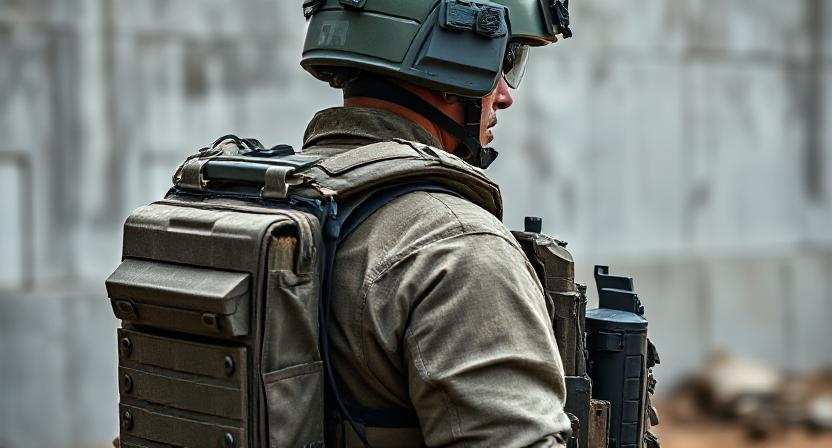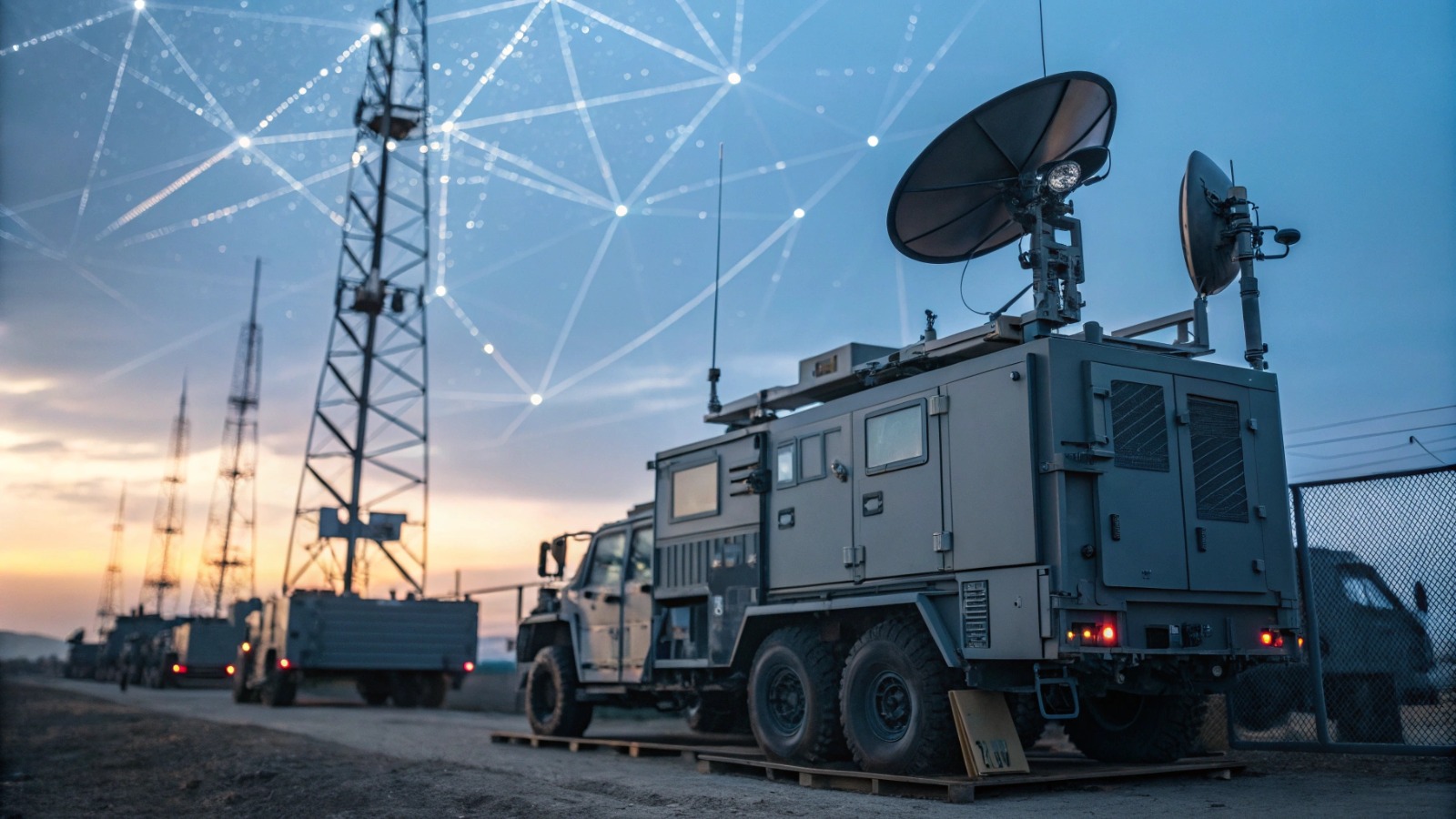
The U.S. Marines are deploying an advanced radar system at ANR Robinson International Airport in Tobago, a development confirmed by Trinidad and Tobago’s prime minister after earlier denials regarding the presence of American troops. Although the government presents the work as an airport-improvement and counter-narcotics initiative, the radar’s performance and siting make it strategically consequential. Open-source indicators suggest the system is the AN/TPS-80 G/ATOR, a U.S. Marine Corps multi-mission AESA radar capable of air defense surveillance, counter-battery detection, and expeditionary air-traffic control. Operating in the S-band with 360-degree coverage, it can detect aircraft, cruise missiles, drones, rockets, and artillery out to over 160 kilometers. Its position in Tobago would place a large portion of southern Caribbean airspace—including areas approaching Venezuela—within its surveillance envelope. The installation comes amid increased U.S. counter-drug operations and expanding defense access points in the Caribbean, giving the deployment wider geopolitical significance. The G/ATOR’s modular radar, power, and communications groups can be transported by a C-130 or heavy-lift helicopter and made operational in less than an hour, giving U.S. forces flexibility to relocate or remove the system rapidly as regional conditions evolve.