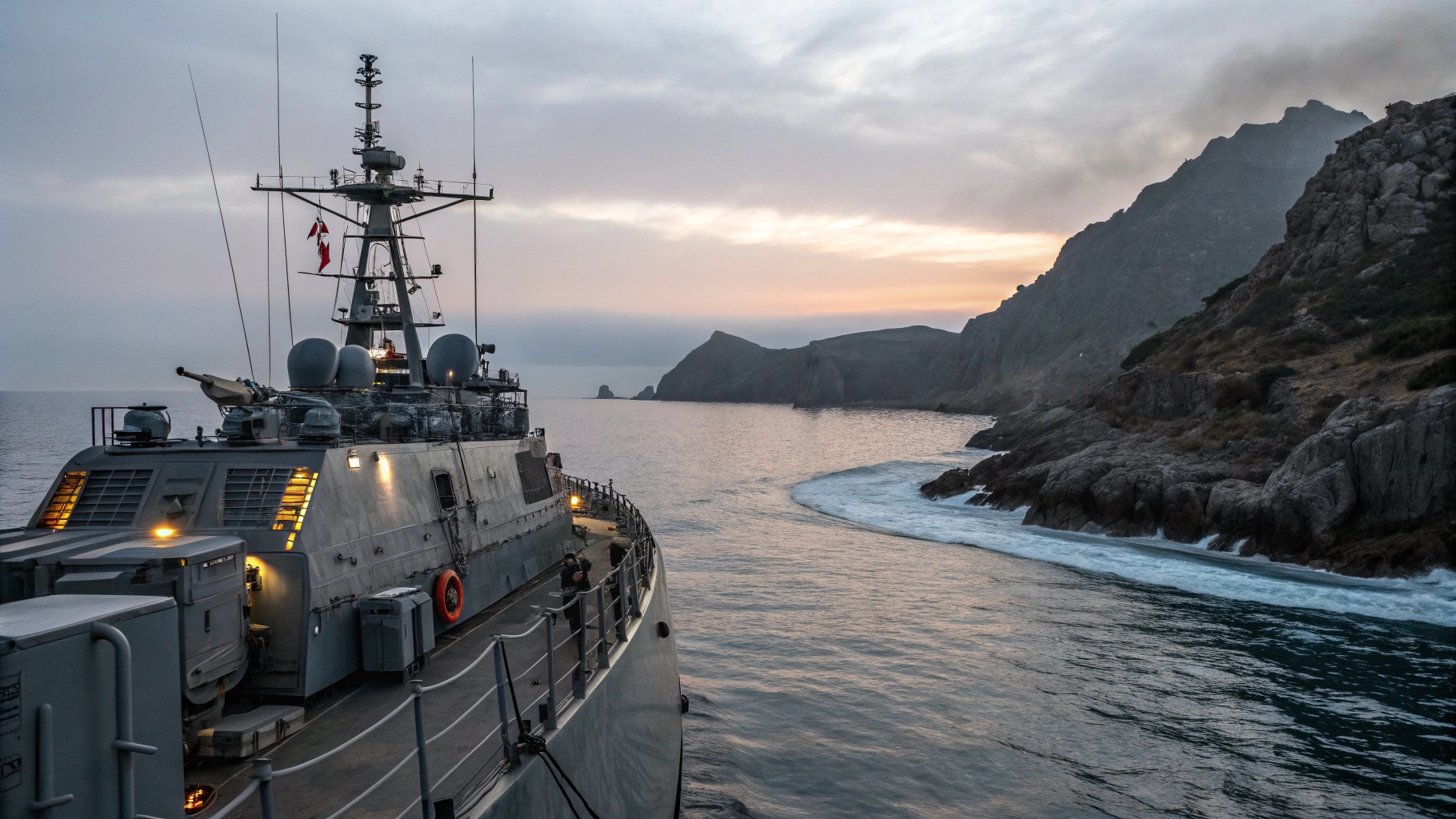
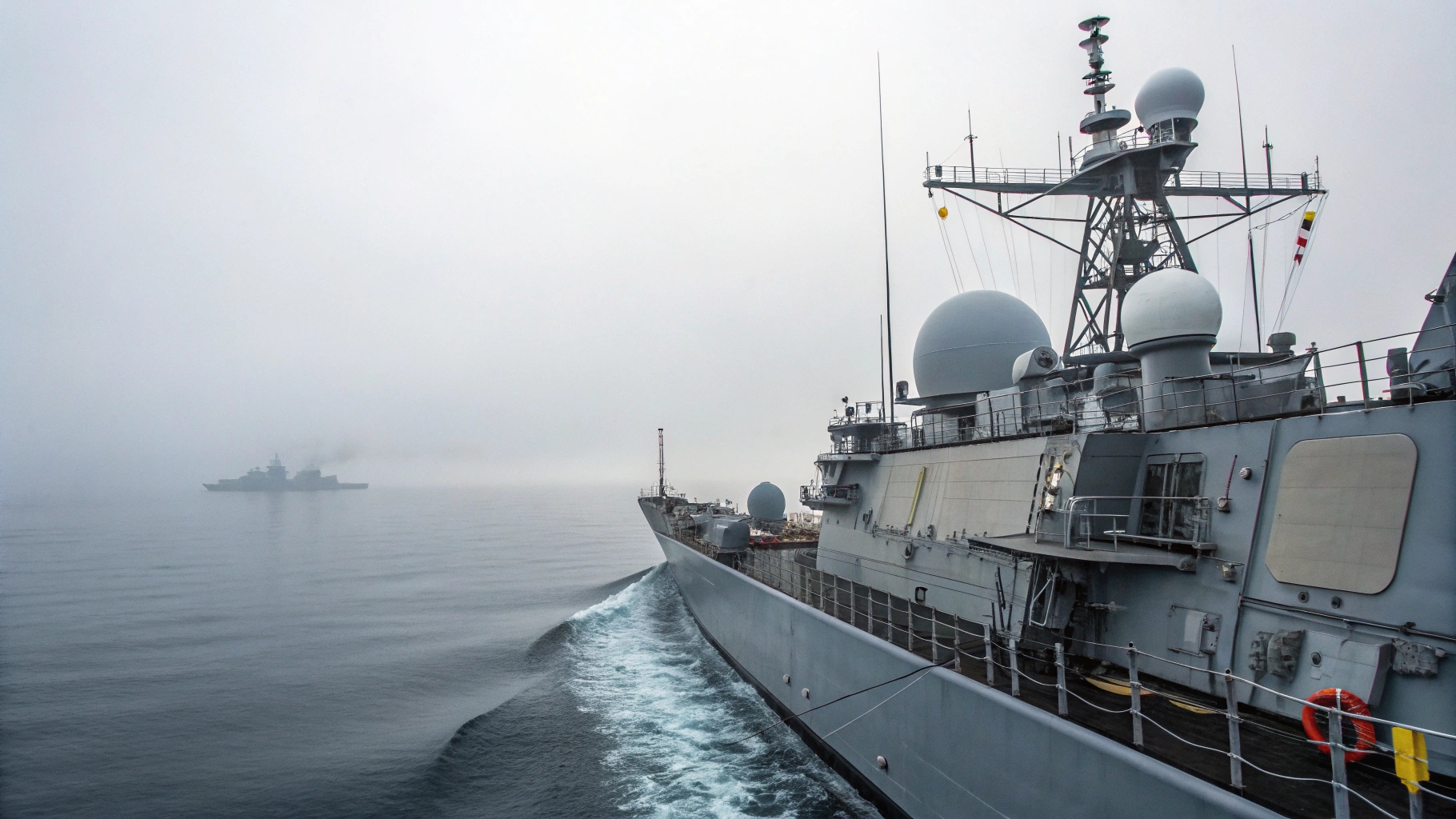
Belgium has commissioned the Oostende (M940), its first City-class mine countermeasures vessel, marking a defining moment in the country’s naval renewal program with the Netherlands. The delivery at Zeebrugge Naval Base inaugurates a fleet of 12 ships jointly developed under the 2019 rMCM initiative, each designed for stand-off mine warfare through extensive drone integration. Managed by Belgium Naval & Robotics—a consortium of Naval Group and Exail—the 82-meter vessel employs modular payloads, combining surface, subsurface, and airborne unmanned systems to detect and neutralize mines from beyond danger zones. This autonomy-driven architecture minimizes crew risk while boosting operational tempo. The City-class minehunters will succeed legacy Tripartite and Alkmaar-class platforms and significantly expand NATO’s collective MCM capability in the North Sea and beyond. With a top speed of 15 knots and endurance over 3,500 nautical miles, Oostende can host 60 crew and mission specialists. Its onboard systems include acoustic sensors, identification drones, and remote demolition units, complemented by defensive weapons. Belgian defense officials emphasized that the project not only modernizes the fleet but also positions Belgium and the Netherlands at the forefront of robotic mine warfare—a domain increasingly central to allied maritime security.