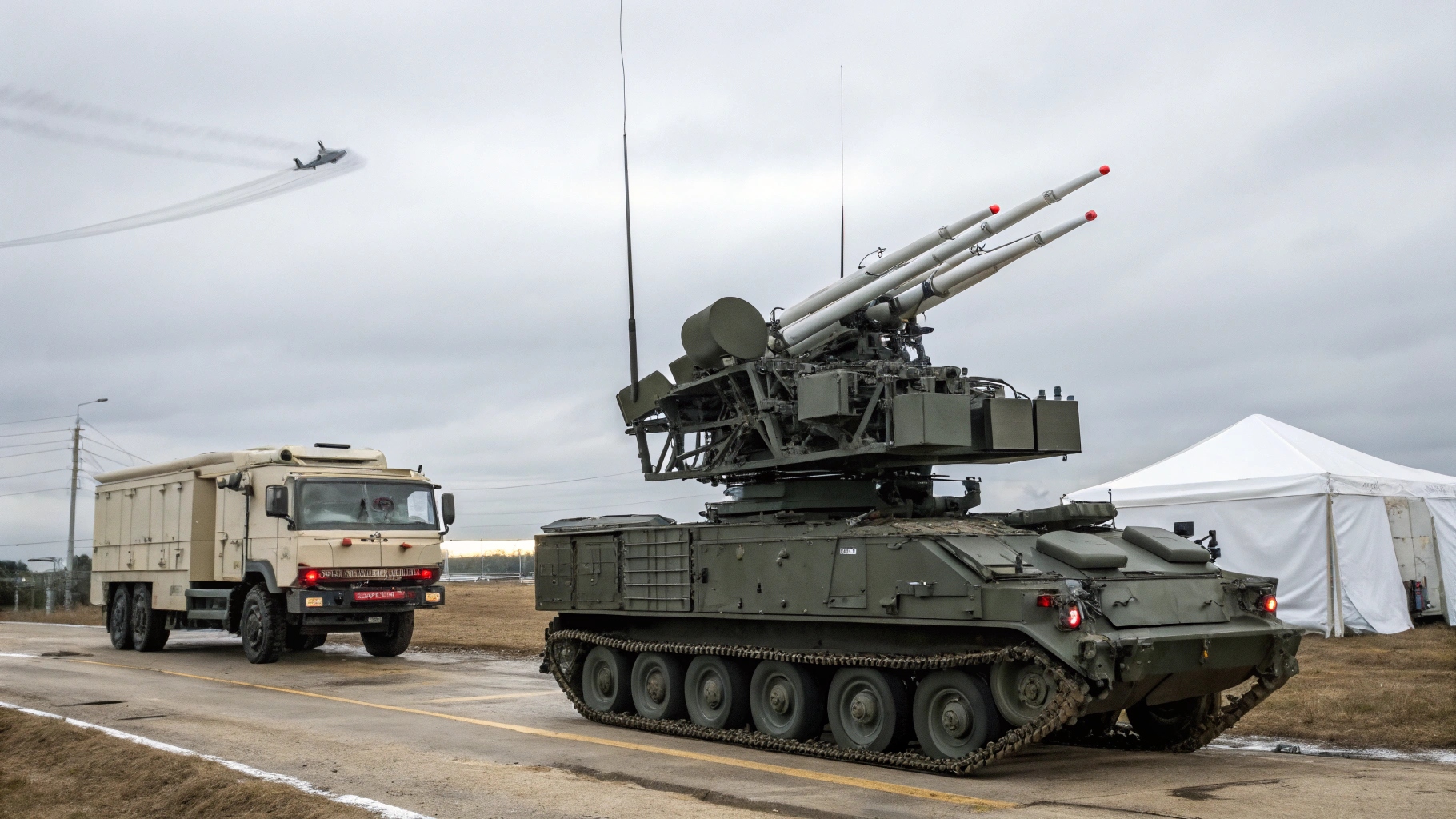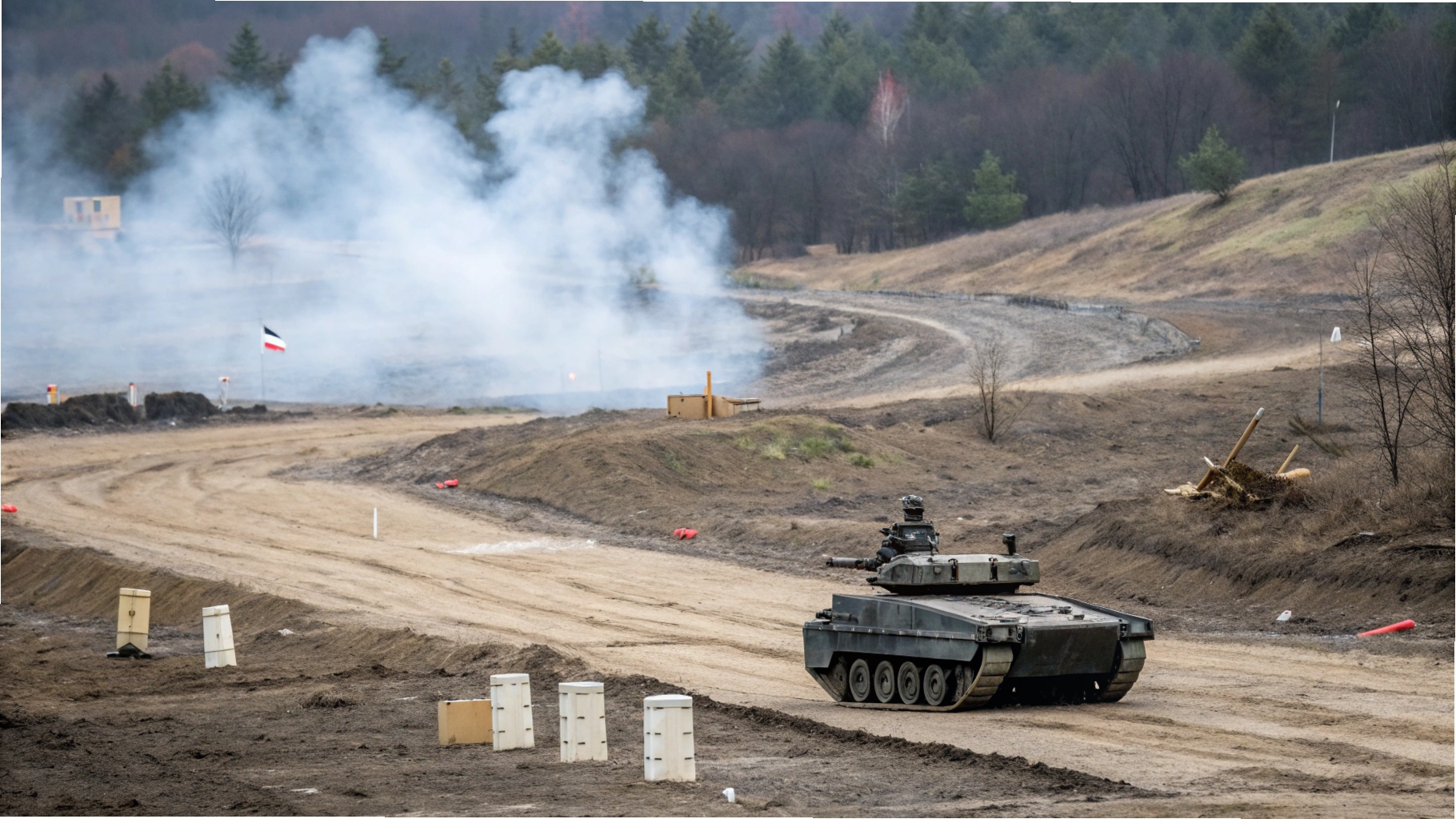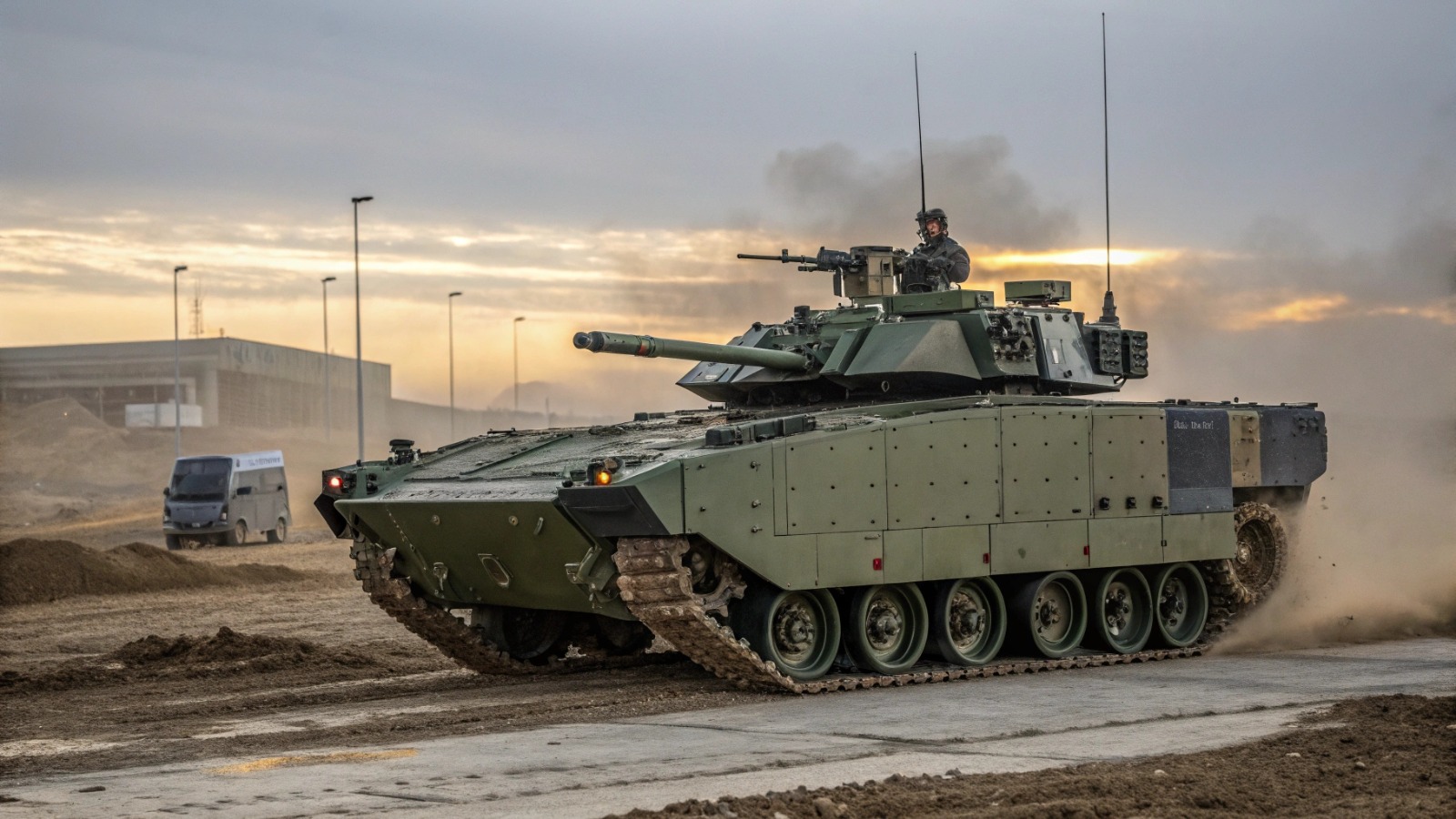
General Dynamics Land Systems (GDLS) and Parry Labs have formed a strategic alliance to bring robust software delivery and digital engineering practices into U.S. ground combat platforms, a move designed to accelerate capability updates and reduce integration friction. The collaboration pairs GDLS’s institutional expertise in armored-vehicle engineering and fielding with Parry Labs’ modular software stack, AI-enabled edge computing, and automated deployment pipelines. Together, the firms intend to build an integrated development-to-deployment environment so that new software, sensors, and tactical capabilities can be validated and fielded far more quickly than traditional procurement cycles permit. The initiative responds to an Army-wide shift toward open, service-oriented architectures found in programs such as the Optionally Manned Fighting Vehicle and Next Generation Combat Vehicle. Those efforts prioritize software-defined capability insertion and modular payloads; GDLS and Parry Labs plan to operationalize that vision by providing hardened, production-ready toolchains that automate testing, security vetting, and staged rollouts at the platform edge. Parry Labs will contribute microservices, container orchestration, and an AI-assisted operations layer that can run on-vehicle or within distributed edge nodes, improving real-time data fusion, predictive maintenance, and mission-aware autonomy. GDLS will integrate these capabilities into vehicle electrical, thermal, and communications backplanes, ensuring the hardware can support continuous software evolution in austere environments. The partnership will be demonstrated at AUSA 2025, showcasing pipeline tools, cyber-hardened update mechanisms, and examples of reduced mean-time-to-field for new capabilities. The broader implication is a cultural and technical pivot away from hardware-centric procurement toward software-first sustainment: vehicles that can be modernized by push-button updates rather than drawn-out retrofit campaigns. If successful, the GDLS–Parry Labs model could reduce cost, tighten security for fielded software, and make ground combat platforms more adaptable to evolving threats and mission sets.