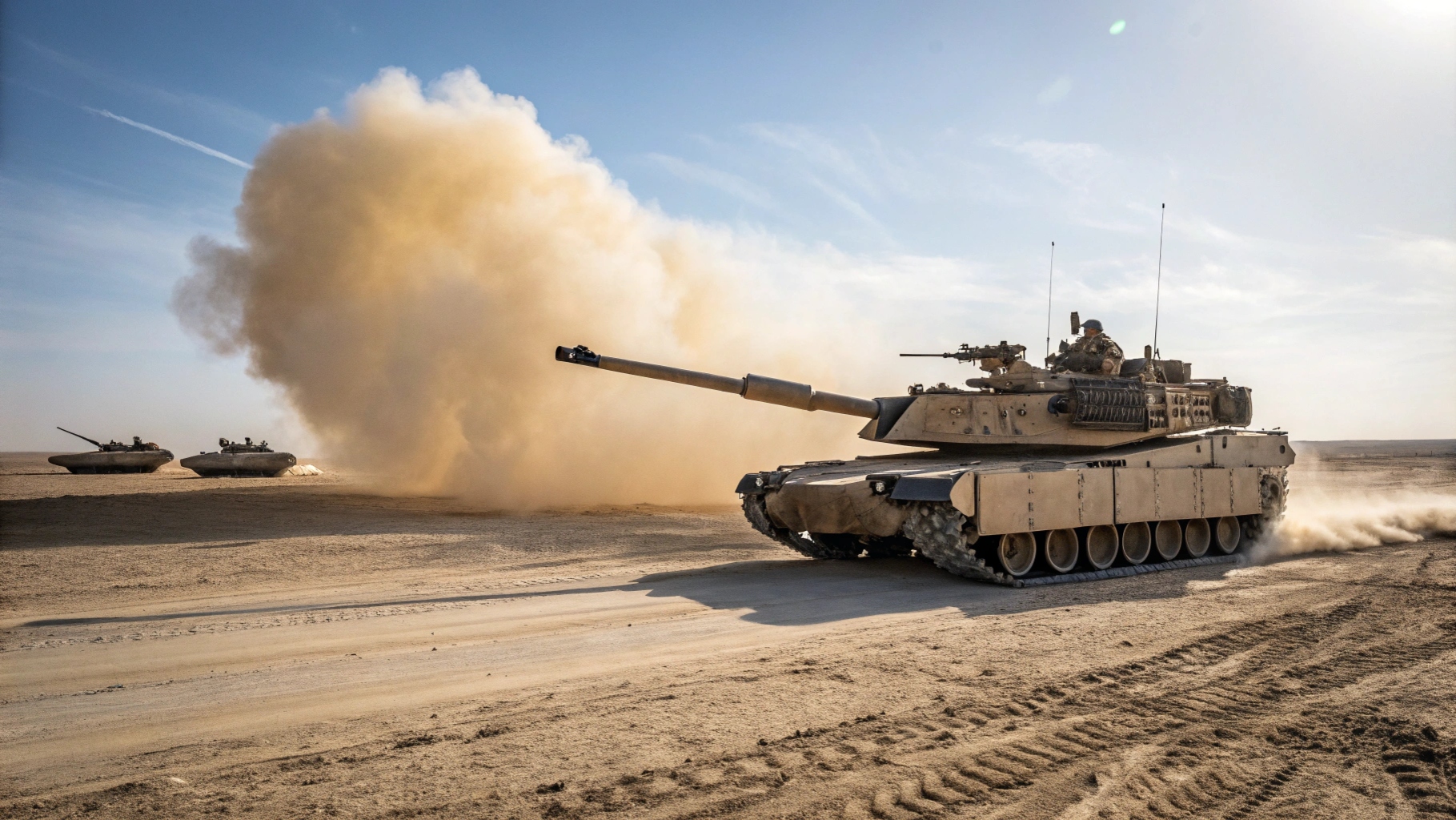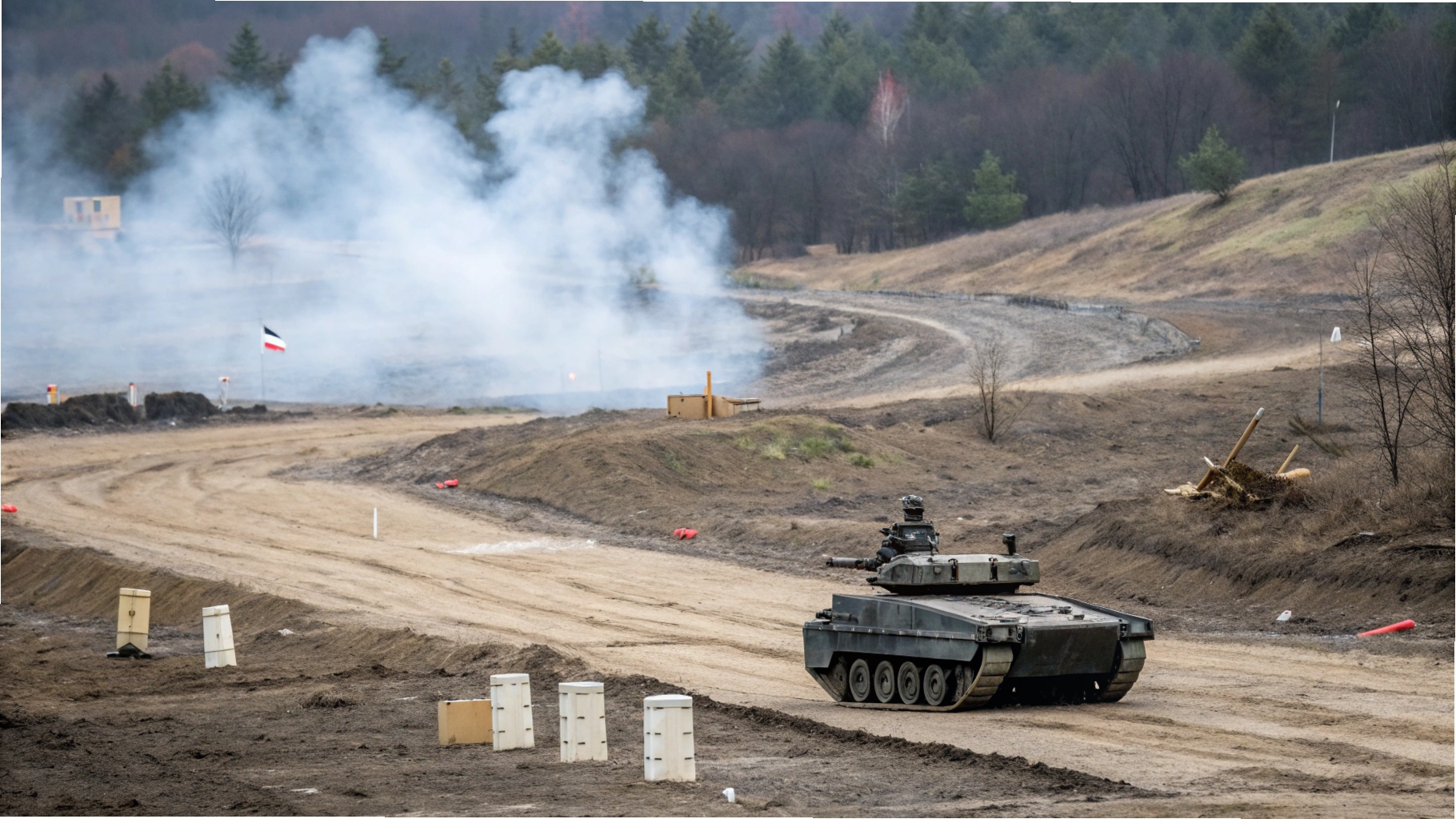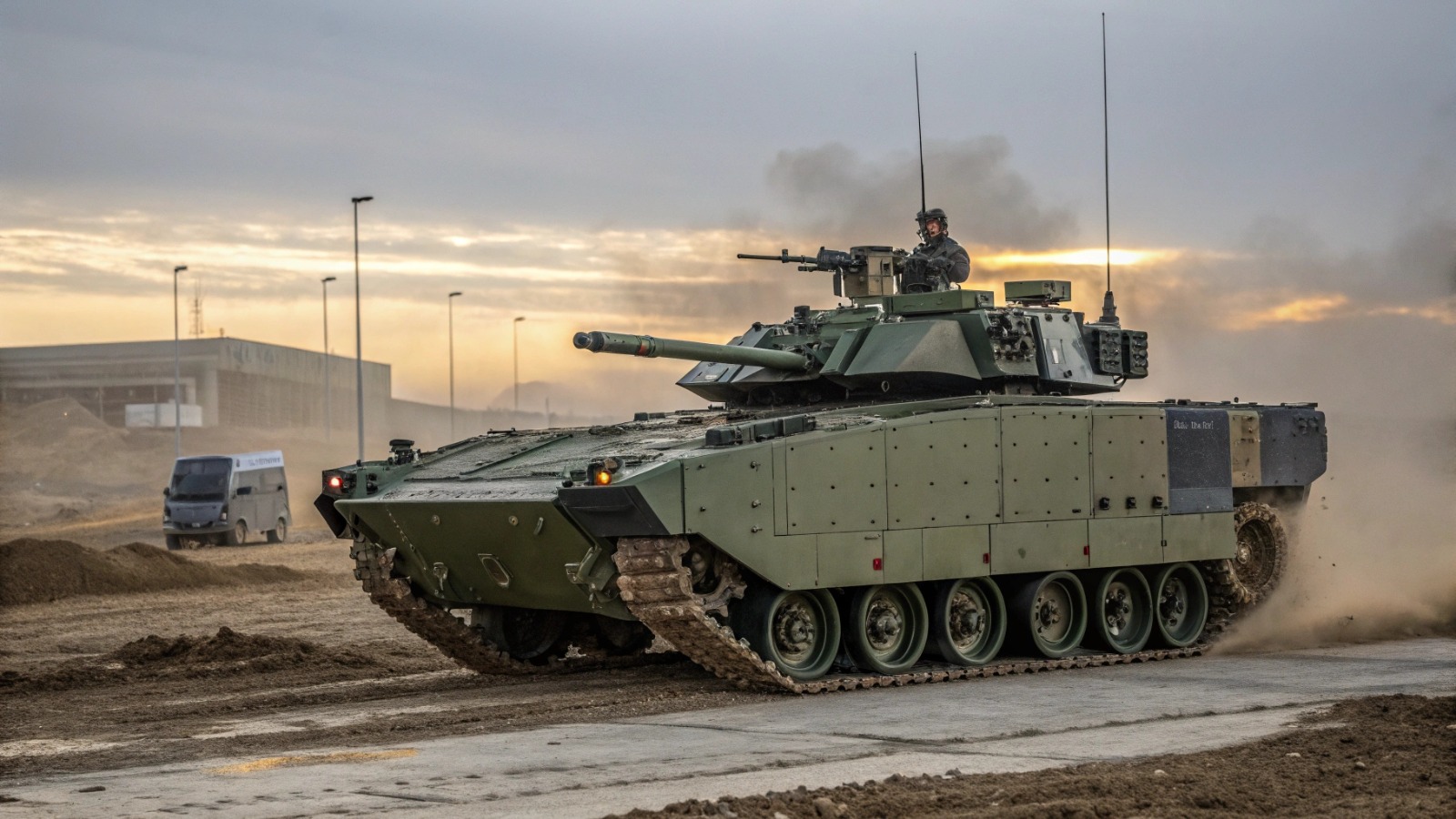
The Leopard tank has long been considered one of the most respected main battle tanks in the world due to its balance of firepower, mobility, and protection. Developed during the Cold War, the Leopard series was designed by West Germany to counter potential armored threats in Europe. The goal was to create a tank that could combine strong combat capability with high mobility and reliability. The first production model, Leopard 1, entered service in 1965. It prioritized mobility and long-range firepower rather than extremely heavy armor. Equipped with the 105 mm L7 gun and a powerful diesel engine, it became widely known for its maneuverability and was exported to several allied countries. The Leopard 2, introduced in 1979, marked a significant advancement in tank design. It featured composite armor, a powerful 120 mm smoothbore gun, and advanced fire control systems. Over time, the platform received numerous upgrades, resulting in variants such as the 2A4, 2A5, 2A6, and the modern 2A7. These upgrades improved protection, targeting systems, and battlefield connectivity. Today, Leopard tanks serve in many countries including Canada, Sweden, Norway, Brazil, and Hungary. Their strong reputation for reliability and adaptability has made them one of the most widely respected armored platforms in modern military service.