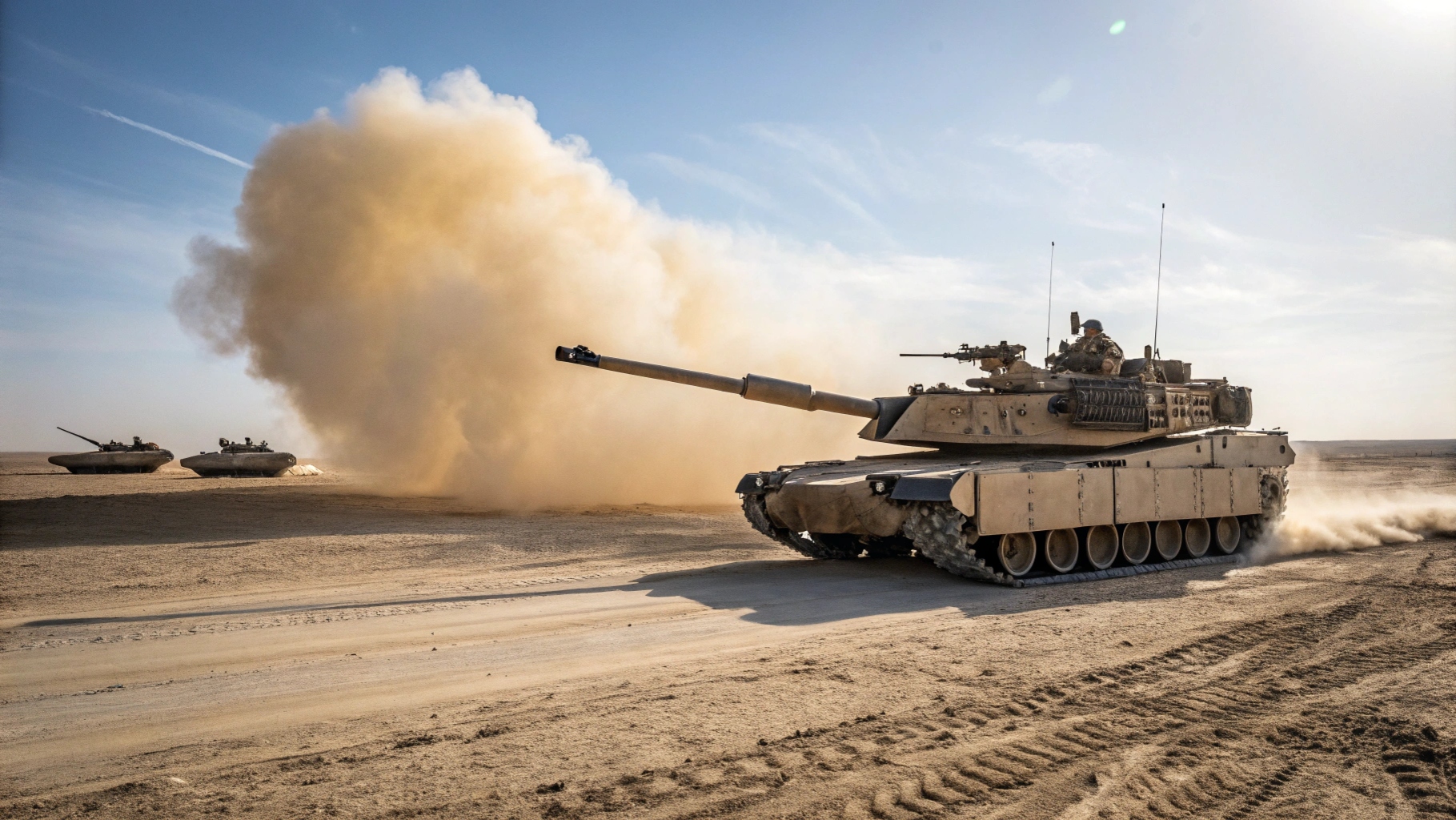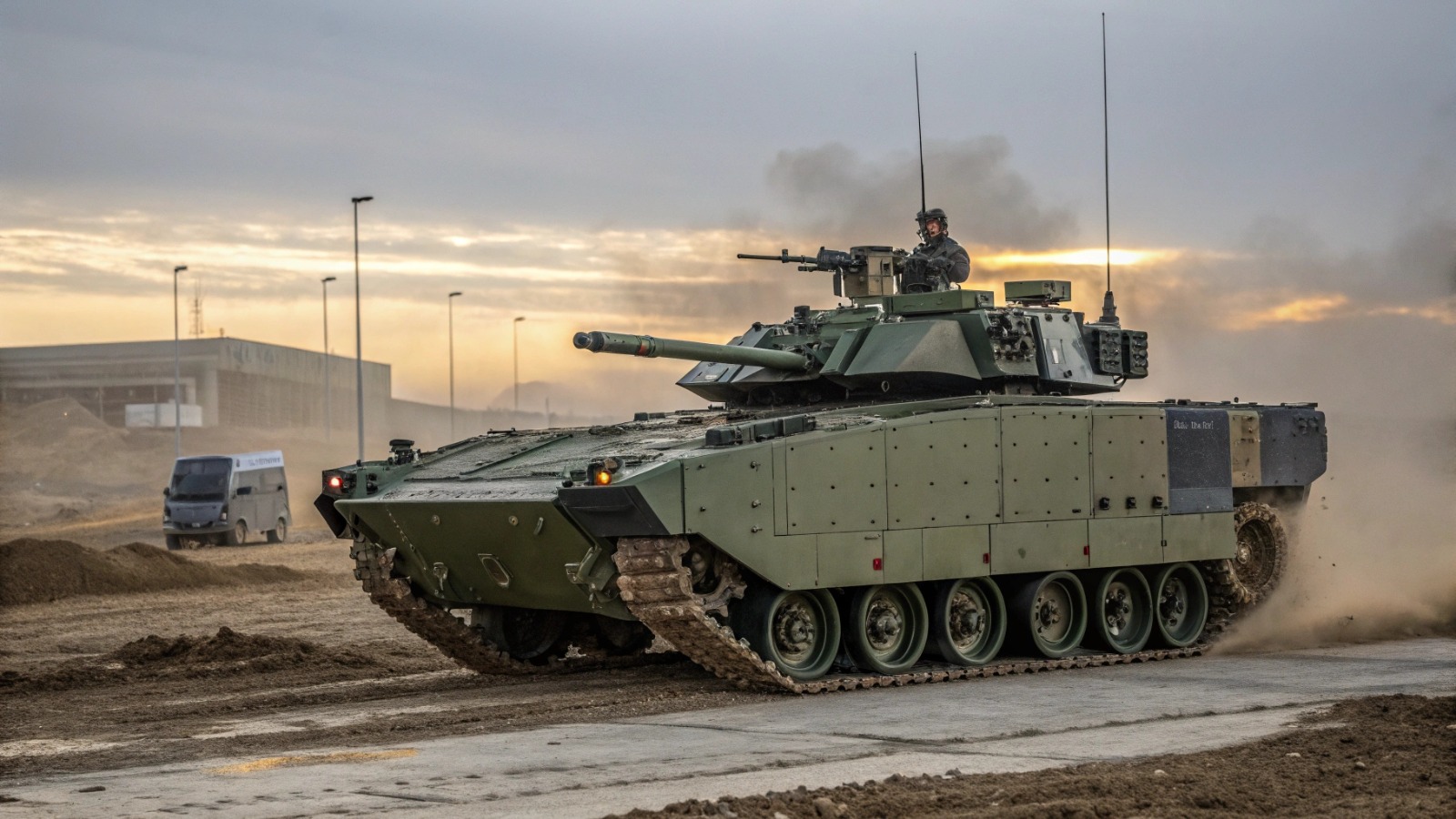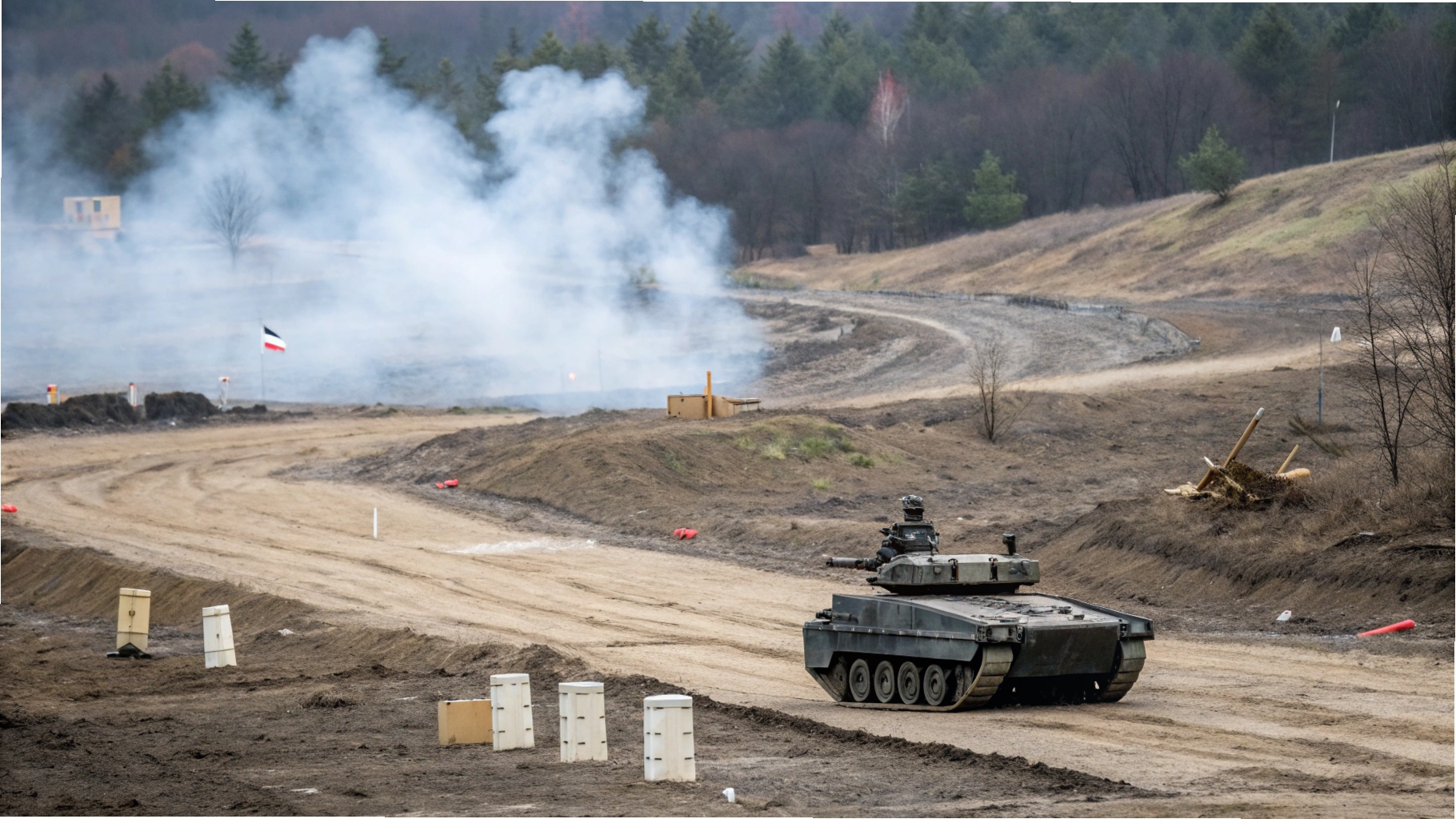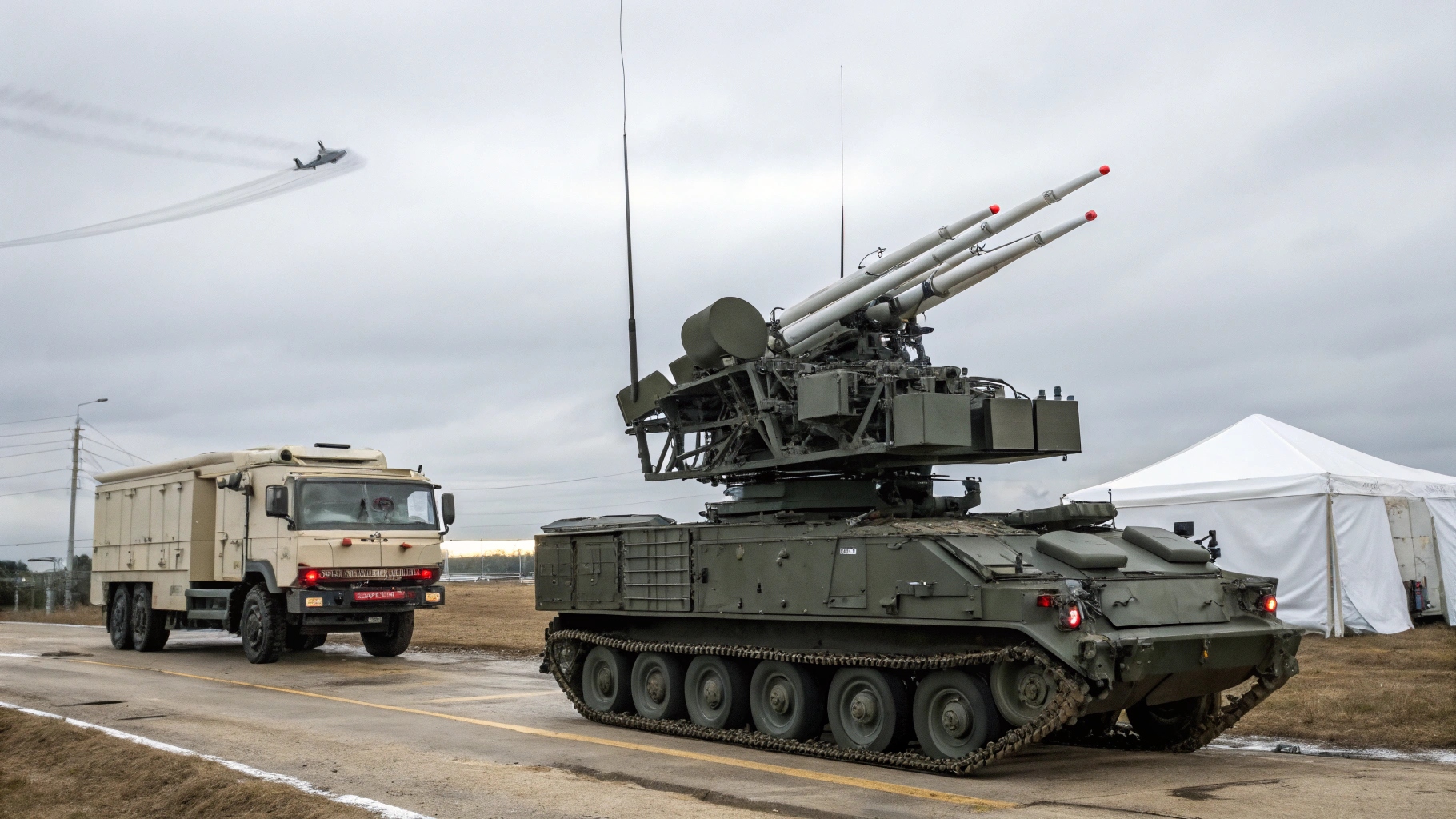
Turkish defense manufacturer ASELSAN has presented the KORKUT 100/25 SB, a newly developed mobile counter-drone system designed to safeguard forces against a broad spectrum of unmanned aerial vehicles. This includes small surveillance quadcopters, commercial-style drones, and more advanced loitering munitions increasingly deployed in modern conflicts. Derived from ASELSAN’s established KORKUT anti-aircraft gun family, the 100/25 SB integrates advanced fire control with mobility and versatility, forming a complete package for countering low-cost aerial threats. One of its defining characteristics is its ability to bridge the capability gap between basic small arms fire and expensive missile-based air defense systems. By offering a scalable and cost-effective solution, the KORKUT 100/25 SB ensures militaries can respond efficiently to the proliferation of drones without incurring unsustainable expenses. Equipped with precision tracking sensors and rapid-firing weaponry, the system can neutralize single targets or drone swarms operating in contested environments. Its deployment is particularly relevant as drone use expands in hybrid warfare, insurgencies, and conventional battlefields alike. ASELSAN highlights the platform’s mobility as a key asset, noting that the system can be deployed on various chassis to accompany maneuvering units or protect fixed installations. Its modular configuration also allows seamless integration with higher-level air defense systems, contributing to a layered and resilient aerial defense network. This adaptability strengthens operational readiness across diverse missions, from base protection to frontline convoy defense. The KORKUT 100/25 SB reflects a broader trend in global defense, where nations are racing to field tailored counter-unmanned aerial solutions. By focusing on affordability, precision, and layered protection, ASELSAN is positioning itself as a leader in this niche. For Turkey, the system enhances national security while bolstering its defense exports, appealing to partners facing the challenge of mass-produced drones on modern battlefields.