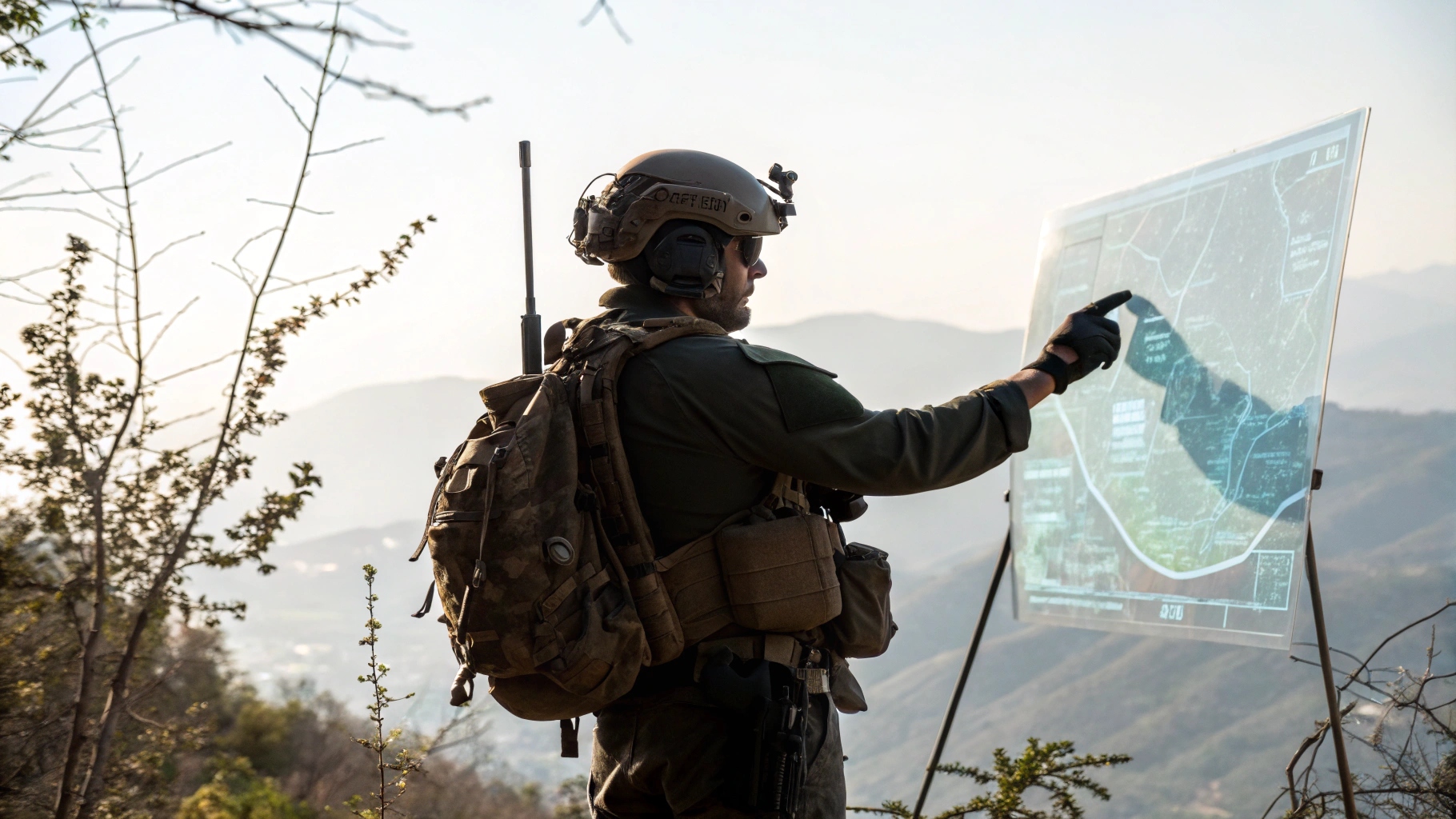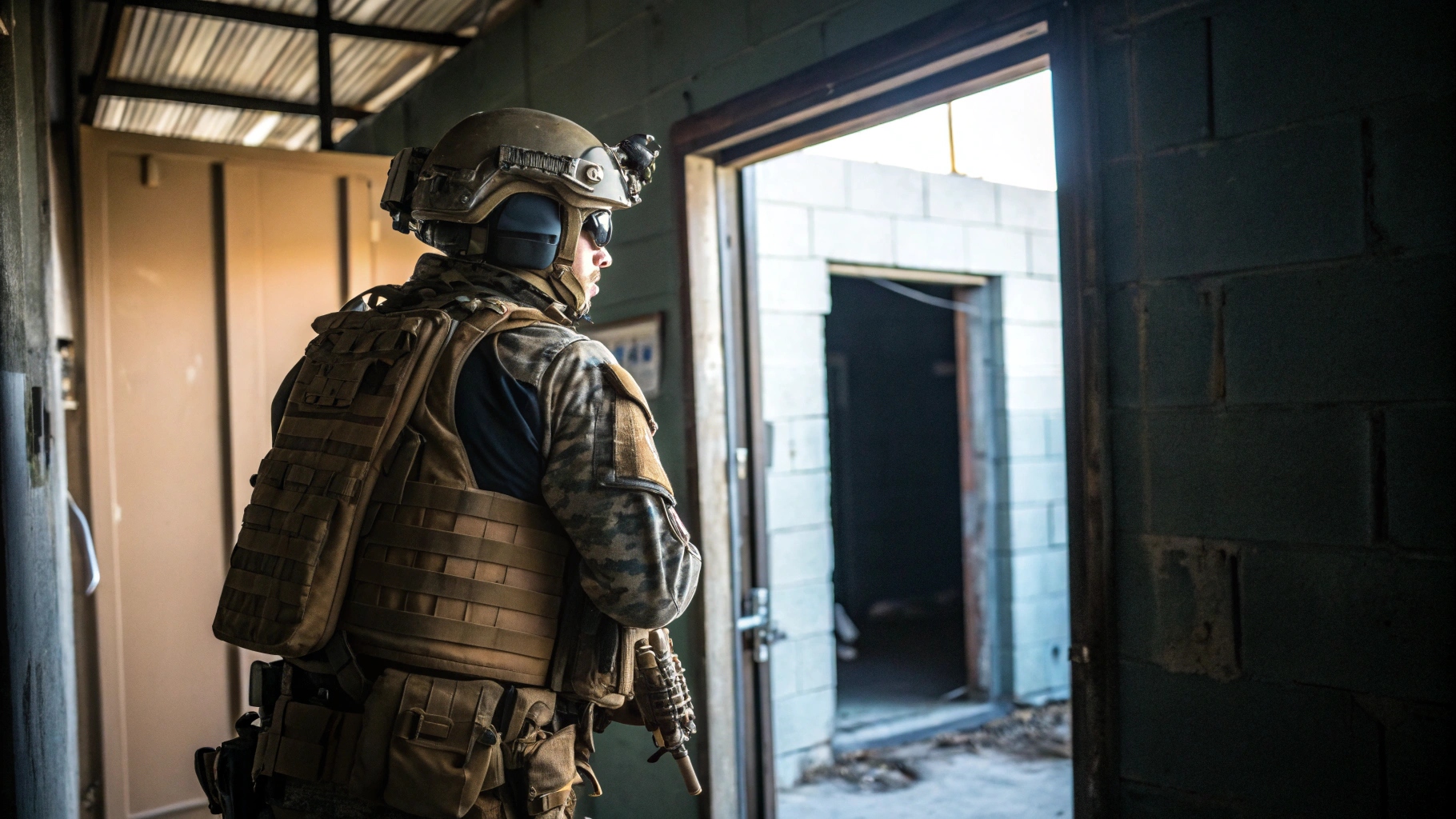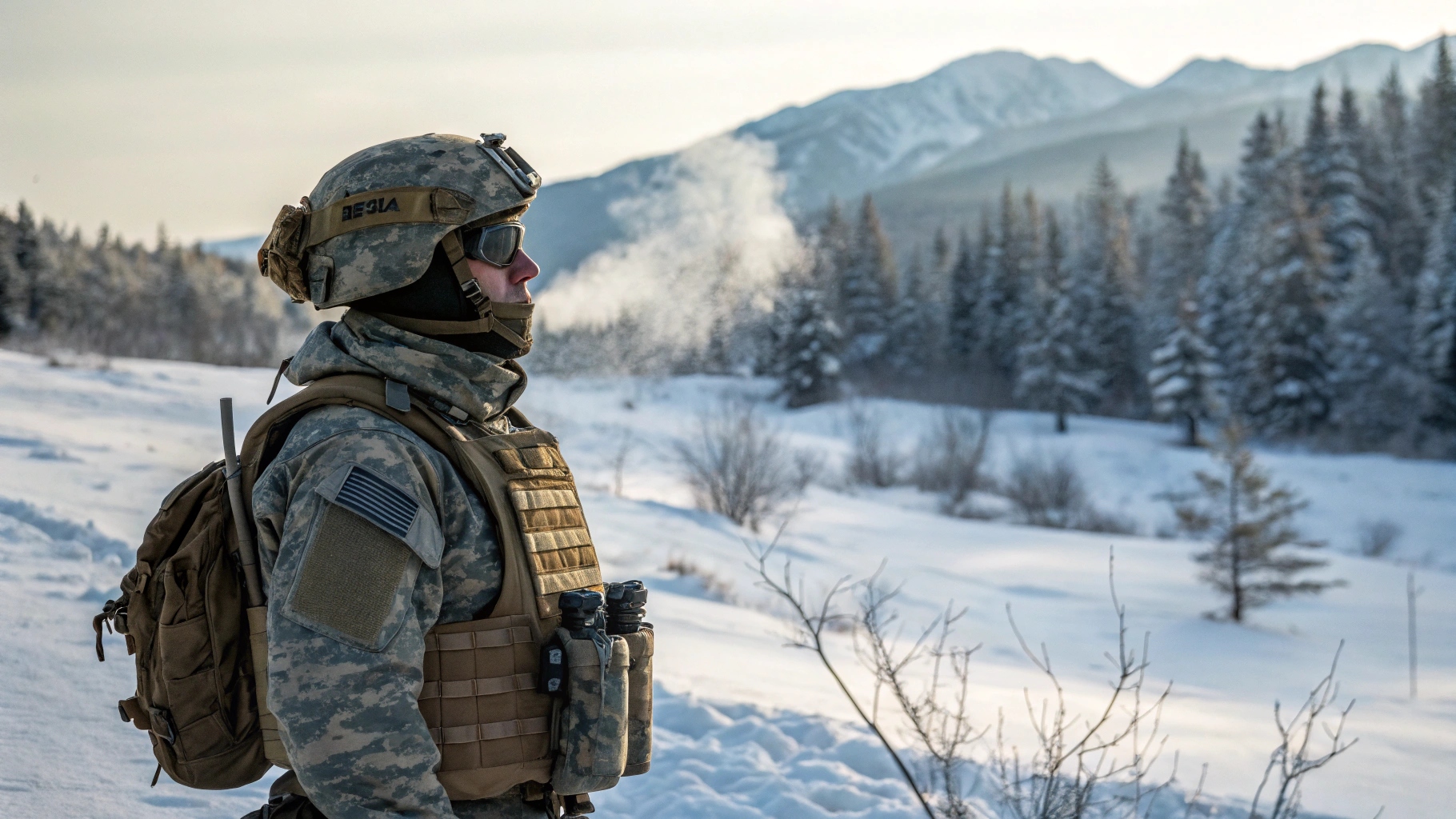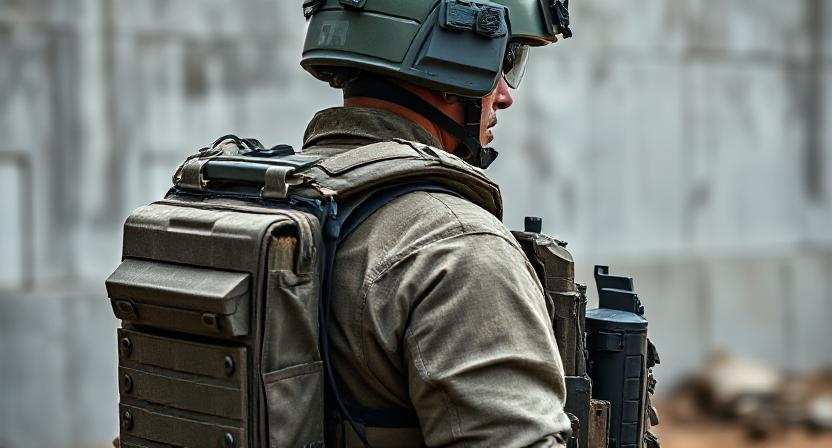
Anduril announced EagleEye, a new modular suite that brings together artificial intelligence, sensor fusion, mission command and survivability features into a single, soldier-worn architecture. The design philosophy is to make the dismounted warfighter both safer and more effective by consolidating mission planning, perception and control of unmanned assets into helmet-native hardware and streamlined software layers. The product builds on Anduril’s existing Soldier Borne Mission Command (SBMC) programs, leveraging mixed-reality interfaces and integrated mission software to provide a coherent battlespace picture at the individual level. EagleEye aims to reduce operator workload while improving decision speed: by fusing data from local sensors and networked assets and presenting processed cues through a heads-up display, the system shortens the cycle from detection to engagement. Modularity allows components to be tailored to mission roles, enabling commanders to scale capability across squads and units without forcing uniform hardware packages on every soldier. The reduced weight and helmet-native approach reflect a focus on ergonomics and integration with existing soldier loads. In practical terms, EagleEye could provide automated threat warnings, curated visual overlays for target prioritization, and simplified controls for directing unmanned systems — all designed to accelerate shared situational awareness and reduce cognitive friction. Anduril positions the suite as a complement to SBMC-A and other program deliveries, extending the company’s human-machine teaming concept into a more compact, deployable format. For forces integrating growing fleets of unmanned sensors and effectors, EagleEye offers a route to unify command and perception at the edge, ensuring the soldier receives timely, actionable information without being overwhelmed.